
With more than 60% of Bali’s GDP derived from tourism, global conflicts and geopolitical tensions are of inherent concern to the island, its economy, and the livelihoods of local people.
With the island set to welcome more than 7.5 million international tourists in 2026, and millions more domestic tourists, the concern running through everyone’s minds, both tourists and tourist business owners alike, is whether the conflict in the Middle East will impact this year’s travel plans.
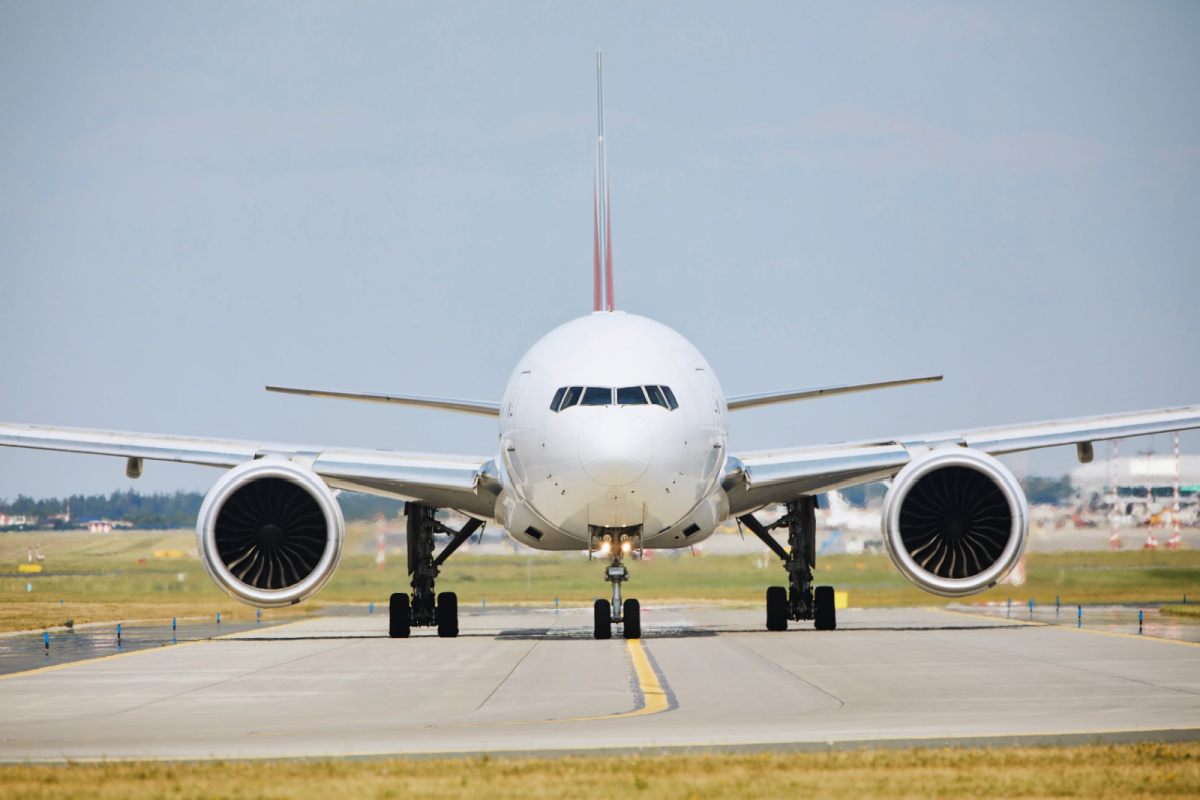
Speaking to reporters from Denpasar, IB Sidharta Putra, Chairman of the Indonesian Hotel and Restaurant Association (PHRI), shared that the impact of the conflict in the Middle East is not only felt by the tourism sector but also by all sectors of the economy. The Indonesian Government has already implemented Work From Home/Anywhere orders for all civil servants and workers in the public sector, where possible.
Similar orders have also been issued to the private sector where possible. Putra highlighted how the potential for an energy crisis could trigger a spike in fuel prices, including aviation fuel. He shared, “If energy supplies are disrupted, oil prices will automatically rise. The impact will not only affect aviation fuel, but also all sectors.”
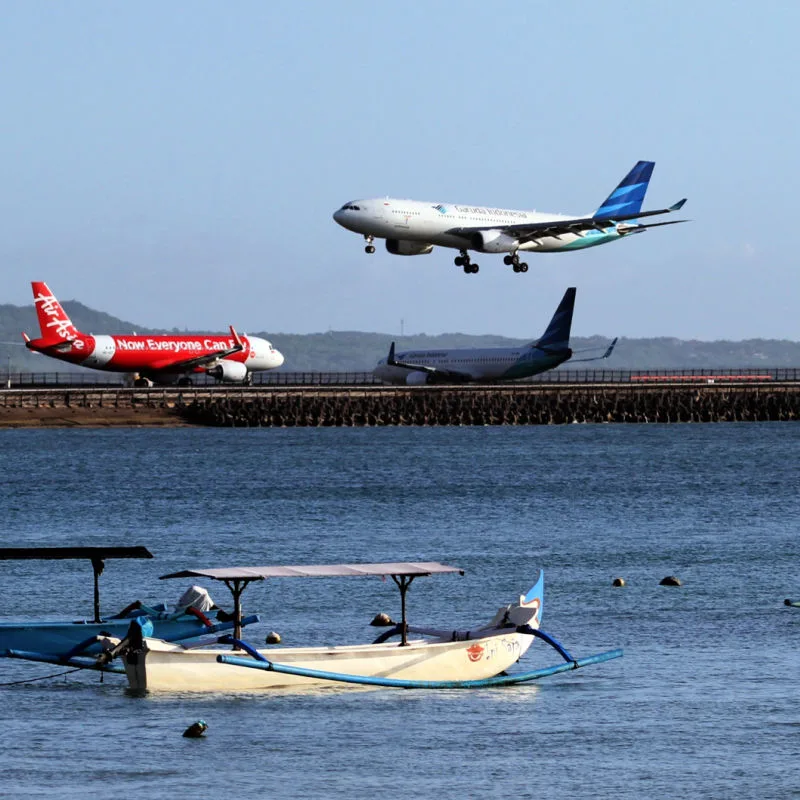
International airlines like KLM Royal Dutch Airlines have already canceled hundreds of flights as of May 2026, and there are concerns that other major airlines may follow suit, impacting international arrivals to Bali and other top destinations in Indonesia. Putra cited how jet fuel prices are also impacting domestic travel, sparking further concerns.
As Bali is a diverse destination in terms of its demographics, there is always a lot of room for the sector to pivot in the event of extreme circumstances. In this instance, however, a pivot towards attracting even more domestic tourists may not be a viable option as domestic airfares are not exempt from fluctuating fuel prices.
Putra highlighted domestic fares as an example. Domestic airfares to Jakarta from Bali, which previously cost around IDR 1.5 million, have jumped to IDR 4.5 million, and even to IDR 5 million in some cases.
This is an issue for both domestic tourism and business travel. Putra shared “Tourism is highly dependent on air transportation. Hotels in Bali rely on airlines that carry tourists. If tickets are expensive, people will reconsider traveling.”
He added “If these conditions continue, we could enter a tourism crisis phase. After the energy crisis, the next impact will definitely be on tourism. This is what we are most concerned about.”
He concluded “All we can do is be efficient and continue to convince people that Bali is worth visiting. But if this continues, it could impact occupancy rates, the workforce, and even business closures.”
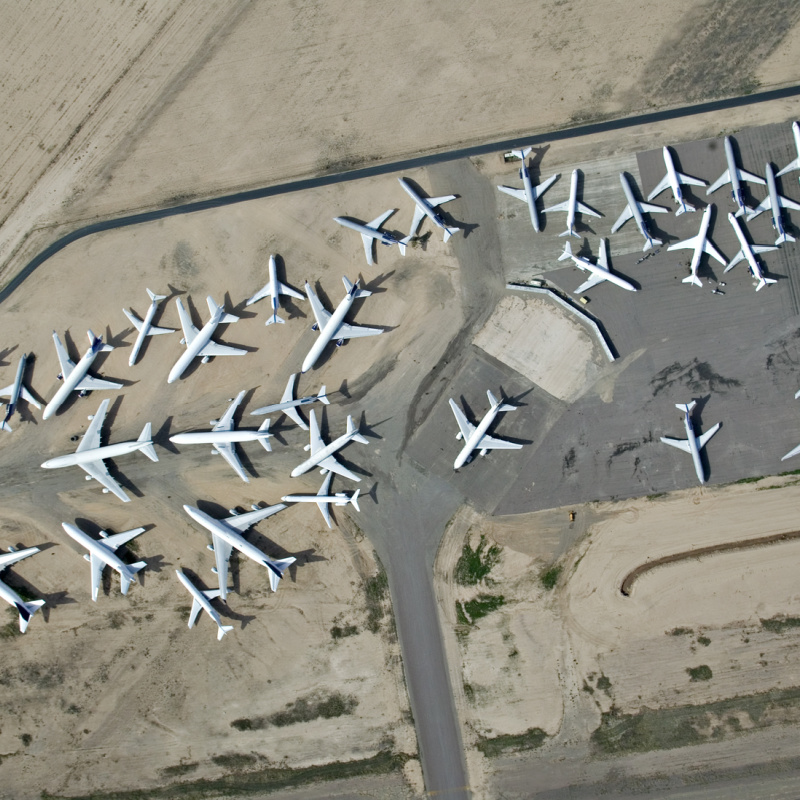
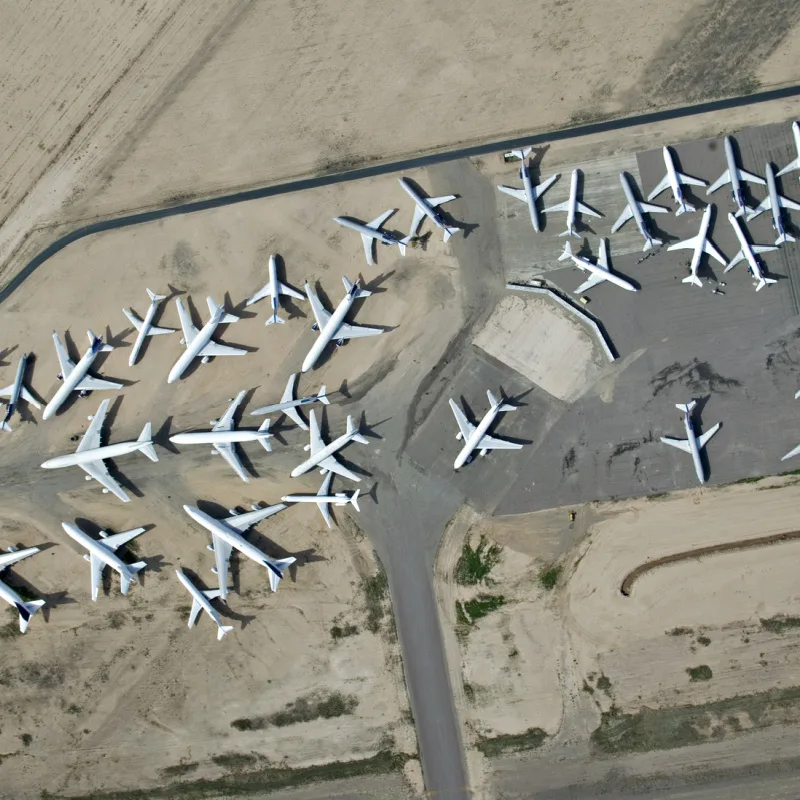
As an association the PHRI has already voiced its hopes that global geopolitical conditions will soon ease, reducing pressure on the energy and transportation sectors and in turn avoiding a potential tourism crisis in Bali.
Compared to other destinations in the region, Bali has favor on its side. The island remains as in demand as ever despite geopolitical tensions impacting tourists’ desire to travel internationally.
This stable and growing demand for travel to the province shows that tourists are prepared to take the risk of booking flights and accommodation and are prepared, at least in the short term, to absorb the potential for rising costs.
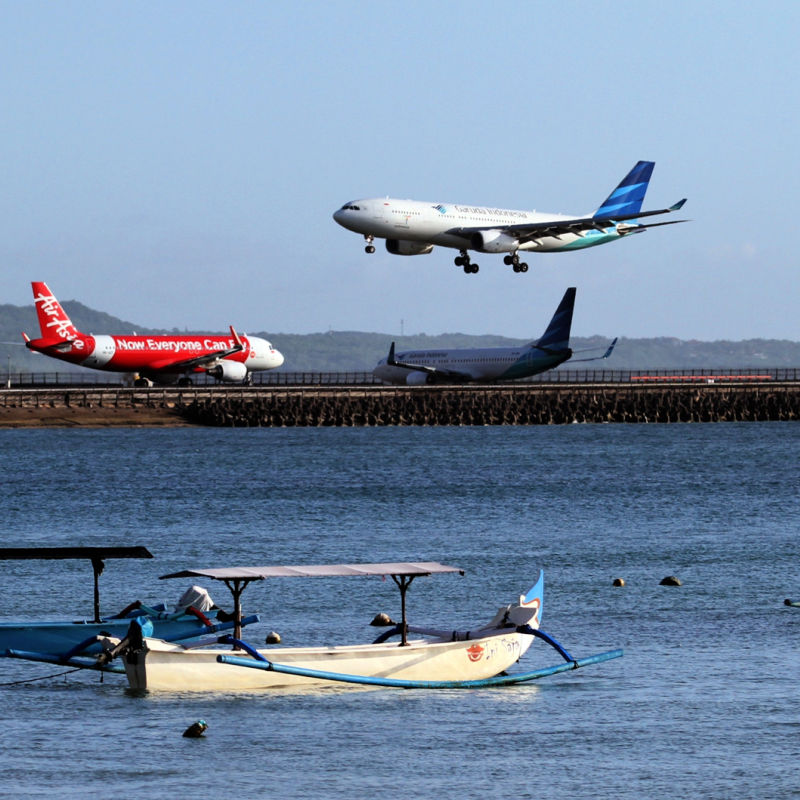
Advisor to the Bali Travel and Tour Agency, Assertion, Ketut Ardhana, told reporters last week that while the wider international picture is of concern, Bali need not worry about a drop in the number of international arrivals, rather focus on attracting more tourists from the most frequently visiting nations.
He shared “The market I’m working on in ASEAN has not experienced any disruptions to date. Both individual and group tourists continue to come. India is also consistent and has the potential to grow even bigger in the future.”

He noted “Japan is actually very good. It used to be busy, but recently it has decreased. Hopefully, it can return to its previous level, especially now that direct flights are available.”
Adding “Financially, Japanese tourists are also not a problem and can afford long-distance travel, while getting to Bali only takes about 6-7 hours.”
For the latest Bali News & Debate Join our Facebook Community
Plan Your Bali Holiday:
Book The Best English Speaking Drivers For Airport Transfers & Tours
Discover more from The Bali Sun
Subscribe to get the latest posts sent to your email.
Karen North
Wednesday 22nd of April 2026
In Australia Qantas and Virgin put up their prices; so people stopped flying. Now the planes are empty so now they are having cheap $99 flights to fill the seats.🙃
WAYAN BO
Thursday 23rd of April 2026
@Karen North, stopping flying also because of security controls. In 1970‘s and 1980‘s there wasn’t security controls on airports and everything was OK.
WAYAN BO
Wednesday 22nd of April 2026
Some experts predict the biggest energy crises ever.
Exp
Wednesday 22nd of April 2026
Finally some good news.