
With Bali’s Natural Resources Conservation Agency (BKSDA) instructing the end of elephant riding at tourism attractions on the island, there are hopes that the tide is starting to turn on unethical wildlife tourism in the region.
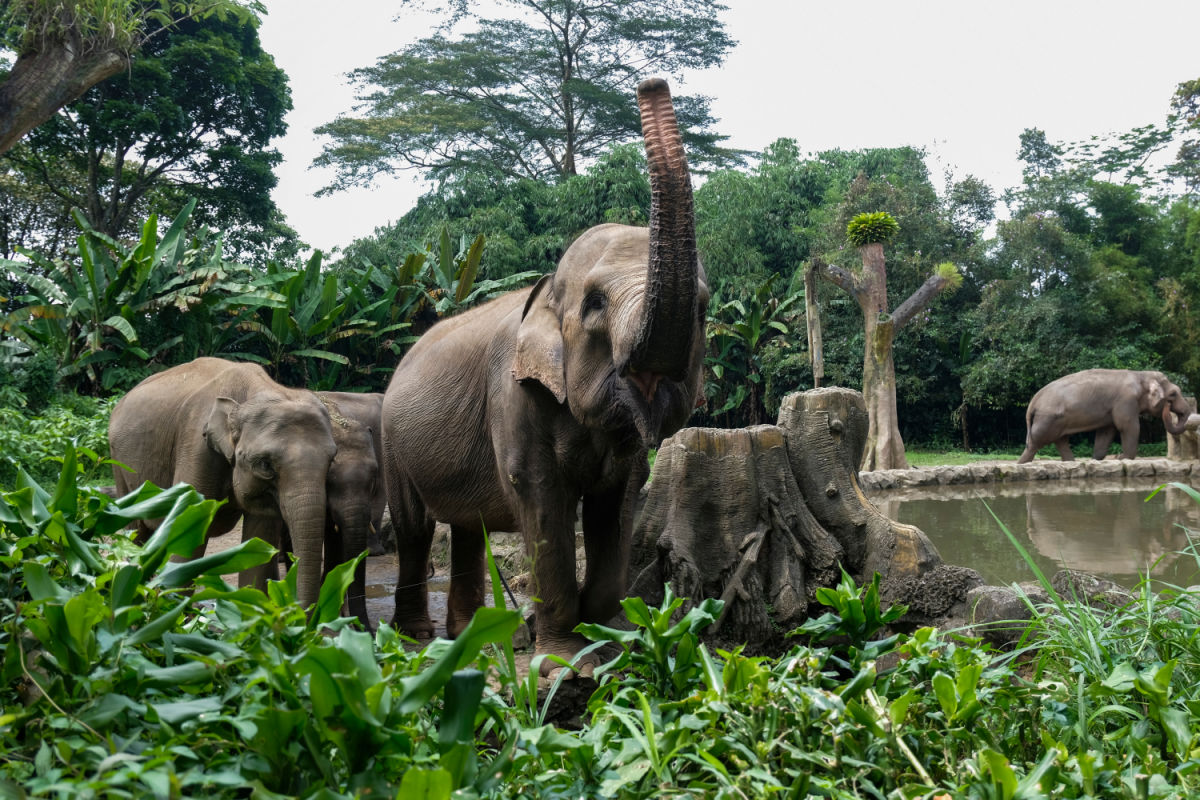
As of the 1st January 2026, Bali Zoo ceased to offer elephant rides for tourists, though the official announcement wasn’t made until 14th January, where the attraction explained, “A step forward for elephant welfare. Effective 1 January 2026, Bali Zoo has discontinued elephant riding.”
“This decision supports our ongoing commitment to animal welfare, giving our elephants more time for natural behaviours, social interaction, and enrichment. Thank you for respecting this update.”
Speaking to reporters, the Chairperson of the Indonesian Recreational Park Business Association (PUTRI) Bali, Inda Trimafo Yudha, said that although the policy is still currently an advisory letter through a circular, the government’s policy is directed at changing the pattern of tourism based on conservation and education.
This is why there is no formal ban on elephant riding in Bali; facilities are opting to move away from the model given the updated advice. There are hopes, however, that in the long run, this advisory is a move towards more ethical wildlife tourism practices across Bali and around Indonesia.
Yudha shared ”If there is an advisory from the government, especially from the BKSDA which is under the Ministry of Forestry, of course the hope is that the advisory, whatever form it takes, will be implemented and conservation institutions will cooperate with the policy until a decision letter is issued with applicable consequences, because we are indeed under the guidance and supervision of the BKSDA.”
Yudha explained hopes that the new advice will promote more sustainable, conservation-based, and educational tourism to the mass market. Currently, sustainable tourism and eco-tourism more broadly are conserved as a tourism niche, rather than the industry standard, despite longstanding efforts to move the needle.
Yudha told reporters, “Going forward, it’s up to conservation institutions to package activities that are educational, provide safe interactions, and continue to provide experiences for tourists without exploiting the animals.”
Ethical Tourism Update
A major shift for wildlife tourism in Bali. Tap to see the changes.
Rides Discontinued
Effective Jan 1, 2026
Tap for Details ↻Bali Zoo Policy
The Change: Elephant riding has officially stopped.
The Goal: To allow elephants more time for natural behavior, social interaction, and enrichment.
Why Now?
BKSDA Instruction
Tap for Context ↻Government Advisory
The Push: The Natural Resources Conservation Agency (BKSDA) is advising all attractions to end riding.
The Future: A shift toward educational and conservation-based tourism.
Ethical Tourism
The New Standard
Tap for Outlook ↻Conservation First
New Model: Facilities are moving to “observation-only” or safe interaction models.
Impact: Better welfare for animals and a more authentic experience for tourists.
What to Expect
Your Visit
Tap for Tips ↻New Experiences
Activities: Look for educational programs and “meet the elephant” moments that don’t involve riding.
Support: Visiting ethical venues ensures they can afford to care for the animals.
She warned, however, that the move away from elephant riding could cause facilities to lose out on revenue, which would potentially compromise elephant welfare. She noted that “We must not let this policy create new problems, regarding who will care for the animals if the conservation institution is no longer able.”
However, ethical elephant tourism models have proven to be profitable in other parts of Asia, and if packaged and marketed effectively, tourists are proving to be more than happy to book elephant experiences that prioritise welfare.
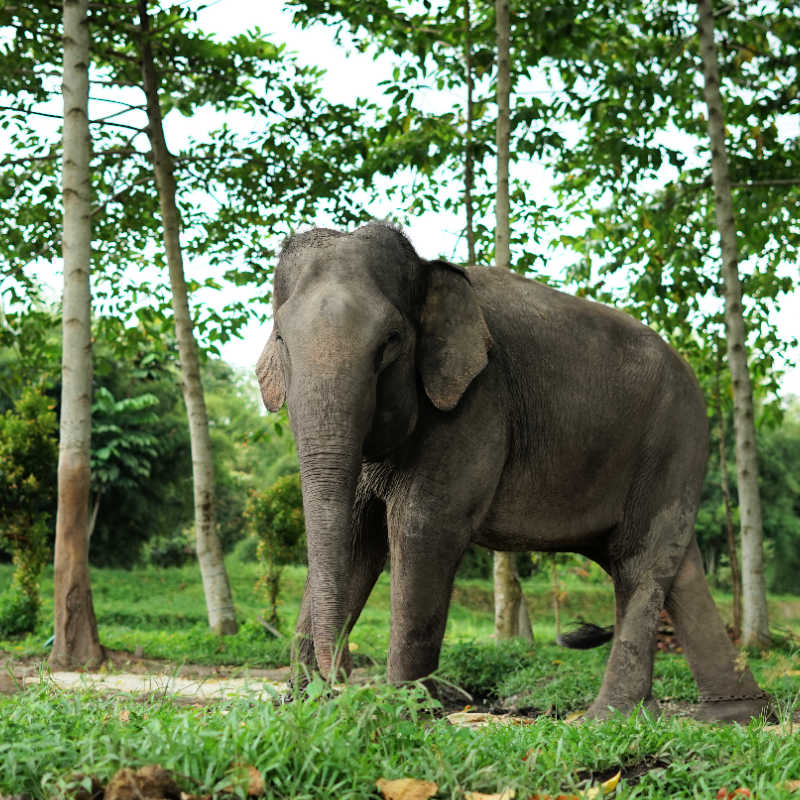
Speaking to reporters, Head of Public Relations at Bali Zoo, Emma Chandra, stated that the decision to end the elephant riding tourism program was carried out to ensure the physical and psychological well-being of the elephants in the zoo’s care.
Chandra explained that the current approach must focus on creating an environment that enables and encourages the natural behavior of animals, and not be based on their ability to serve as a tourist attraction.
She noted, “Animal welfare is our top priority. By stopping elephant riding, Bali Zoo wants to create a more suitable environment for elephants while improving standards of care and management.”
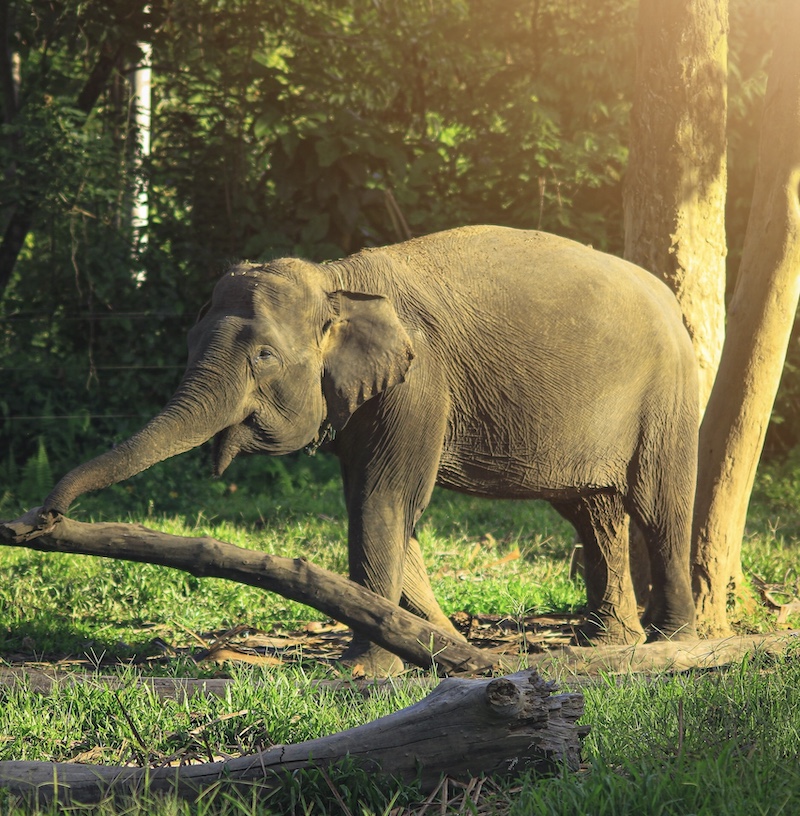
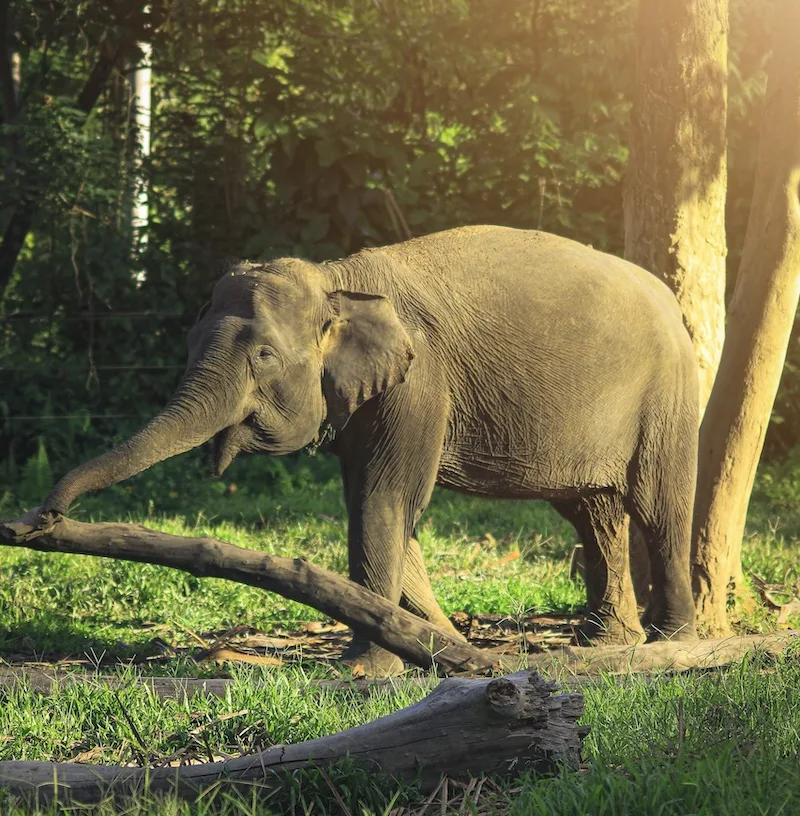
The Head of the Bali Natural Resources Conservation Agency (BKSDA), Ratna Hendratmoko, stands by the decision.
He told reporters “We are committed to ensuring that every elephant in conservation institutions receives the best possible care in accordance with animal welfare ethics.”
“We also encourage conservation institutions to develop other themes and develop a roadmap for transforming innovative and educational elephant tourism that aligns with conservation and animal welfare principles.”
For the latest Bali News & Debate Join our Facebook Community
Plan Your Bali Holiday:
Book The Best English Speaking Drivers For Airport Transfers & Tours
Discover more from The Bali Sun
Subscribe to get the latest posts sent to your email.
Shorty
Thursday 22nd of January 2026
..tourist.
Shorty
Thursday 22nd of January 2026
Stopping elephant rides will not attact one more touri
James A Van Driessche
Wednesday 21st of January 2026
I think Bali should focus more on traffic and cleaning up its beaches. When I asked a member of the Karen Tribe, known for caring for elephants, about riding elephants. He had a lot to say about that. For one, he said that if it were harmful for a person to ride an elephant, then it would be impossible for them to mate, because the male elephant can weigh as much a 6000 pounds. Then why don't people say we shouldn't ride a horse or camel? That doesn't make sense. People have been using animals for years to do work, not abuse them; that's a different matter.
Shorty
Friday 23rd of January 2026
@James A Van Dries
Logically written.