
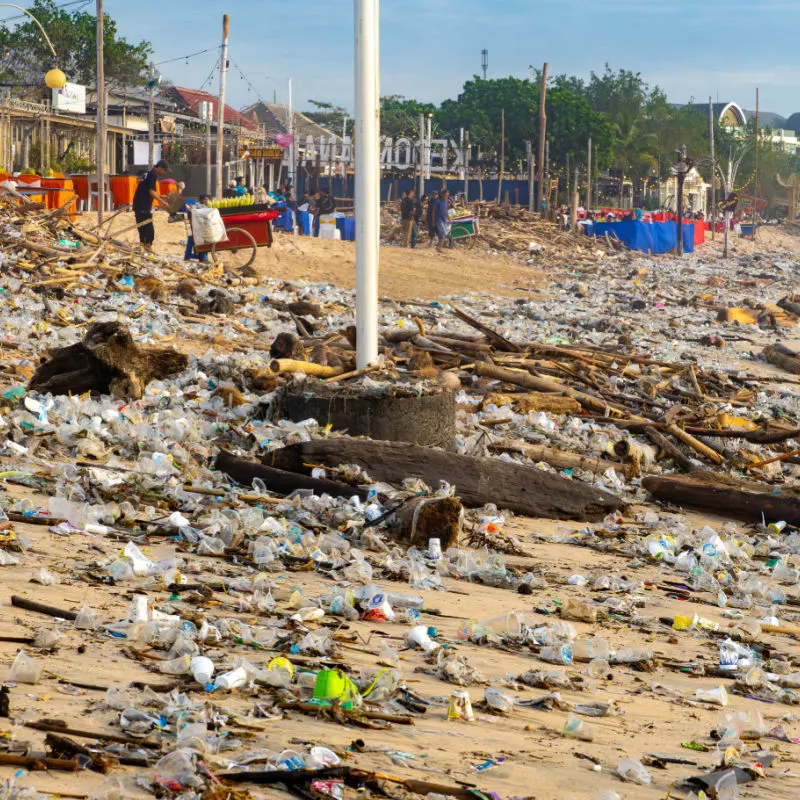
A tide of plastic trash has washed up on Bali’s Pantai Jerman. The popular beach, nestled between Kuta and Jimbaran, is typically one of the worst-affected beaches when the annual tides of waste start washing up.
Here at The Bali Sun, we will be reporting on these tides of trash as they arrive to help tourists make informed decisions about where they want to spend their precious vacation days.
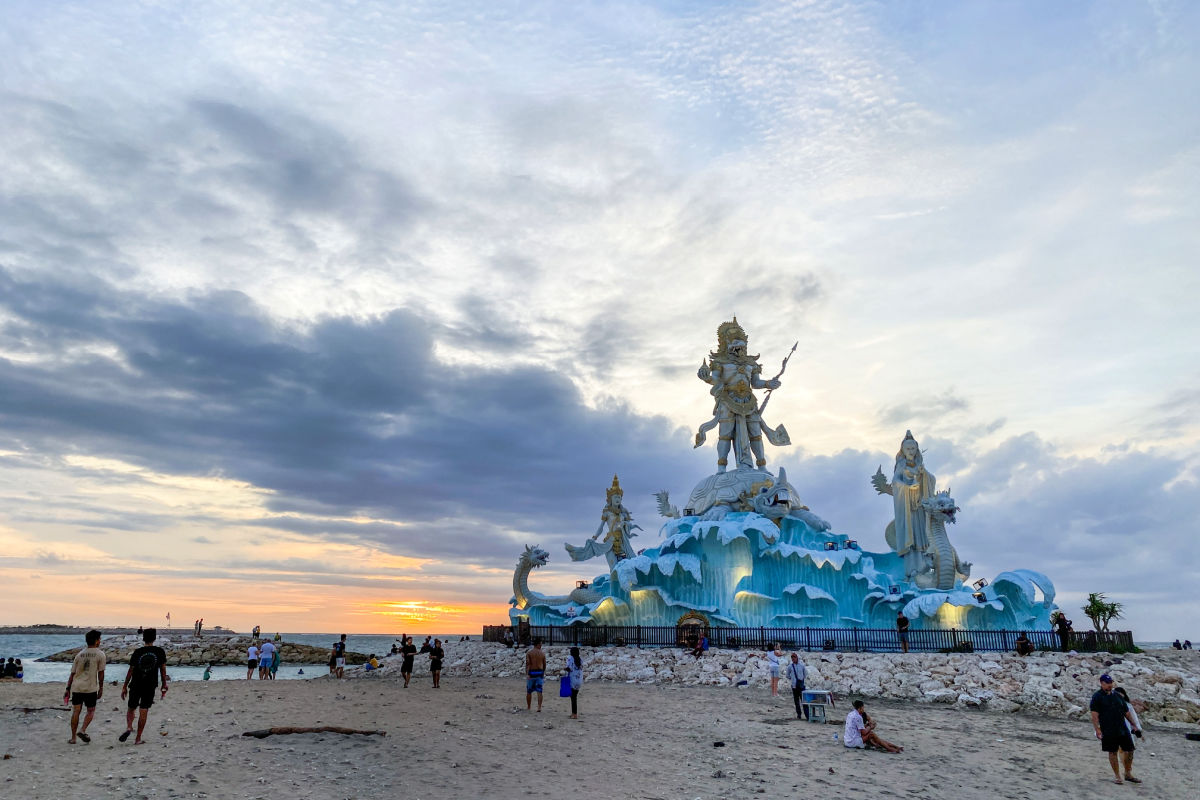
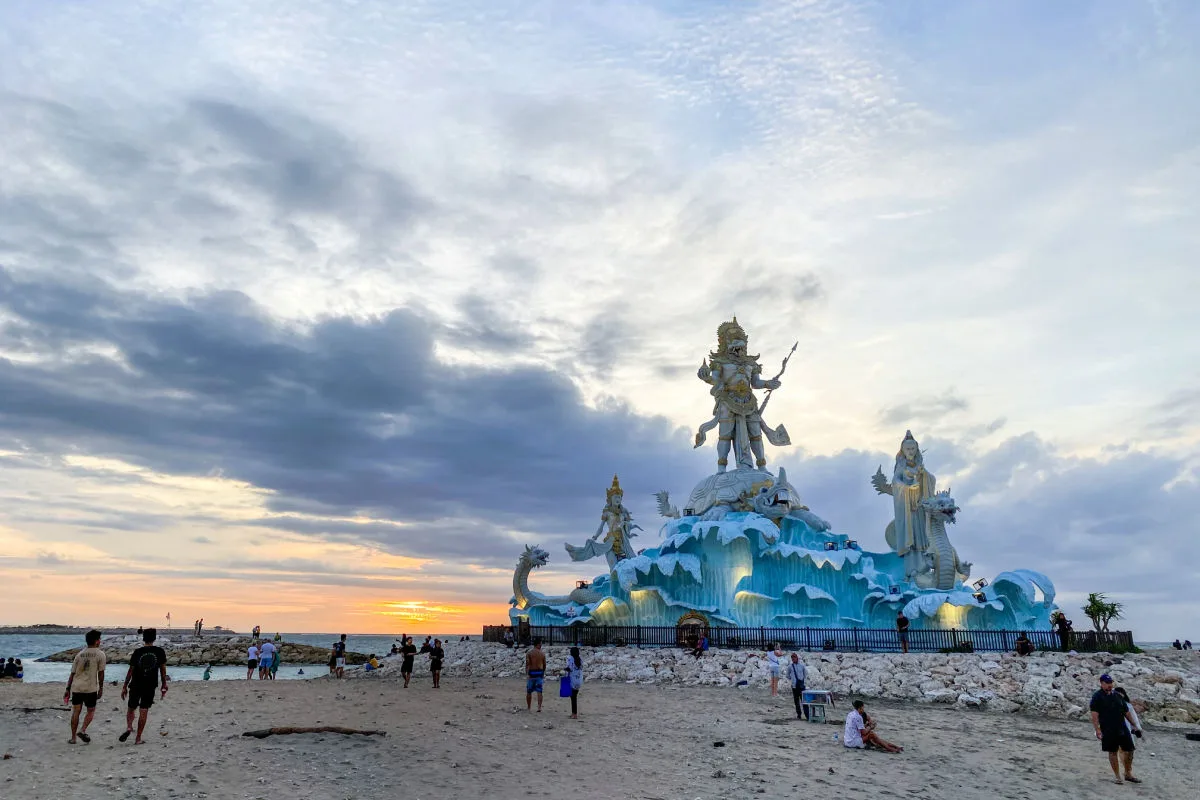
Pantai Jerman, or German Beach, saw over 7 tonnes of waste wash up overnight on Monday, 22nd December. Local residents awoke to find the shoreline strewn with piles of driftwood and plastic waste.
The local community, along with the beach management team, quickly rallied on Monday morning to clear as much of the waste as possible, making the beach ready for holidaymakers. Pantai Jerman is a beach popular with both domestic and international tourists, especially those with young families.
Typically, the annual tides of waste start appearing on Bali’s beaches around mid-December, but this year the waves of waste started arriving in late-November.
Typically, the worst-affected areas are Jimbaran Beach, Kedonganan Beach, Pantai Jerman, and then Samigita Beach, which is the local name for the stretch of coastline that runs from Kuta through to the end of Seminyak.
This area is the worst affected because of the way tidal currents flow. Occasionally, tides of trash also wash up in Uluwatu and as far east as Canggu.
Speaking to reporters, Pantai Jerman Management Chairman I Ketut Werka explained, “The waste is dominated by wood, with the rest being plastic. Today alone, the volume collected is estimated to reach 7 to 10 tons.”
He explained that the waste is being collected into large piles, and that Pantai Jerman teams are awaiting further information from Badung Environment and Forestry Agency regarding its disposal location. Werka shared, “We hope for government attention, especially amidst the Suwung Landfill closure policy, as the volume of waste being sent is extremely large.”
Speaking separately, the Kuta Village Chief, Anak Agung Ngurah Andika Jaya, expressed his appreciation for the enthusiasm of the residents involved in the community service. In Indonesia, this kind of community effort is referred to as Gotong Royong.
He said this spirit of togetherness reflects a growing awareness within the community of the importance of maintaining the village’s reputation as a tourism destination.
Bali Beach Trash Alert
The annual “trash season” has hit the West Coast. Here is the current status and where to find clean beaches. Tap to reveal.
Pantai Jerman: Over 7 tonnes of plastic and driftwood washed up overnight on Monday. Community teams are clearing it rapidly.
Trend: Waves of waste began in late November and typically continue through March/April.
The “Red” Zone: Due to tidal currents, the following beaches are most affected:
- Jimbaran & Kedonganan
- Pantai Jerman
- Kuta, Legian & Seminyak (Samigita)
- Occasionally Uluwatu & Canggu
Go East or North: These areas are seldom affected by the trash tides:
- Candidasa (East)
- Amed (East)
- Lovina (North)
- Nusa Penida, Lembongan & Ceningan
Early Birds: Government and community teams (Gotong Royong) work from the early hours. Beaches are often cleared by late morning.
Force: Over 1,800 personnel and heavy loaders are on standby.

 Powered by The Bali Sun
Last Thursday, Kedonganan Beach was hit by the worst wave of waste of the season so far. Kedonganan and neighbouring Jimbaran are busy local fishing villages, and both beaches are often characterised by the colourful traditional jukung fishing boats that are moored along the shoreline.
Teams of government agency staff, local community members, and NGO teams came together to clean the beach up as quickly as possible.
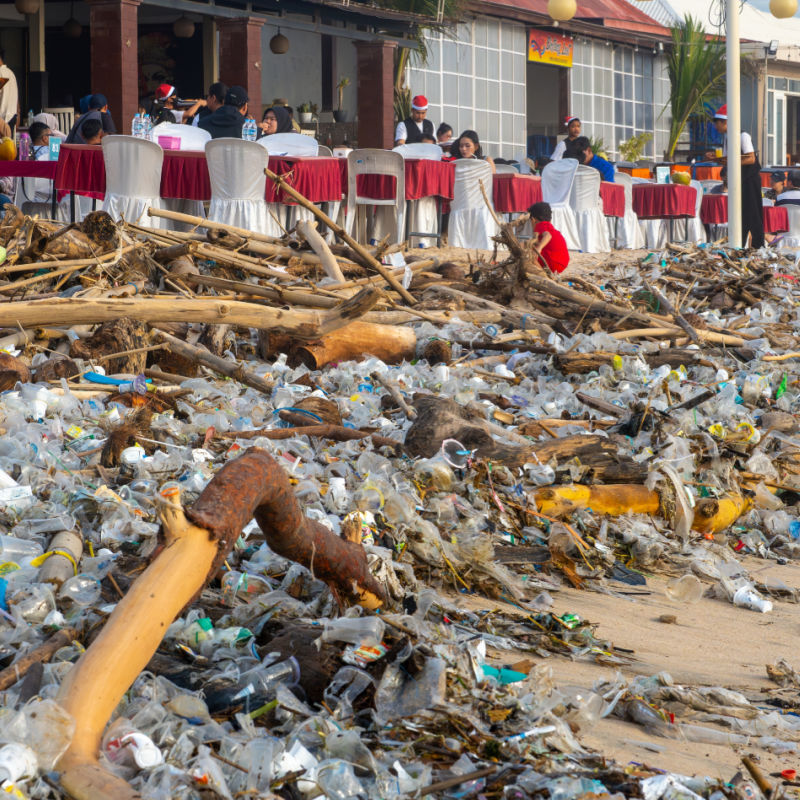
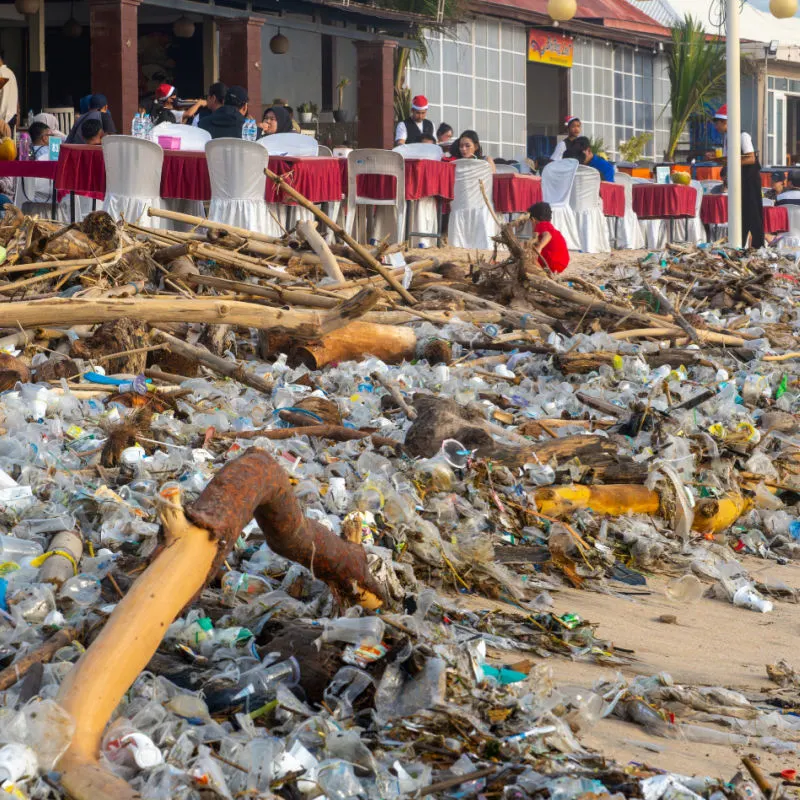
Since this is an annual phenomenon, the Cleanliness and Hazardous Waste Management Division of Badung Regency has a series of teams on standby throughout the region’s coastline, ready to respond to tides of trash as quickly as possible.
Speaking to reporters, Anak Agung Gede Dalem confirmed that these teams will remain on standby throughout the rainy season, which typically runs until late March or early April. Dalem confirmed that there are 6 loaders, 2 beach cleaner units, 2 diggers, and 5 trucks on standby every day. This is in addition to 41 trash trucks that can be deployed if the volume of garbage increases.
He explained, “DLHK Badung stated that it is ready to deploy 300 cleaning personnel, while the Indonesian National Armed Forces (TNI) is ready to deploy 1,500 personnel to assist in handling if there is a surge in garbage shipments.”

Tourists traveling to Bali this rainy season may encounter beaches affected by the tides of trash. However, tourists can rest assured that teams work from the very early hours of the morning to have the coastlines clear by the time tourists arrive at the beach in the late morning.
Tourists who don’t want to risk encountering waves of waste in Badung Regency but still want to enjoy a beach vacation should look to areas further east and to the north of the island, such as Candidasa, Amed, and Lovina. Alternatively, Nusa Pendia, Nusa Lembongan, and Nusa Ceningan are seldom affected by these tidal patterns.
Remove All Ads & Unlock All Articles… Sign up for The Bali Sun Premium


Plan Your Bali Holiday:
Book The Best English Speaking Drivers For Airport Transfers & Tours
Choose From Thousands of Bali Hotels, Resorts, and Hostels with Free Cancellation On Most Properties
Book Cheap Flights To Bali
Don’t Forget Travel Insurance That Covers Medical Expenses In Bali
For the latest Bali News & Debate Join our Facebook Community
SUBSCRIBE TO NEW POSTS
Enter your email address to subscribe to The Bali Sun’s latest breaking news, straight to your inbox.
Discover more from The Bali Sun
Subscribe to get the latest posts sent to your email.
Martin
Thursday 25th of December 2025
I sincerely wish I never had to visit Bali again, but my partner is Indonesian and runs a small business there I wouldn’t even transit that chaos
Basil Gouge
Tuesday 23rd of December 2025
The Bali leadership is sleep walking into a very dire situation that will take decades to correct, mass uncontrolled waste disposal which will directly impact tourist numbers and in doing so see job losses across all areas.
WAYAN BO
Tuesday 23rd of December 2025
Pantai Jerman should be renamed to avoid trash in the future 🤣
Exp
Monday 22nd of December 2025
Suwung landfill was to close tomorrow. Today news is that closure is postponed (again) until 28 Feb 2026. According to Koster this was "Good news".
There is a lot of talk about waste to energy and incinerators. The only plan I have seen so far is to install some rather small ovens; basically just to burn the trash! Burning trash is illegal for residents (6m jail or 50 juta fine) but apparently allowed by gov?