
Traffic in Bali… where do we start? For seasoned travelers, you are already all too familiar with the traffic congestion issues on the Island of the Gods.
For those who are set to be visiting for the first time, you should probably brace for traffic congestion. All hope is not lost yet, though; there are solutions on the horizon.

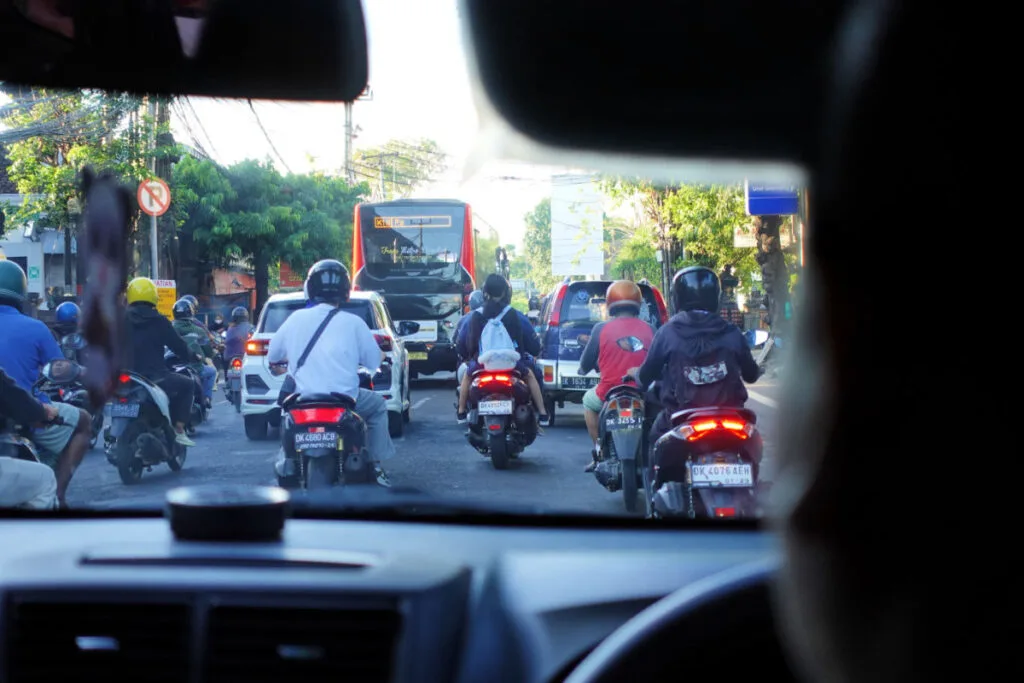
For many of us, traffic congestion in Bali’s leading tourist resort areas, especially in the south of the island, has become something of a norm. It’s almost background noise, a well-adjusted-to inconvenience at this point.
It is, however, an inconvenience and one that is posing an issue to local people’s quality of life, tourists’ experience, business, and the environment.
The Badung Regency Government, alongside the Bali Provincial Government, is working to create solutions that will keep Bali moving long-term, not just cut the traffic overnight.
This week, the Badung Regency Government has confirmed its continued commitment to addressing traffic congestion issues, particularly in tourism areas such as Canggu and Tibubeneng, by developing road infrastructure.
The local government will construct a series of new roads, underpasses, shortcuts, and public transport infrastructure to help combat the issue. One solution is a new road that will connect the Canggu-Berawa-Banjar Umalas-Seminyak-Kedampang areas to West Teuku Umar, running for 4.7 kilometers.
Speaking to reporters, Badung Regent I Wayan Adi Arnawa shared, “This is being done because traffic congestion, especially in the Canggu and Tibubeneng areas, can hinder mobility, which can reduce tourist comfort and damage the destination’s competitiveness.”
He added, “For the initial phase, which will begin in 2026, we hope to complete this 4.7-kilometer section by the end of December. This infrastructure is expected to optimally distribute traffic flow and reduce traffic congestion in Canggu and Tibubeneng.”
Regent Adi Arnawa revealed that the Badung Regency Government is also projecting the construction of a shortcut from the West Gatot Subroto area of Denpasar City in the 2027–2028 budget year as a long-term measure.
This is a project that has been on the cards for some time, so it is good to hear an update from the local government. This project in particular is set to help reroute much of the freight traffic away from the residential and tourism areas of Canggu.
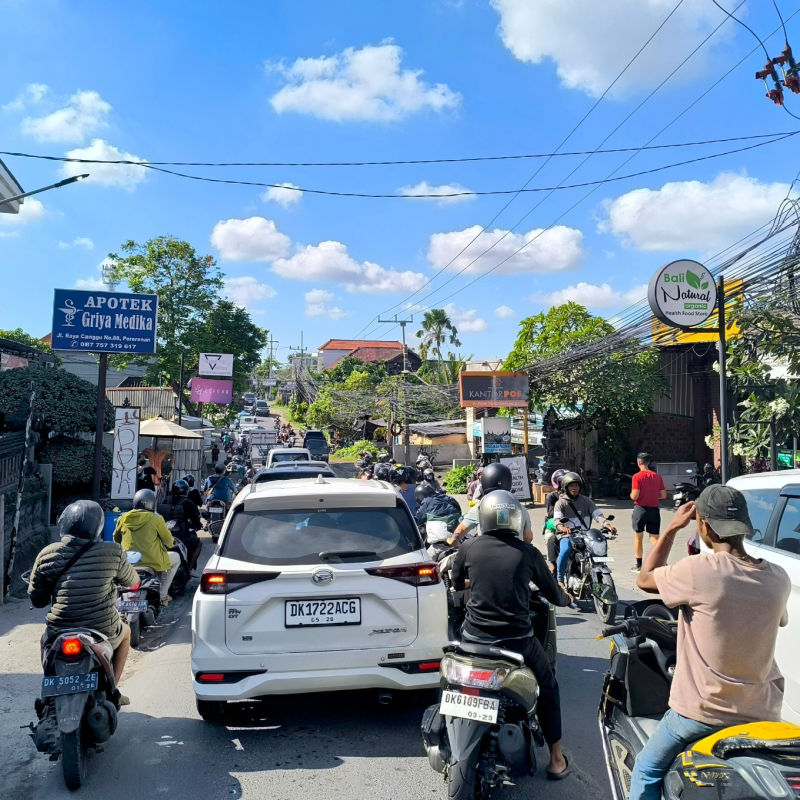
Regent Arnawa explained, “We must not let highly sought-after destinations face saturation due to mobility issues. The strength of Bali’s tourism lies not only in its facilities and natural beauty, but also in the community’s ability to preserve and develop its cultural identity.”
This is not the only traffic congestion solution that the local government has been working on of late. The South Bali Ring Road is now under construction, and just last week the Badung Regency Government announced plans to develop new public transport networks in the region, including a new tram line that will connect Kuta with Canggu.
The Badung Regency Government oversees the majority of Bali’s biggest tourism destinations, including Kuta, Legian, Seminyak, Canggu, Uluwatu and Nusa Dua.
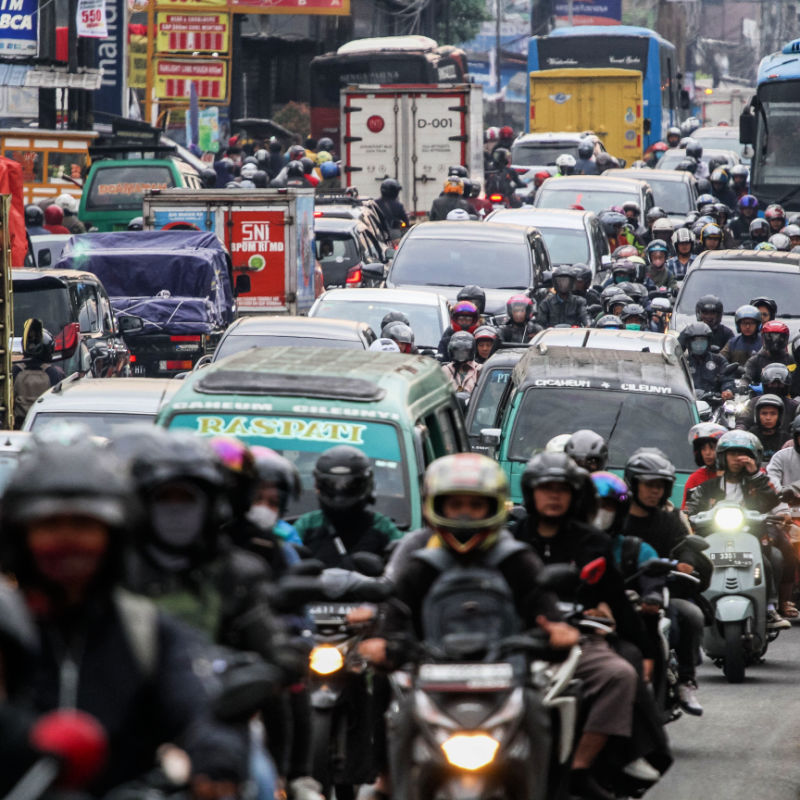
Speaking to the media last week, Regent Arnawa explained: “The Kuta -Canggu tram development plan is designed to be directly integrated with the regional road infrastructure currently under construction.”
The plans show that the government will develop a road with a width of up to 24 meters, part of which will be allocated specifically as a tram rail corridor. He added, “Besides toll roads, which remain a priority, building rail connectivity is far more effective. All main roads in Badung will be dedicated to dedicated lanes. This plan will also be implemented in the Nusa Dua area and Kuta Central Parking.”
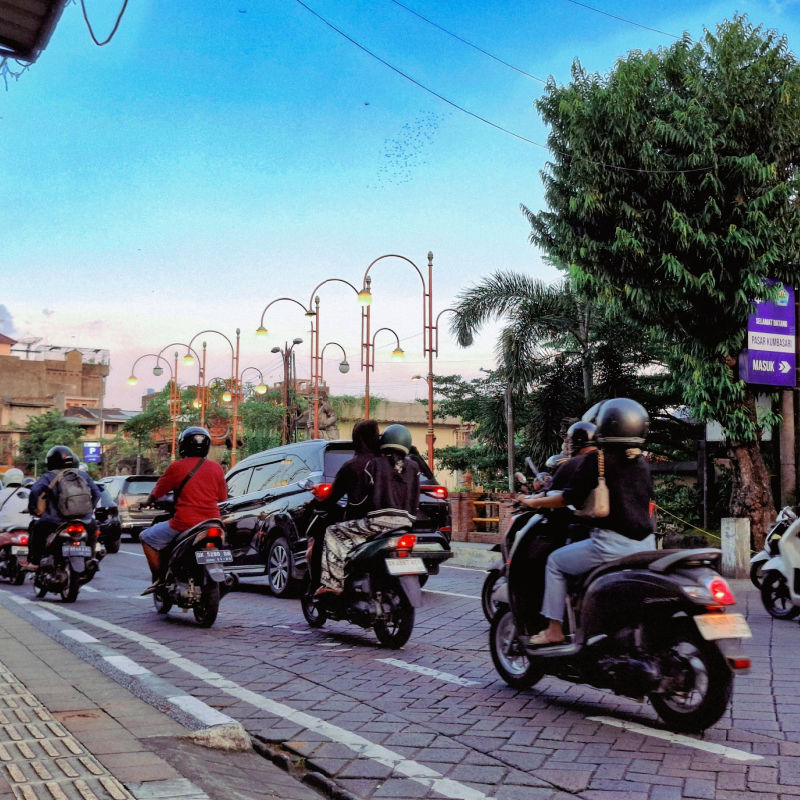
This is part of a region-wide mission to not only level up the road network to deal with the volume of vehicles on the road, but also help cut the number of vehicles on the roads by providing both local people and tourists access to affordable and efficient public transport links across South Bali.
While these are all positive updates, the reality remains true: it will take time for all these new road networks and public transport links to be fully up and running. In the meantime, brace for traffic congestion, travel outside of rush hour where possible, leave more time to drive than Google Maps suggests, and of course, bring snacks.
For the latest Bali News & Debate Join our Facebook Community
Plan Your Bali Holiday:
Book The Best English Speaking Drivers For Airport Transfers & Tours
Discover more from The Bali Sun
Subscribe to get the latest posts sent to your email.
Shorty
Saturday 29th of August 2026
Yet another meaningless talkfest.
Putu Mahendra
Friday 28th of August 2026
Funny tourists are to blame. I am in tabanan, and the massive road here is so overloaded with traffic every day that it may as well be canggu. No tourists here
Shorty
Thursday 3rd of September 2026
@Putu Mahendra,
I'm not sure Putu. The 3 of us in my area of Gadungsari create a huge problem.
Firechef
Tuesday 1st of September 2026
@Putu Mahendra, About time someone tells it what it is! Thank you.
Steve bmi
Friday 28th of August 2026
Short cut on the short cuts that will do it
Shorty
Thursday 27th of August 2026
More repeat brain farts, hot air and poliwaffle.
Steve bmi
Saturday 29th of August 2026
@Shorty, short cuts on the short cut
Chrisp
Thursday 27th of August 2026
Here we go again, delusion at its best. It will make no difference; there are just too many people in Bali. When you have a combination of locals and tourists totalling around 16 million a year using cars, bikes, trucks, and buses, you have the perfect storm. The dam has broken, and it will not stop the utter chaos on Bali's roads.
Exp
Friday 28th of August 2026
@Chrisp, At any day number of tourists are less than 5% of Bali population. It is the locals clogging up the roads with gig economy dominating.