
Leaders in Bali have confirmed that new policies will be brought into legislation to better control the conversion of agricultural land and wild landscapes on the island into commercial and residential properties.
The announcement comes as Bali remains in an official state of emergency following devastating floods in the last six days.
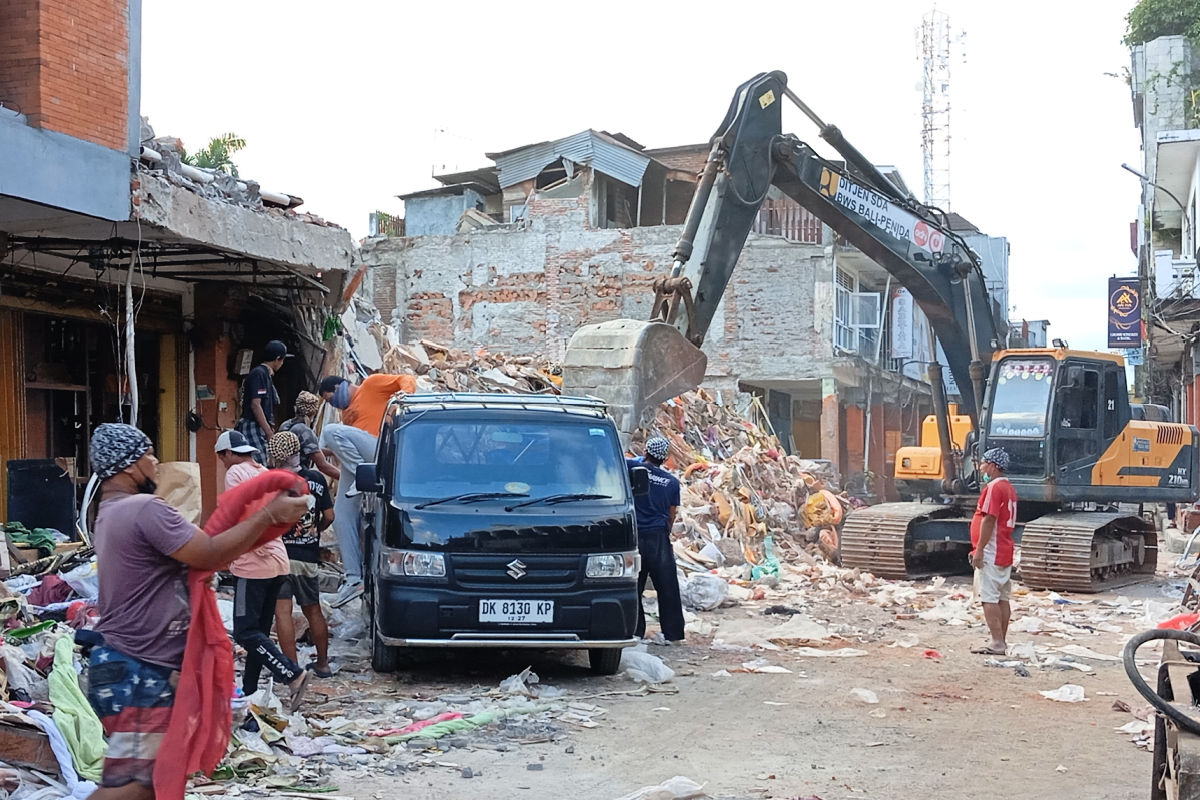

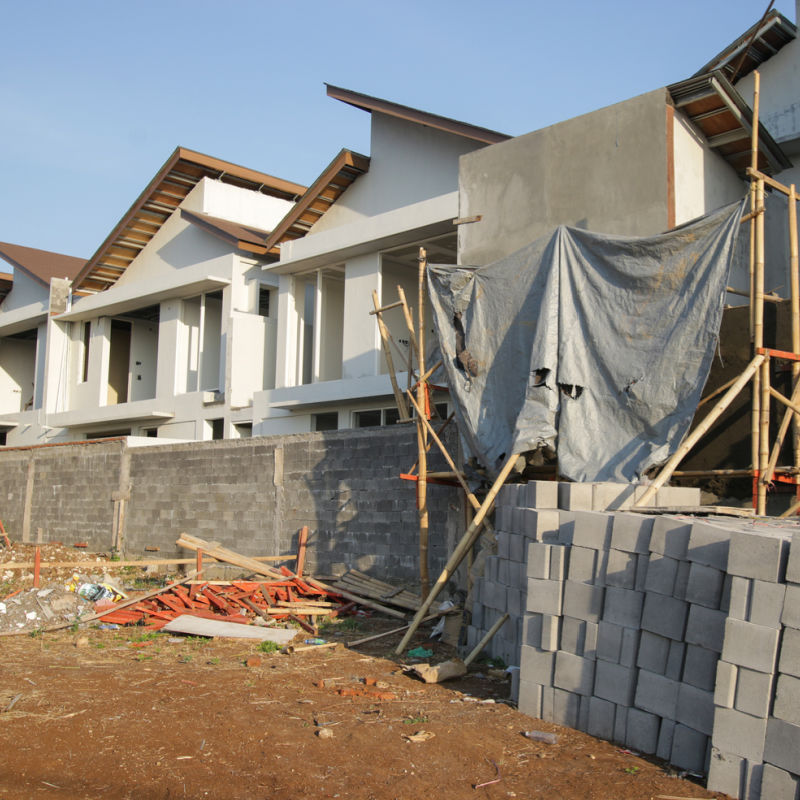
Data shows that Bali has been losing 1,000 hectares a year of agricultural land to the development of commercial buildings, including tourism villas, hotels, and tourism resorts.
As the official death toll from the floods climbs to 18 people, with this figure expected to rise further as recovery efforts continue, and more people are still reported missing, leaders are clear that policies need to change.
Bali-based academic and journalist Ni Komang Pramudiasari recently published an op-ed in the Pacta Sunt Servanda Journal from the Faculty of Law and Social Sciences at Ganesha University of Education, focusing on the impact of tourism on agricultural land on the island.
In the piece titled ‘Tourism Shrinks Green Space: The Impact of Villa Expansion on Land Use Balance in Bali’, Pramudiasari proposes that rampant land conversion must be brought under control in order to reduce the risk of future flash flooding events and natural disasters, as seen in Bali in the last week, and increasingly so over the last three years.
Pramudisari shared, “Every year, Bali loses around 1,000 hectares of agricultural land due to land conversion. This conversion is driven by the rapid development of tourist accommodations such as villas and condotels.”
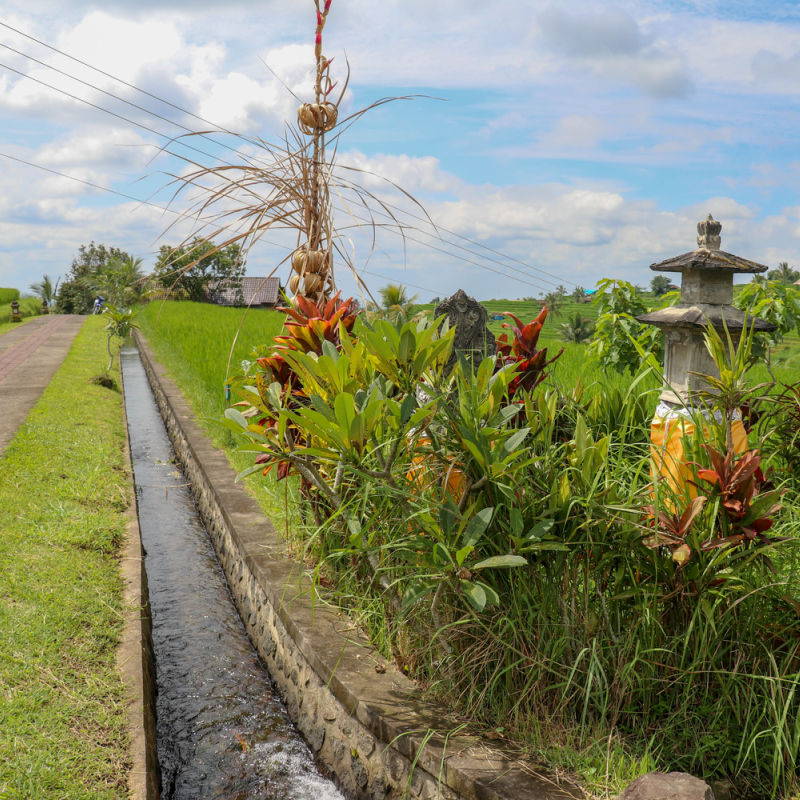
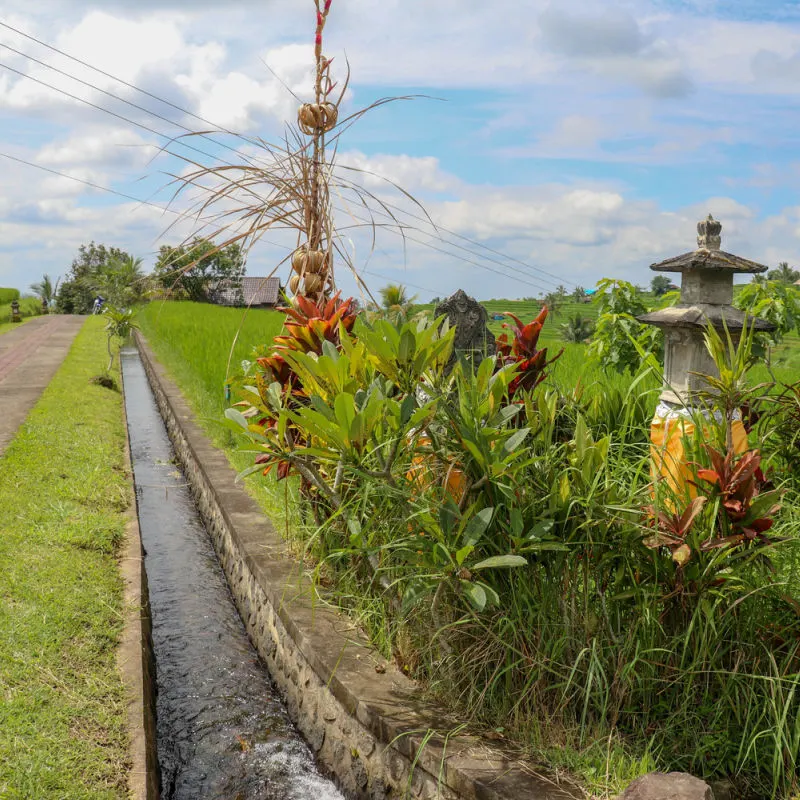
She outlines how land conversion threatens the existence of the UNESCO-protected Balinese subak, which is a totally unique and vital water and irrigation management system. This system has for centuries reflected the social, religious, and economic structure of Balinese society.
The subak system works in harmony with nature, effectively managing water during the rainy and dry seasons, preventing flooding or drought.
Regional Spatial Planning expert, I Nyoman Gede Maha Putra, spoke to reporters about what he has observed to be the most important root causes to focus on resolving moving forward.
He explained, “When the government says land conversion isn’t the cause, it’s not entirely wrong. But it’s also not entirely correct. Land conversion is one of the contributing factors to flooding.”
It is not exclusively the land conversion that is the issue, but the lack of supporting infrastructure development and the type of buildings that have been established on the landscape.
Bali Governor Wayan Koster has confirmed that by the end of the year, new regional bylaws will be drafted that will prohibit land conversion in Bali, as directed by the Indonesian Minister of Environment.
Governor Koster told reporters, “Starting this year, yes, there is already an instruction to all heads of districts and mayors across Bali.”
He added, “After handing the floods, we will meet again to ensure no more permits are issued for hotels, restaurants, or other facilities on productive land, especially rice fields.”
Many feel that while this is a step forward, it does not go far enough. While protecting the remaining agricultural landscape and green belt land is a good first step, serious action must be taken to level up infrastructure and support the subak system from the damage that has already been done.
The new bylaws are expected to be bought into effect by the end of 2025, and based on initial comments from provincial leaders are aligned with statements made back in October 2024 that proposed a two-year moratorium banning the the development of accommodation, and food and beverage outlets in the Badung, Tabanan, Denpasar and Gianyar (Sarbagita) areas as ordered the Ministry of Tourism and backed by officials from the central government, as well as the provincial and regency governments of Bali.
Speaking to reporters during his visit to Bali in the wake of the floods, Indonesia’s Environmental Minister Hanif Faisal Nurofiq told reporters that these new bylaws are of the utmost importance moving forward. He explained, “This is also crucial for Bali’s tourism as the recent flooding has drawn serious attention.”

Adding “I actually told the governor last week that I really hope he will immediately stop the land conversions in Bali. This is extremely important.”
Minister Nurofiq concluded, “There should be no further expansion because Bali’s position is no longer strong enough to withstand natural calibrations. The governor will handle this carefully, not in a ‘frontal’ way.”
For the latest Bali News & Debate Join our Facebook Community
Plan Your Bali Holiday:
Book The Best English Speaking Drivers For Airport Transfers & Tours
Discover more from The Bali Sun
Subscribe to get the latest posts sent to your email.
Steve bm
Monday 22nd of September 2025
Bohong lies from continuous government lokal and kosher a repeater has too many free tshirts for the masses
Steve bm
Friday 19th of September 2025
The problems are the over building and inadequate storm water systems in the most populated areas not the farmers land can not handle the aftermath or the tourists
Susy Kamil
Wednesday 17th of September 2025
This is a good step to protect agricultural areas, which also contribute to the distribution of water flow. However, it should be remembered that land conversion is not the only cause of flooding. The Governor should not forget to develop proper waste management infrastructure and adequate drainage systems. The upstream areas must also be a priority for protection.
Blaming tourism is not a wise approach, especially in areas that rely on the tourism industry. There are alternative ways to develop tourism through sustainable practices, including development that does not damage the natural landscape.
Specialmoments
Wednesday 17th of September 2025
So many large projects like Nuanu have been built on rice fields and green zones without proper paperwork. PARQ another example and many more without sanctions.
Shorty
Wednesday 17th of September 2025
Useless unless enforcement or the new laws is pursued and prosecuted. Not hopefull as most of the restrictions already exist.