
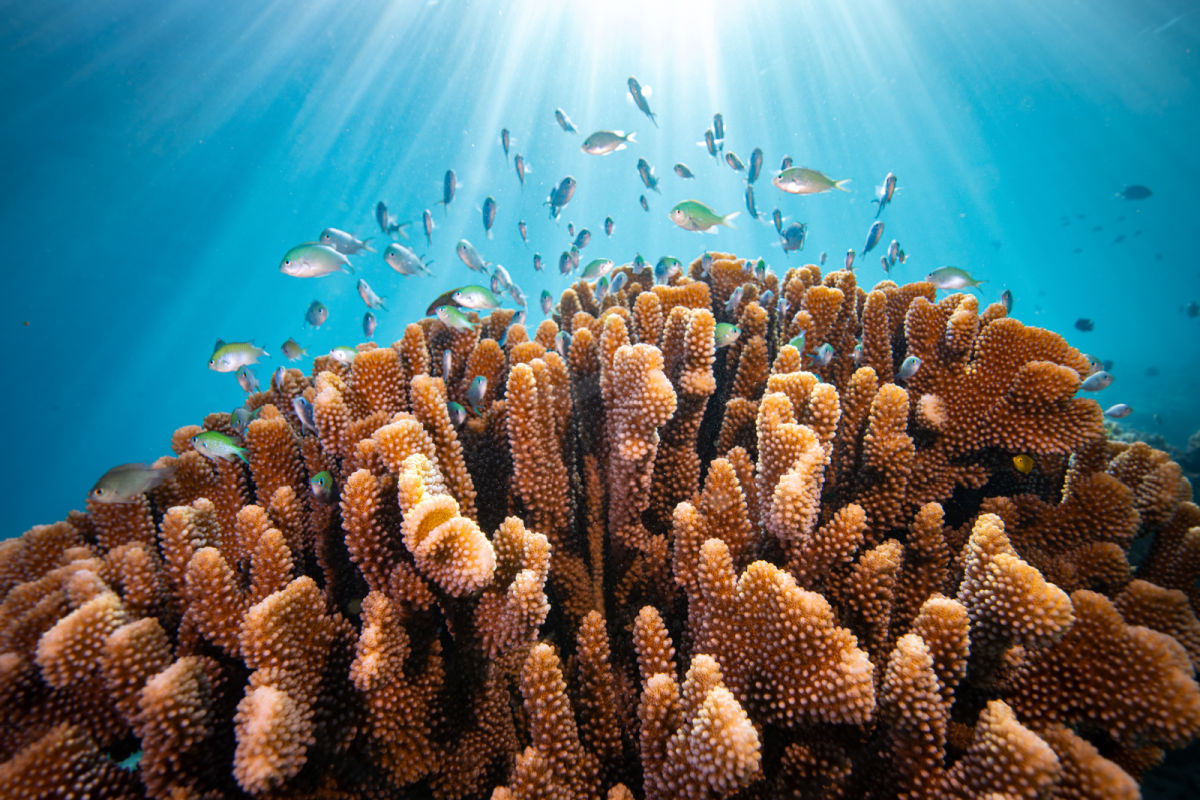
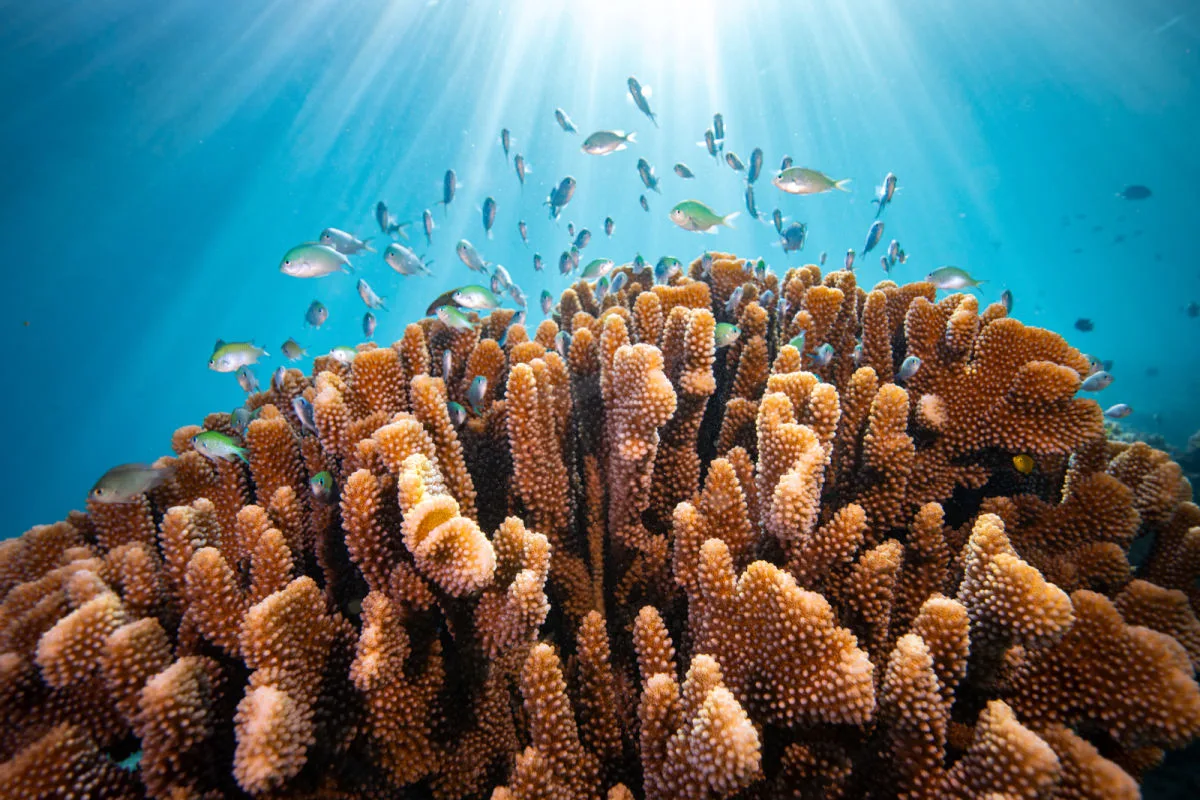
The Buleleng Regency Government has confirmed that it has collaborated with the Indonesian National Armed Forces to install and plant a new coral reef and floating fish aggregating devices off the north coast of Bali.
Not only will these efforts impact the marine ecology, but they are also set to benefit impoverished local livelihoods and attract tourists.
North Bali is one of the most untouched areas of the island in terms of tourism development. This is why many leaders and tourism organisations are working to promote this region of the province to tourists. The island is struggling under the weight of localised overtourism and the impacts of mass tourism in the central south of the island.
There are extensive efforts underway to promote lesser-visited areas of the island to tourists who are seeking meaningful connections and authentic travel experiences. North Bali, along with the east and western regions of the island, is perfect for tourists seeking to explore Bali’s natural landscapes and local culture.
The Buleleng Regency Government has just installed a series of new coral reef growing stations and a series of floating fish aggregating devices to help improve marine conservation off the north coast of the island. The devices were installed off Banjar Beach on Tuesday, 30th September, as part of the 80th Anniversary celebrations of the Indonesian Army.
Speaking to reporters, the Regent of Buleleng, Nyoman Sutjidra, shared, “We fully support the environmental services activities held in the framework of the 80th Anniversary of the Indonesian Armed Forces.” He noted how the celebratory activities play an important role in coastal conservation, and showed his support for the accompanying social impact efforts, which saw army officers distribute food packages to community members in need.
Regent Sutijdra told reporters, “By preserving coral reefs, marine ecosystems will recover, biota will thrive, and fishermen will be able to catch better fish.”
While in the central south of Bali, tourism is one of the largest sectors of employment for local people. Across much of the island, especially in more rural areas, farming and fishing are the most common livelihoods for local communities.
Buleleng Regency’s coastline spans 157 km, which is one of the largest coastlines of the nine regencies in Bali.
Regent Sutijdra told reporters, “We need to continue strengthening coastal walls. Furthermore, enforcement of violations along the coastal boundaries also needs to be re-emphasised.”
Speaking separately, Brigadier General Ida I Dewa Agung Hadisaputra told reporters that the new aggregated fishing devices are set to help improve the working conditions of many local fishermen.
He confirmed that the devices have been installed in response to complaints from local fishermen, who have to go miles out to sea to catch their prey, whereas less than a generation ago, a full day’s catch could be obtained just 700m from shore.
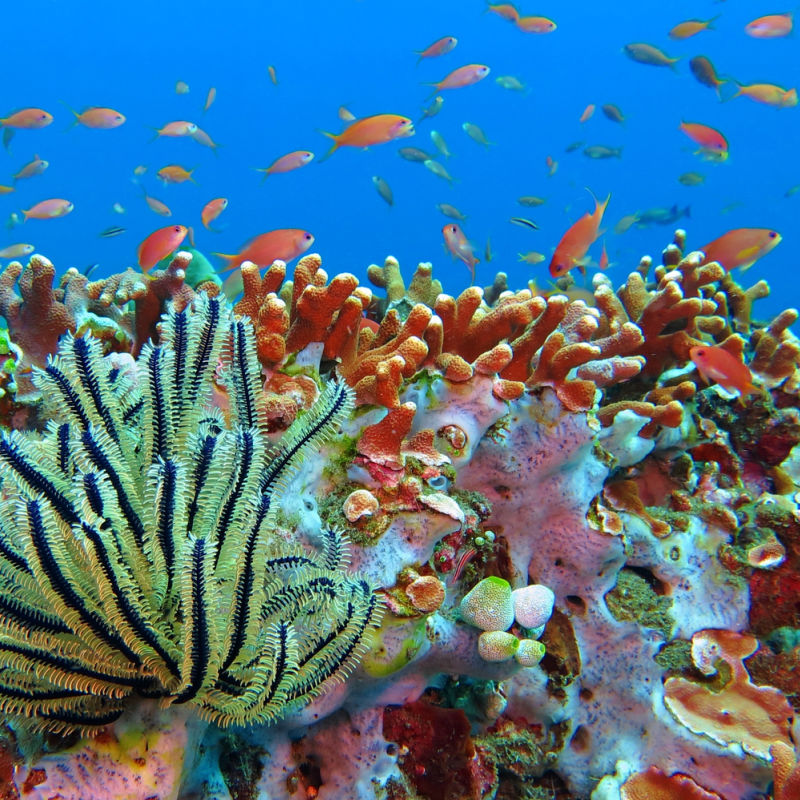
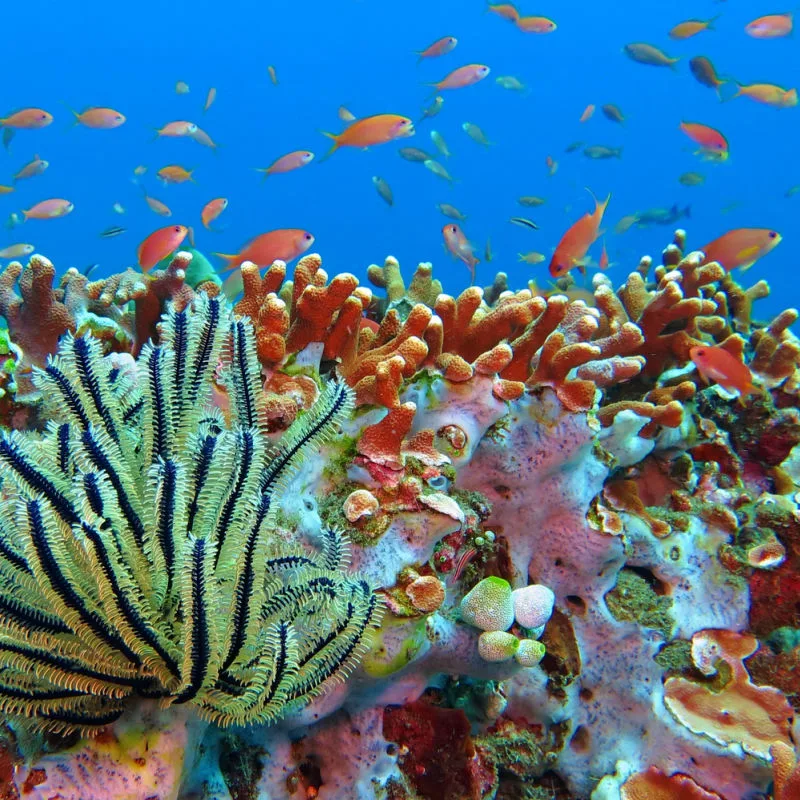
Hadisaputra explained, “By installing coral reefs and floating fish aggregating devices, it is hoped that all fish will grow and attract larger fish and thereby increase the catches and reduce fishermen’s operational costs.”
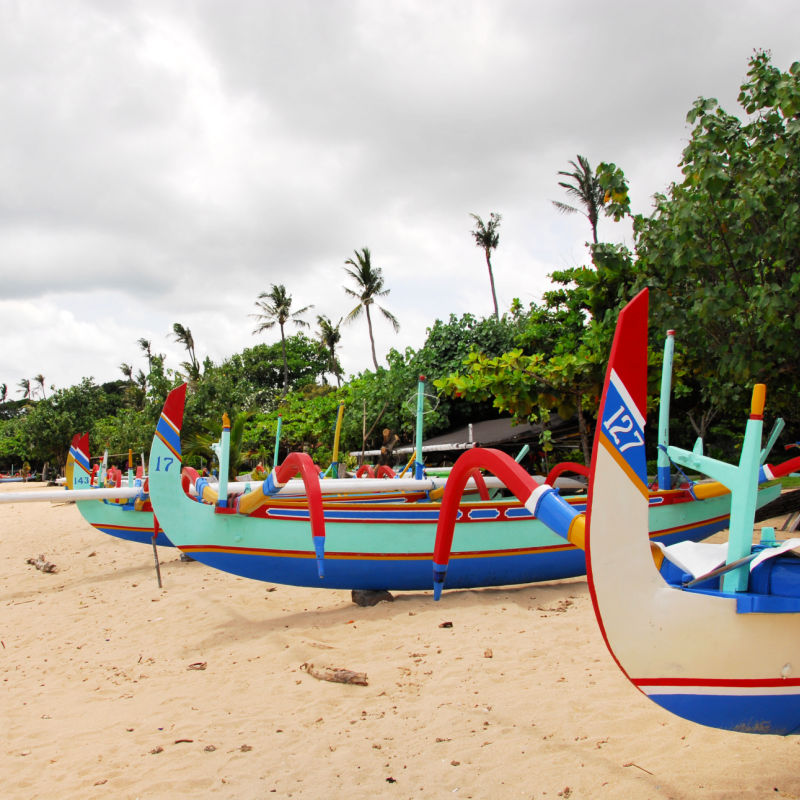
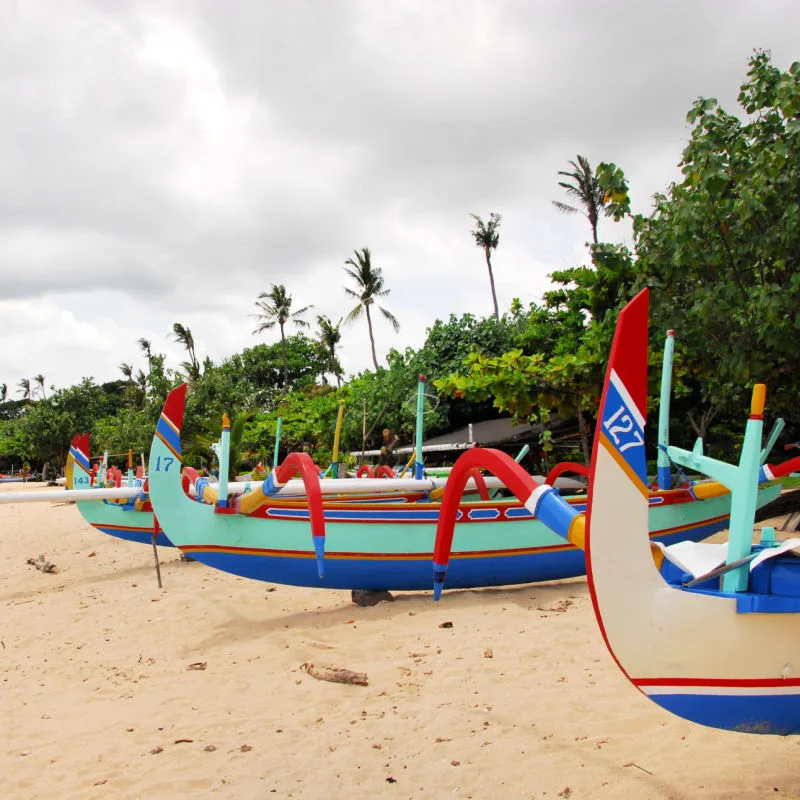
The efforts by the Buleleng Regency Government and the Indonesian Armed Forces are complemented by long-standing and extensive efforts from NGOs operating in the Buleleng area.
Biorock Indonesia, for example, has been working in the Pemuteran region for years and has installed dozens of bio-rock coral reef restoration devices in the area.
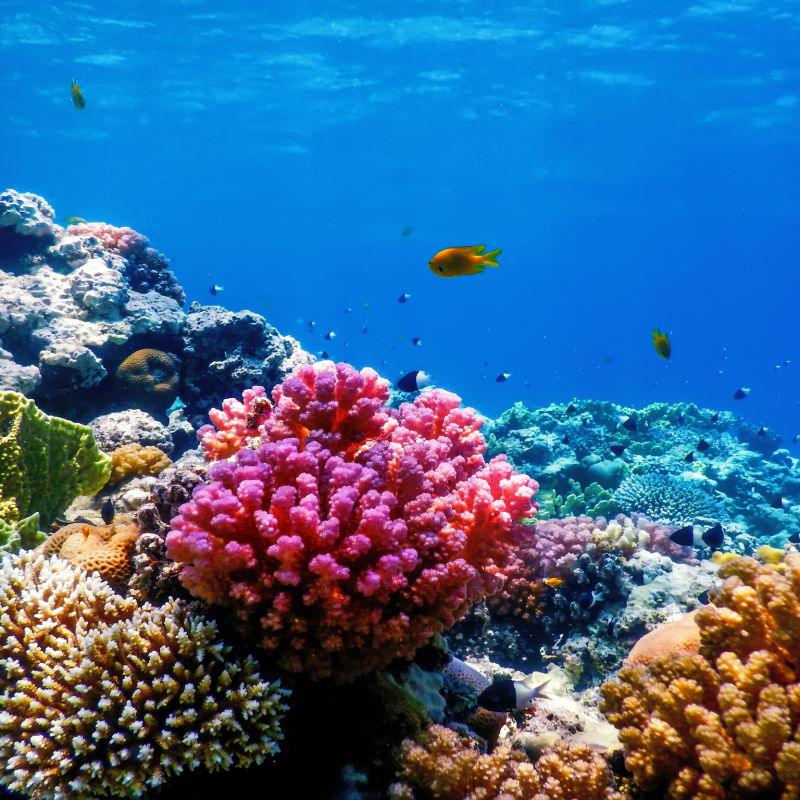
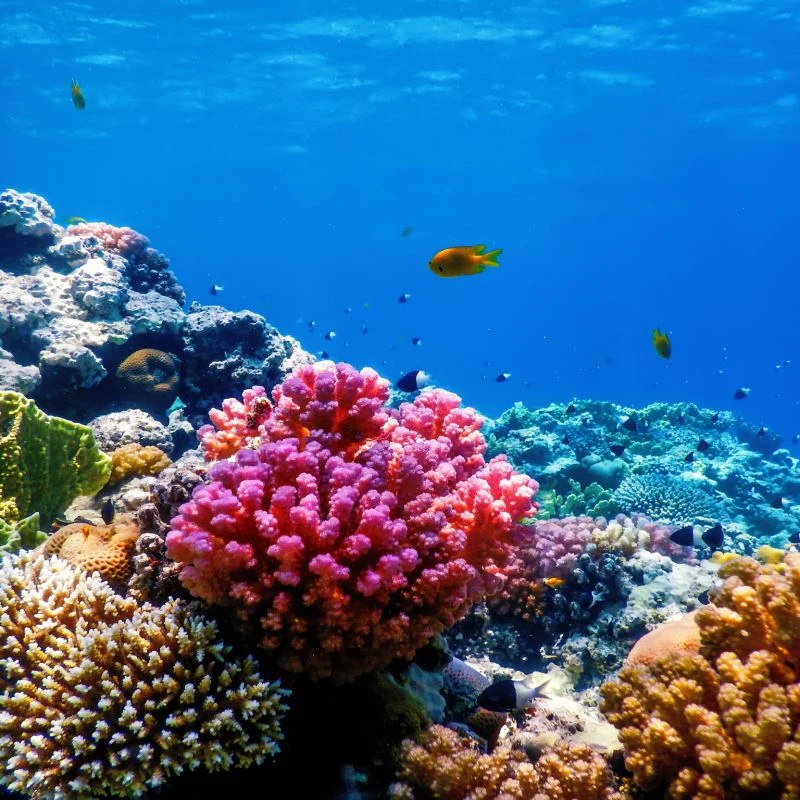
For dive enthusiasts, North Bali offers a wide range of underwater ecosystems to explore. Diving off Pemuteran is still considered a real hidden gem activity, and exploring the underwater realms around Menjangan Island in West Bali National Park offers tourists the chance to experience healthy coral reefs and marine wildlife without the huge crowds.
For the latest Bali News & Debate Join our Facebook Community
Plan Your Bali Holiday:
Book The Best English Speaking Drivers For Airport Transfers & Tours
Discover more from The Bali Sun
Subscribe to get the latest posts sent to your email.
James
Friday 3rd of October 2025
Sure! Creating even more overfishing but just say it is good for marine life.... Bunch of dumb bs.
"Floating Fish Aggregating Devices (FADs) are man-made structures, often drifting, that attract schools of pelagic (open-ocean) fish like tuna and dolphin fish, concentrating them to make them easier to catch with fishing gear like purse seines."
Shorty
Saturday 4th of October 2025
@James,
Why will FADs increase overfishing?