
With the conflict in the Middle East impacting global oil prices, leaders around the world are already starting to implement energy-saving measures.
Indonesia is no exception. With new energy-saving measures introduced for civil servants and some students, the decision to implement measures this soon has got tourism leaders questioning if the travel sector will be impacted sooner rather than later, too.
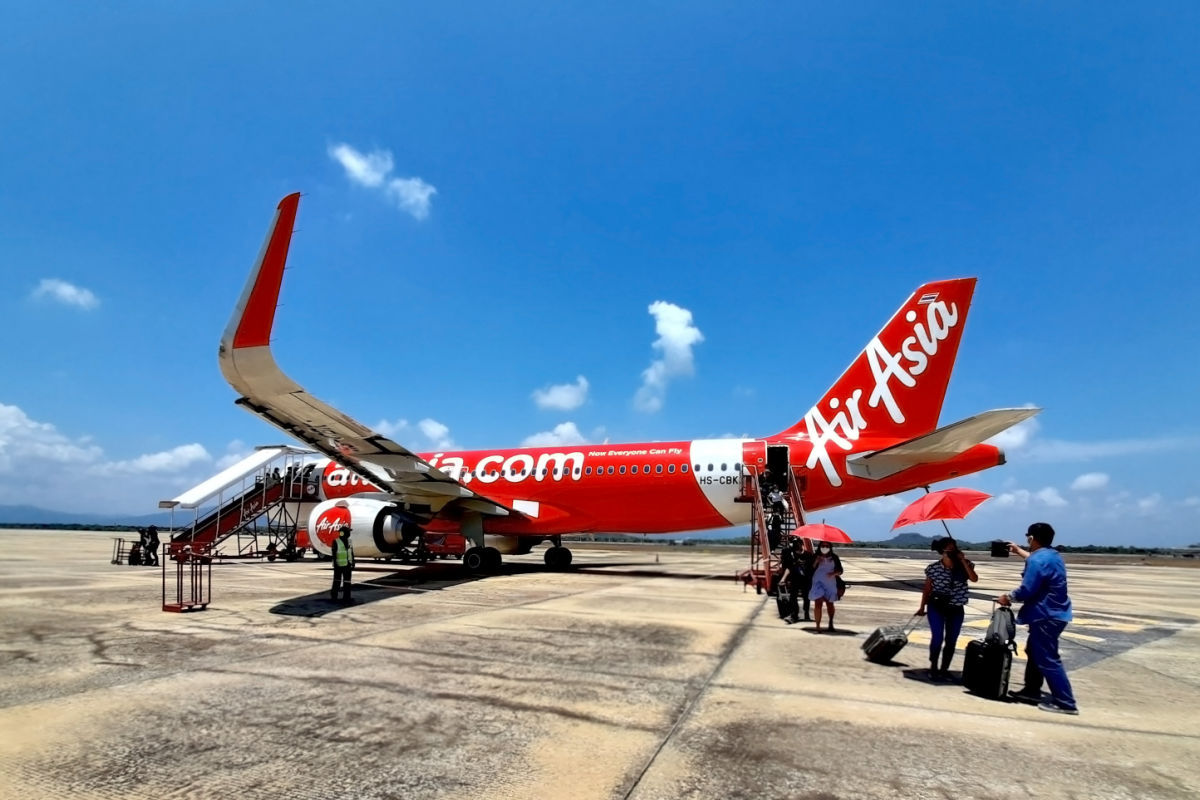
The Indonesian Government has confirmed that new work from home orders (WFH) are in place after the Eid al-Fitr national public holidays are over.
The orders are in place for civil servants, and the private sector is being encouraged to follow suit. The Coordinating Minister for Economic Affairs, Airlangga Hartarto, explained, “WFH will be detailed. However, we will implement it after Eid al-Fitr. It applies to civil servants and private sector employees, but not to those working in the public service sector.”
Speaking, Finance Minister Purbaya Yudhi Sadewa separately stated that a one-day-a-week work-from-home policy has the potential to reduce energy consumption, particularly fuel consumption in the country’s busiest cities.
Based on rough government calculations, fuel savings could reach around 20%. He noted,” There’s a very rough estimate that WFH can save about a fifth, or around 20 percent, of fuel consumption.”
The orders have come from President Prabowo Subianto himself, who previously conveyed the idea of working from home (WFH) during a cabinet meeting at the State Palace in Jakarta last week.
During the meeting, President Subianto asked his staff to review fuel consumption reduction measures, including the option of working from home, to anticipate the impact of the global crisis and energy price fluctuations.
He noted, “We managed COVID before, and we succeeded. And we were able to work from home, and we were efficient, which meant we saved a significant amount of fuel.”
It is not only Indonesia that has implemented these kinds of measures, but the Philippines has. Also implemented a four-day work week in the public sector, while Pakistan has prepared an energy-saving scheme through distance learning and work-from-home arrangements.
In Thailand, restrictions on fuel purchases have already been implemented at gas stations nationwide.
Bali Travel Updates
At present, energy-saving measures will not impact tourists in Bali, and these kinds of policies do not look set to impact tourism in the coming months either.
However, the global oil situation is in flux, and travel leaders are already preparing to see an increase in flight ticket costs throughout the rest of the year. Airspace closures are being brought into effect intermittently across the Middle East, impacting major travel hubs like Abu Dhabi, Dubai, and Doha, all of which have impacted flights to and from Bali in the last month.
Tourism leaders in Bali are already discussing the possible impact of rising fuel costs on operations, and I Gusti Ngurah Rai Suryawijaya, Deputy Chairman of the Indonesian Hotel and Restaurant Association (PHRI) Bali, told reporters this week that tourist activities may not be issues with restrictions in terms of energy consumption, but that the knock-on costs may be hard to avoid.
Suryawijaya told reporters, “What I fear is a price war if tourism starts to decline. However, we are still working to ensure Bali remains a prime destination for visitors.”
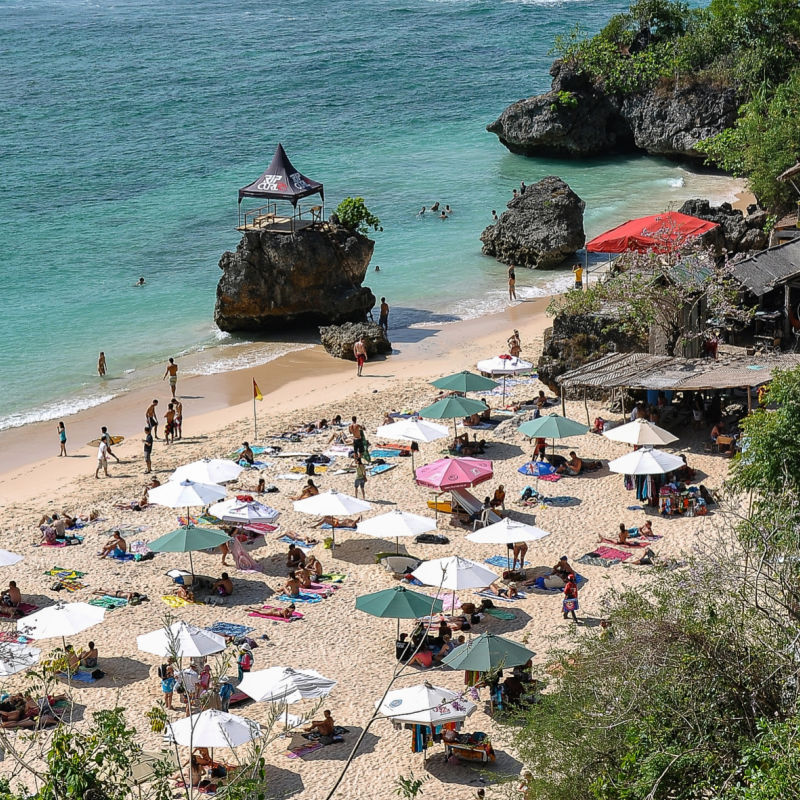
The Head of the Badung Tourism Office, Nyoman Rudiarta, who oversees destinations like Canggu, Seminyak, and Uluwatu, noted that Bali remains in high demand even with the conflict in the Middle East impacting flight routes and energy costs.
“In fact, Bali remains the favorite despite international and domestic competitors. However, currently, Yogyakarta is also strong. Based on samples from dozens of hotels, the current average occupancy rate remains at mid-range.”

It is always advisable to snap up travel deals to Bali when they present themselves. It is essential, however, to take out fully comprehensive travel insurance at the time of booking to ensure cover for any cancellation, disruption or global changes that impact travel.
For the latest Bali News & Debate Join our Facebook Community
Plan Your Bali Holiday:
Book The Best English Speaking Drivers For Airport Transfers & Tours
Discover more from The Bali Sun
Subscribe to get the latest posts sent to your email.
Exp
Thursday 26th of March 2026
Sri Lanka, Myanmar, Bangladesh, and Pakistan have already instituted fuel rationing, while Thailand, the Philippines, India, and Vietnam are implementing measures like driving restrictions
So how is Indonesia going to escape?
ganivet
Saturday 28th of March 2026
@Randy, what a wonderful, unique country – one where the state foots the bill rather than the public... does that strike you as odd?
Randy
Friday 27th of March 2026
@Exp, So how Indonesia is going to escape? Apparently you do NOT read the news. People are working once a week from home to begin with at least in Jakarta. Bali? Who knows...
Gasoline prices are rising around the world including AUSTRALIA due to global oil supply disruptions but in Indonesia, prices have remained stable for now. Government subsidies have helped the population whenever energy crisis rises. The government absorbs the cost. However Indonesia can produce 50% renewable fuel from Palm oil. This may be a huge significant advantage for Indonesia’s independency.
Furthermore, with the backing from the U.S. Trade and Development Agency, a geothermal power plant in Indonesia is being positioned as a dual source of renewable energy. That may be a vital energy source for Indonesia in the future. In Balikpapan, a refinery as large as in Singapore is currently being built, perhaps even larger so that Indonesia can process its own crude oil without having to process it there and purchased it from Singapore.
Meanwhile Australia is in an energy fuel crisis mode, scrambling to get allies like Japan and Singapore to help with imported fuel supply. You think that their government would be more prepared in events like this such as a surprise illegal war in Iran. So would you as an Aussie not be better off living in Indonesia instead of complaining about Bali and being ungrateful to the host country for whatever greater or little that they have have to protect its own people from a major crisis. Actually Indonesia is better prepared than Australia. Sigh...