
Bali’s busiest region for tourism, Badung Regency, which is home to the island’s most established resorts, including Canggu, Seminyak, Legian, Kuta, Jimbaran, Uluwatu, and Nusa Dua, is now officially home to one million vehicles.
This is kind of mind-blowing, especially since there are only half a million registered residents in the regency.
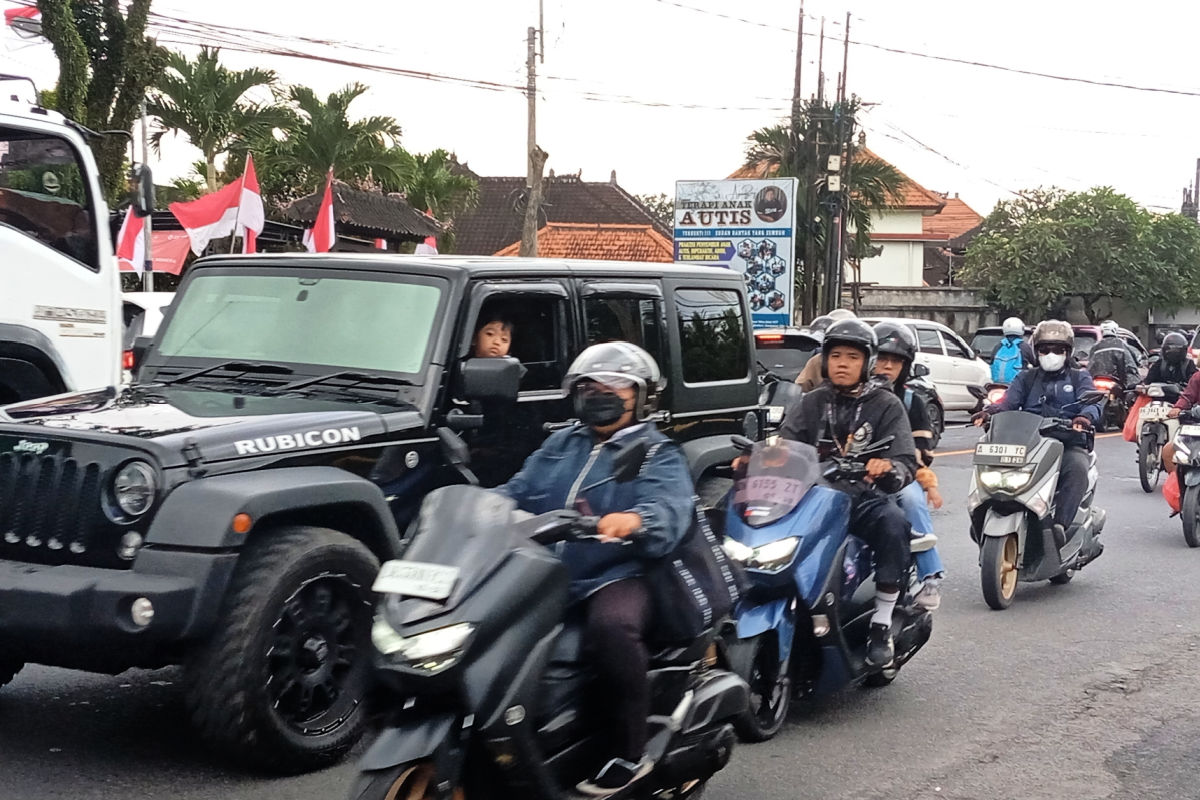
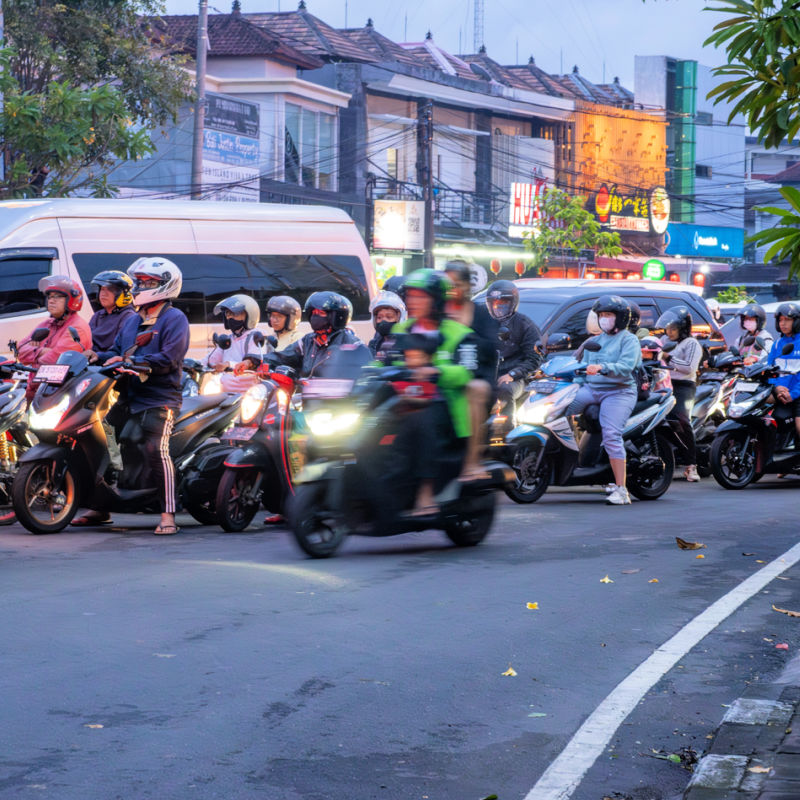
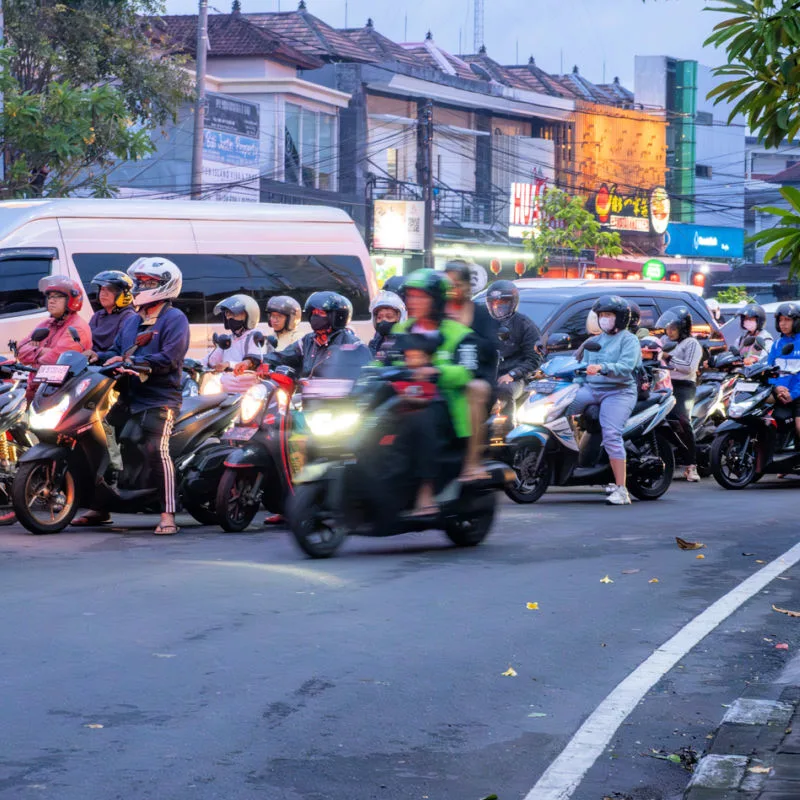
This might just explain why traffic congestion in the region feels both chaotic and chronic at this point.
Official data released by the Badung Transportation Agency shows that there are one million motorized vehicles registered in the regency, while the area only has an official population of 500,000 people.
The Acting Head of the Badung Transportation Agency, Made Gede Wiryantra Adi Susandi, told reporters that with a ratio of 1:2, this could be one of the major contributing factors to traffic congestion around top tourism resorts and residential areas.
He confirmed that the Badung Transportation Agency continues to work to mitigate traffic congestion and problems on the roads. He noted that since Badung Regency is one of Bali’s biggest economic hubs, with a booming tourism sector, pressure on the roads continues to grow as investment and development boom.
Susandi confirmed that the Badung Transportation Agency uses Area Traffic Control Systems (ATCS) to help monitor traffic flow in real time and regulate the duration of traffic lights in congestion-prone areas. He explained, “Throughout ATCS, we are working to regulate traffic flow to gradually reduce traffic flow.”
It is worth noting that while traffic flow is a problem, much of the congestion is caused by the sheer volume of vehicles on roads that were never designed to deal with such a huge amount of passing traffic. While there are one million vehicles registered in Badung Regency, every day, drivers from around the province pass through the area, only adding to the pressure on the road network.
New traffic engineering works have even been effective in Kerobokan Kelod and Seminyak, two areas that are increasingly popular with tourists and receiving a huge amount of tourism development investment. There are now plans to introduce similar measures in Canggu Village and Berawa.
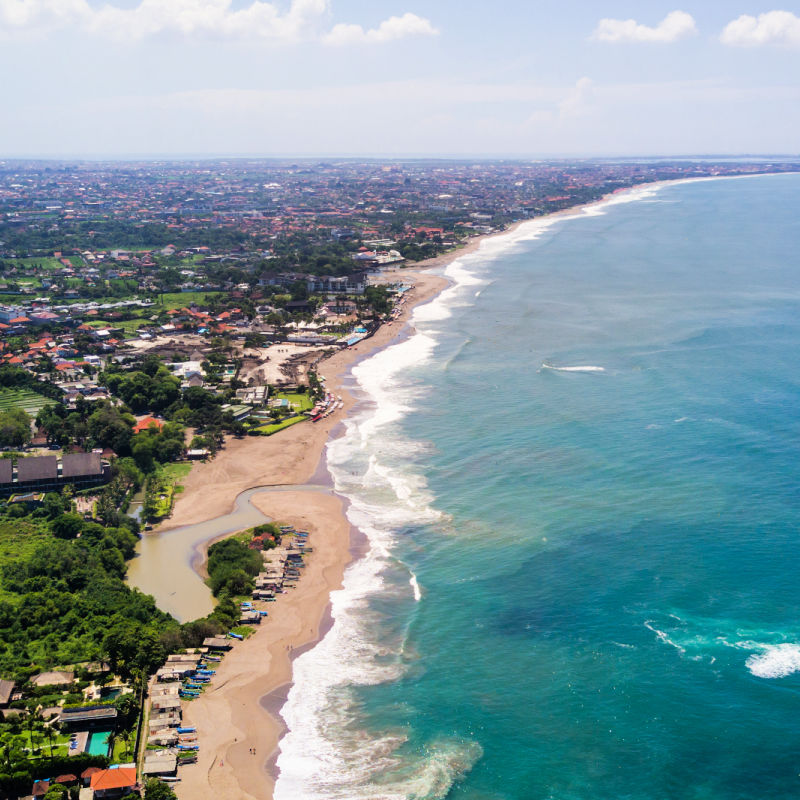
Canggu and Berawa have been struggling under the weight of the pressure put on them by increasing tourist visits and business development. Susandi told reporters that the plan to expand traffic congestion mitigation measures to Canggu and Berawa is a logical next step.
He noted, “We will expand the engineering to the Berawa and Canggu areas. There are still several congestion points in those locations that require further study.”
He added, “This area is currently experiencing a boom in tourism. Many complaints about traffic congestion have come through the Regent’s contact social media channels, so this needs to be taken seriously.”
He confirmed that the Badung Transportation Agency will not be working alone, and will be collaborating with the Road Traffic and Transportation Forum to ensure that all relevant studies and consultations are conducted before implementing solutions.
He concluded, “This step is expected to support the realization of quality tourism in Badung Regency.”
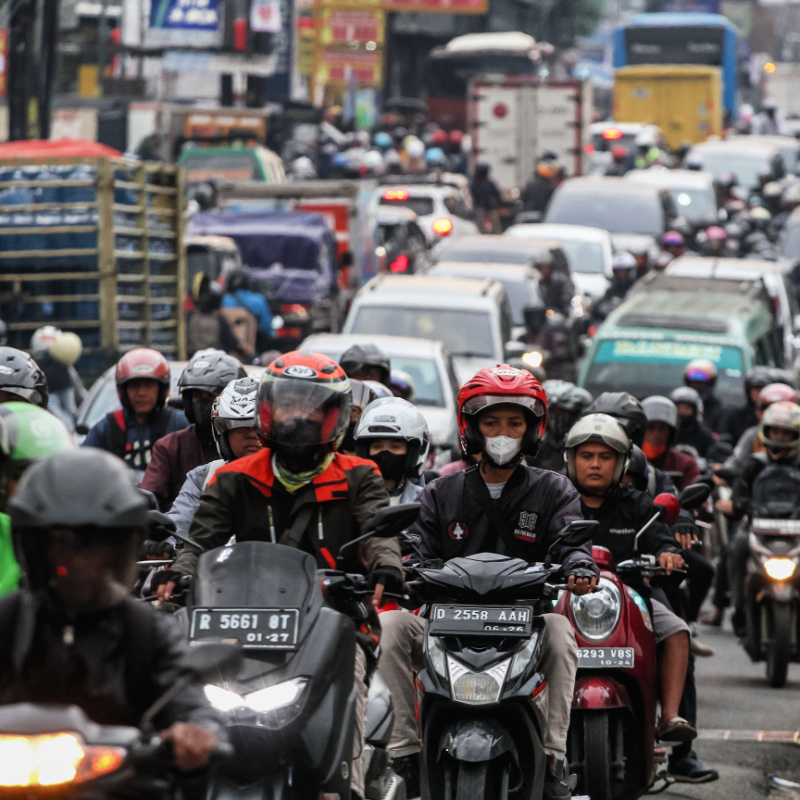
In the meantime, tourists traveling to Bali should prepare for traffic congestion. While not a threat to safety, it is a massive inconvenience, and at peak rush hour, a journey that would take 15 minutes on clear roads can take upwards of an hour and a half.
Tourists should endeavor to travel by road outside of peak rush hours, and to leave more than enough time to drive from A to B.
Here at The Bali Sun, we also always advise bringing snacks…sometimes those journeys can be a drag, but it is a small price to pay to be able to visit the world’s best destination in 2026.
For the latest Bali News & Debate Join our Facebook Community
Plan Your Bali Holiday:
Book The Best English Speaking Drivers For Airport Transfers & Tours
Discover more from The Bali Sun
Subscribe to get the latest posts sent to your email.
Exp
Tuesday 21st of April 2026
"Canggu and Berawa have been struggling under the weight of the pressure put on them by increasing tourist visits."
Looks like those huge beach clubs approved without any consequence analyses turned out to be disastrous.
Chrisp
Tuesday 21st of April 2026
Seriously, in your article, statements suggesting that Bali’s traffic challenges can be resolved quickly based on current population and vehicle registration figures. With respect, this position appears to significantly underestimate the scale and complexity of the issue. The commonly cited numbers—approximately 500,000 residents and around one million registered vehicles—do not reflect the true volume of traffic on Bali’s roads. These figures overlook a critical and substantial factor: the movement of people into the island. Each year, Bali receives approximately 9.6 million domestic tourists, many of whom travel from Java and bring their own vehicles, including cars and motorbikes. On top of this, international arrivals are estimated at around 7 million annually. This results in a combined influx of over 15 million visitors per year, all of whom require some form of transportation.
This additional volume is not being adequately accounted for in the current analysis. The assumption that traffic congestion can be resolved by addressing only locally registered vehicles is, therefore, untrue and misleading. The reality on the ground reflects this gap in understanding. It is not uncommon for a journey that should take 15 minutes to extend to an hour or more due to severe congestion and gridlock. This is not an occasional issue—it is a daily, systemic problem affecting residents, businesses, and visitors alike.
Bali’s infrastructure, particularly its road network, was not designed to handle this level of demand. Any meaningful solution will require long-term planning, significant investment, and a realistic assessment of the true scale of traffic flow—including both local and incoming vehicles. To suggest that this can be resolved quickly risks underestimating the challenge and delaying the implementation of effective, sustainable solutions.
A more comprehensive and data-driven approach is essential if real progress is to be made. The simple fact is, there are just too many people coming to Bali, and overtourism is crippling the island, making it completely unsustainable.
Exp
Wednesday 22nd of April 2026
@Chrisp, Yepp. Bali Mandara Toll Road was ready in 2013, while Jl Bypass was completed in 1960! Tourismn has exploded last 10-15 years or so with almost zero effort to mitigate the increased volume.
Steve bmi
Tuesday 21st of April 2026
All the boofhead drivers driving around empty no customers clogging up the roads and parking. They all jumped on the bandwagon brought mobiles on credit thinking easy money. You could take away 50% of transportation vehicles off the road and still have enough