
Leaders in Bali have gathered to discuss strategies for the incoming rainy season.
Typically, the first rains of Bali’s monsoon season don’t arrive until late October and early November each year, but with the season facing the worst flooding in over 70 years in September 2025, disaster mitigation efforts are being called forward.
Speaking to government agency leaders, Governor Wayan Koster emphasized the importance of disaster preparedness throughout the province.
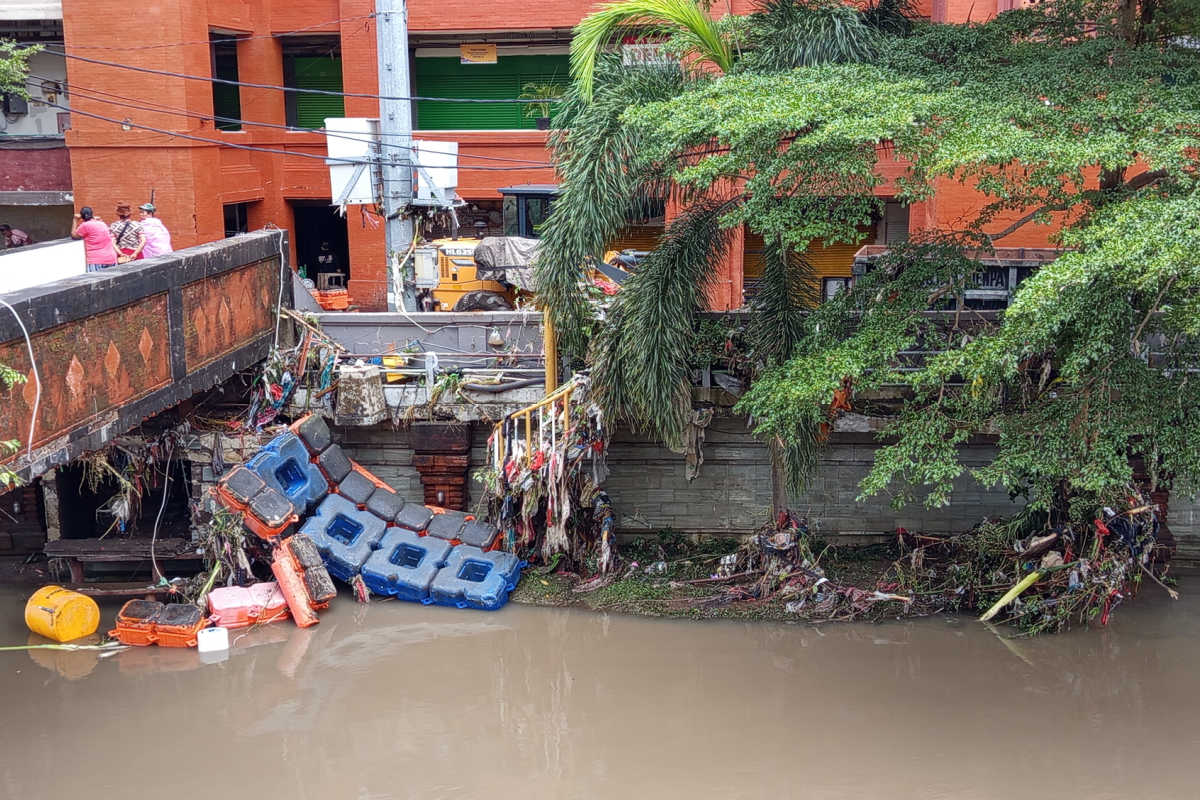
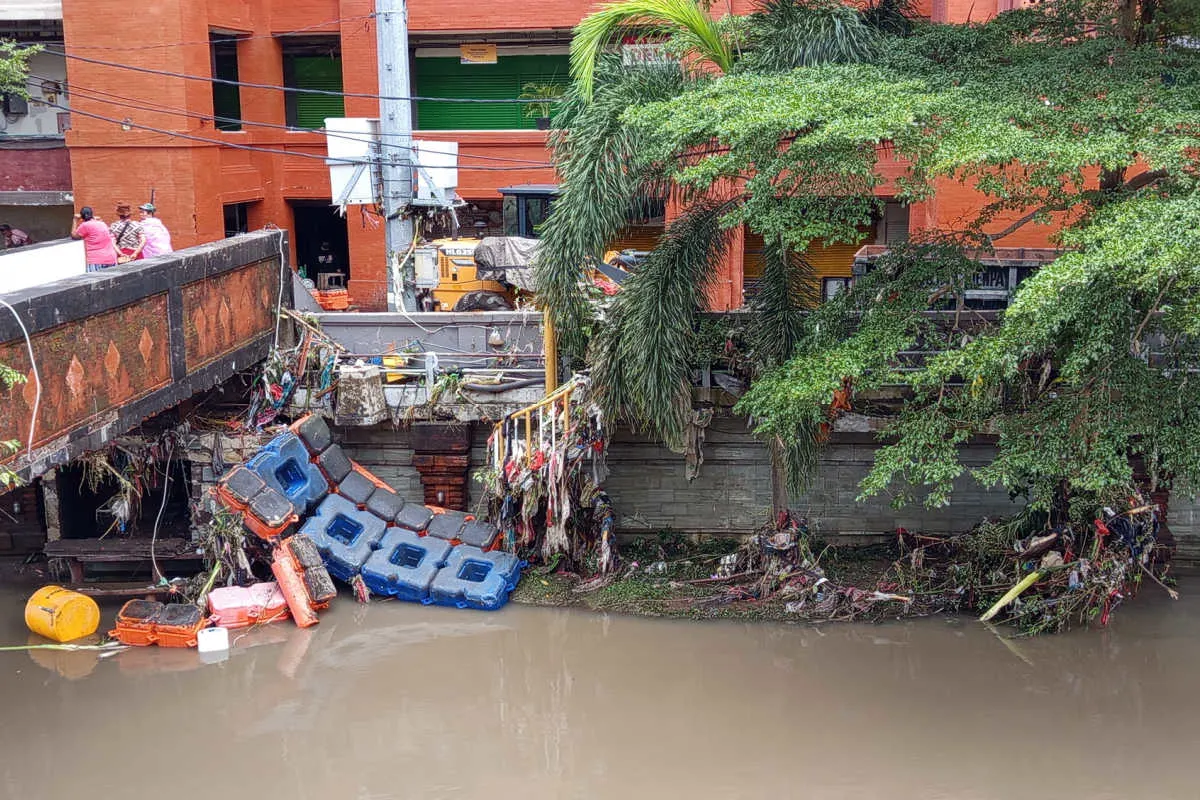
His orders follow advice issued by the Head of the Indonesian Meteorology, Climatology, and Geophysics Agency (BMKG), Dwikorita Karnawati, who predicted the highest rainfall would occur between January and February 2026.
This heightened rainfall has the potential to trigger floods, flash floods, and landslides, especially if the early rainy season is not managed well.
Dwikorita has explained the need for both the provincial and regency governments, technical agencies, and the public to increase vigilance and get prepared for the incoming rainy season.
He shared, “Mapping areas prone to flash floods, early monitoring of river flows in hilly areas, and restructuring of shallow or narrowed river bodies are crucial.” The BMKG has also recommended stopping excavation activities on hillsides with a high risk of landslides.
In response to the official advice and warnings from the BMKG, Governor Koster immediately ordered the Head of the Bali Regional Disaster Management Agency (BPBD) to map flood and landslide-prone areas across the province and follow up on the results with ‘swift and measured action’.
These essential mitigation efforts will also focus on rivers from source to mouth. Solutions are set to include debris clearing, replanting deforested areas, and auditing the island’s four major watersheds—Ayung, Badung, Mati, and Unda. In the long term, the work will also include evicting and demolishing buildings violating spatial planning regulations along riverbanks.
Governor Koster explained, “These steps align with the disaster-resilient development policy stipulated in Bali Governor Regulation Number 25 of 2024 concerning the Bali Provincial Disaster Risk Assessment for 2025–2029. With risk and vulnerability maps, the government can make faster and more accurate mitigation decisions and strengthen regional capacity to minimize disaster losses.”
The provincial leader confirmed that these orders are underlined by the Bali Governor Regulation No. 24 of 2020, which regulates the management and protection of lakes, springs, rivers, and seas, including the involvement of indigenous communities. He shared, “Based on this gubernatorial regulation, the Bali Provincial Government is committed to strengthening the synergy between environmental policies and disaster mitigation, so that water resource management not only conserves nature but also protects communities from hydrometeorological risks.”
Tourists traveling to Bali between October 2025 and April 2026, especially those traveling in January and February 2026, are advised to prepare for a potentially extreme monsoon season on the island. It is essential that tourists take out a fully comprehensive travel and health insurance policy before traveling to the island.
All insurance policies must cover support in the event of a natural disaster or force majeure, and tourists must read all their policy documents in full prior to travel. It is highly advisable that tourists take time to understand how to make a claim in an emergency situation and how they can access support from insurance providers and their consulates or embassies while in Indonesia.
On the 10th September 2025, Bali saw the start of the heaviest prolonged rainfall and worst flooding the island has experienced in over 70 years.
Areas of Denpasar City were wrecked, devastated, and flooding impacted tens of thousands of families across the province. Worst-affected areas popular with tourists included Kuta, Legian, Seminyak, and Canggu, with floods also affecting many parts of Ubud.
Speaking to reporters in the immediate aftermath of the floods, the Deputy for Destination Development and Infrastructure of the Ministry of Tourism, Hariyanto, explained, “Tourists who will travel should always prioritize safety and maintain health, bring an umbrella or raincoat during outdoor activities, and always update information and weather forecasts sourced from tour operators or from BMKG.”
For the latest Bali News & Debate Join our Facebook Community
Plan Your Bali Holiday:
Book The Best English Speaking Drivers For Airport Transfers & Tours
Discover more from The Bali Sun
Subscribe to get the latest posts sent to your email.
Steve bm
Tuesday 21st of October 2025
In tourists areas... How many tourists died when it flooded ???
Steve bm
Thursday 16th of October 2025
Fix the stormwater systems and fix the Indonesian mindset about blatantly dumping of rubbish up and down the road
Pk
Friday 17th of October 2025
@Steve bm, Sure true