
Eco-tourism has been a buzzword for more than a decade.
The travel trend has often attracted both praise and cynicism, as efforts to promote sustainability and environmental protection within the tourism industry are not always easy to achieve.
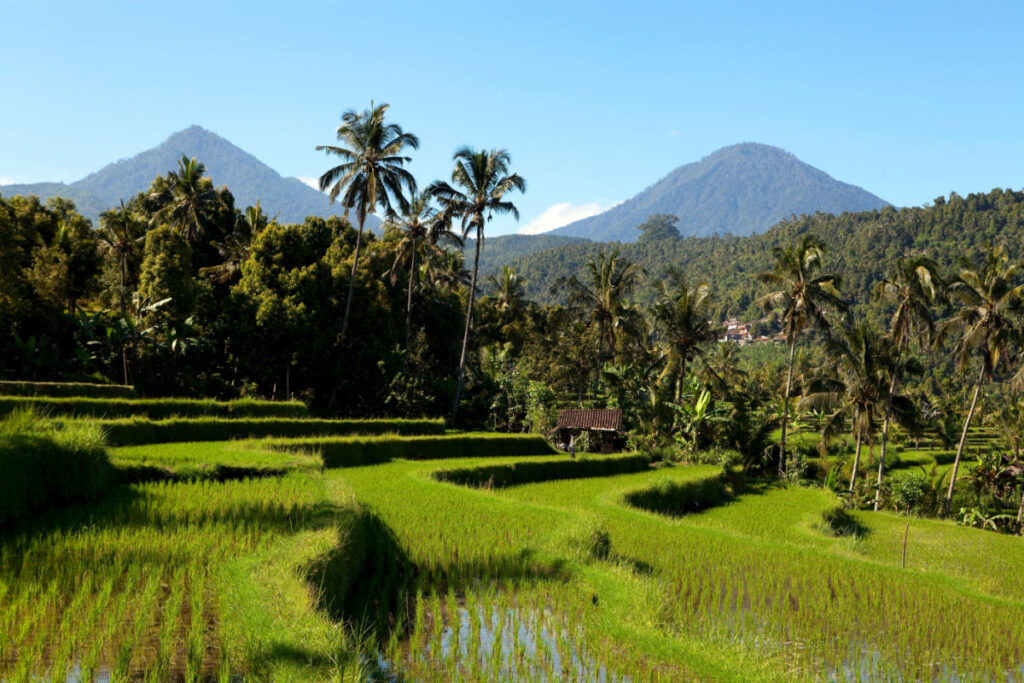
In Bali, care for the natural world is deeply embedded in local culture, which is perhaps why many of the island’s eco-tourism businesses and projects are highly effective.
Bali’s eco-tourism programs strongly focus on integrating and promoting sustainability for tourists, yet some efforts go a step further by actively promoting regeneration. This means some projects and businesses work to ensure tourism gives back more to the landscape and local communities than it takes.
Eco-tourism projects in Bali are broad-ranging, including everything from bamboo architecture villas and treehouses to farm-to-table dining experiences, to snorkeling and driving through to waterfall hikes.
While eco-tourism experiences primarily focus on the environment, these experiences in Bali can offer the ideal gateway to authentic cultural immersion for tourists on vacation in the province. Culturally speaking, life in Bali aligns with the ancient philosophy of Tri Hita Karana, also known as the three pillars of wellbeing. As a principle, Tri Hita Karana refers to the three aspects of life that must be tended to, nurtured, and kept in harmony with one another to ensure the well-being of all beings.
This includes harmony with the Gods, harmony amongst humans, and harmony within nature. Tri Hita Karana is often referenced within eco-tourism initiatives as not only the founding and guiding principles of the programs, but also of the island itself.
Simply knowing about the principle of Tri Hita Karana, tourists can already experience the island in a deeper and more meaningful way. Contrary to popular belief, eco-tourism doesn’t need to be isolated on a small scale; in fact, many of Bali’s biggest and most famous tourism businesses are promoting eco-tourism initiatives.
Potato Head in Seminyak is one of the most inspiring examples of how a large scale tourism, entertainment and hospitality business can consistently make a powerfully positively impact on the local community and the wider landscape, while also going above and beyond to educate guests and visitors about the environment and the importance of embracing art and creativity while building the world we all want to live.
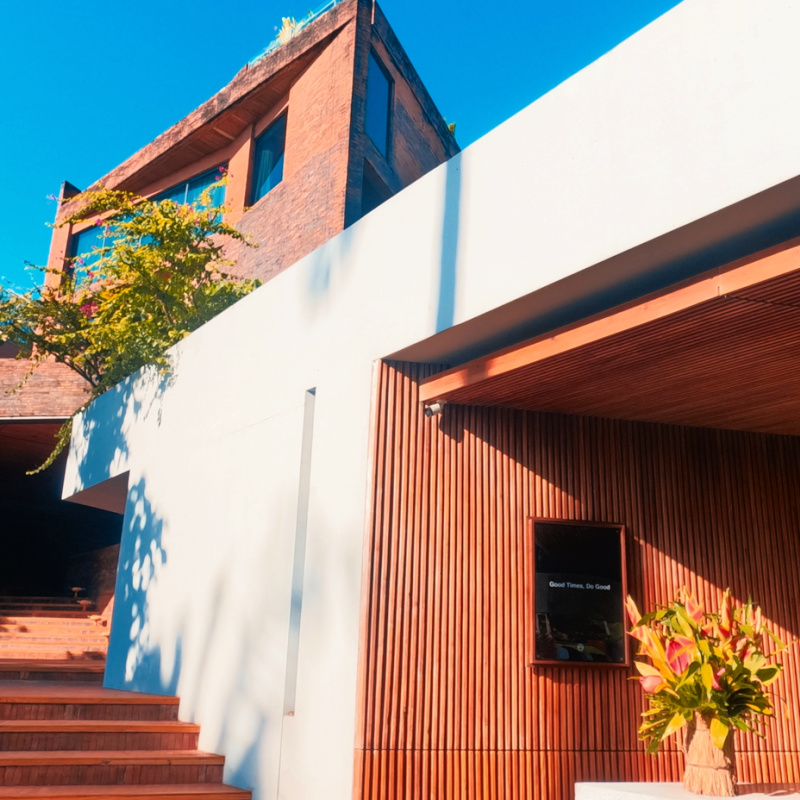
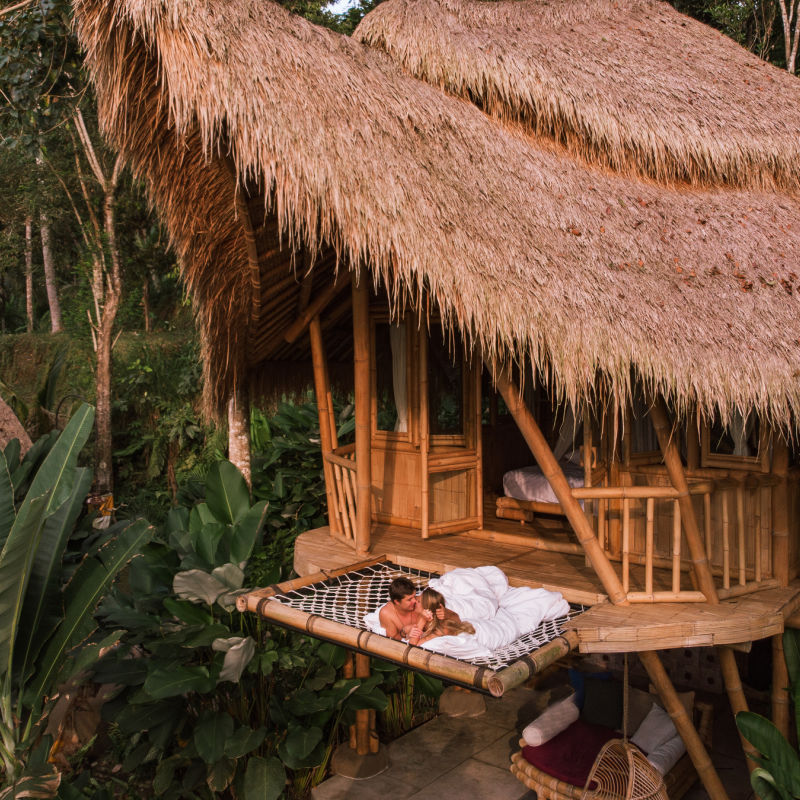
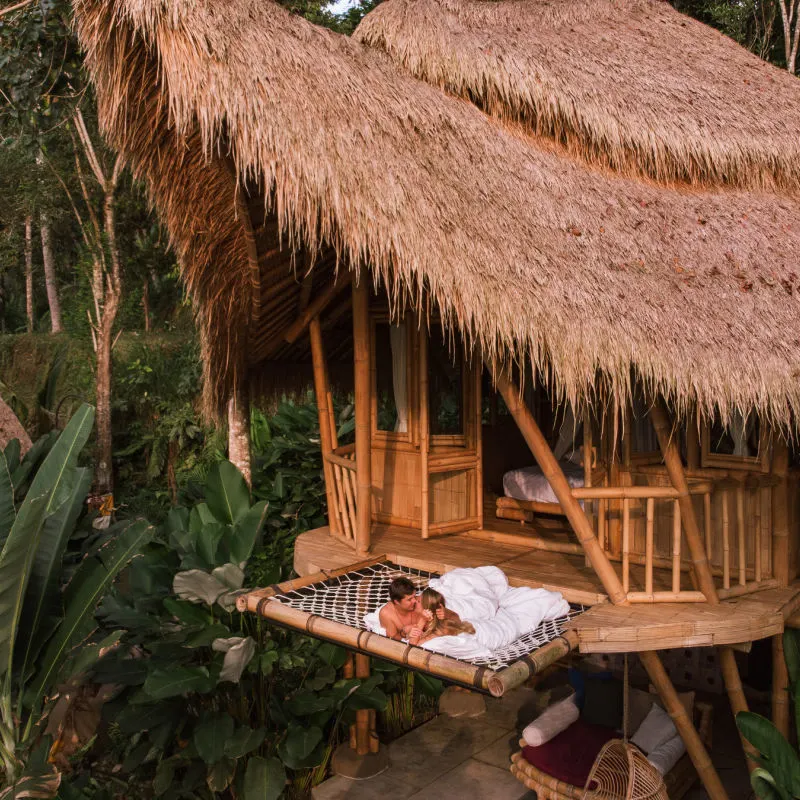
Another prime example of how eco-tourism doesn’t have to compromise on luxury is Bambu Indah. Located just outside of central Ubud in the traditional village of Sayan, Bambu Indah has pioneered eco-luxury hospitality in Asia.
Founded by John Hardy, who is also the founder of the Green School, Bambu Indah receives consistent international acclaim for its outstanding hospitality, stunning architecture and interior design, and environmentally sustainable and regenerative practices that benefit both guests, the local community, and the surrounding landscape.
In terms of travel experiences, eco-tours are a fantastic way to connect with local culture and the wider landscape. Tourists really are spoilt for choice, and many of Bali’s educational, historical, and cultural tours are also, incidentally, eco-tours. Take Ubud Story Walks, for example.
This team of uber enthusiastic local tour guides leads walks through Ubud’s most important cultural landmarks. By exploring on foot, the tour is inherently eco-friendly but also allows tourists to slow down and connect with their surroundings in a more meaningful way.
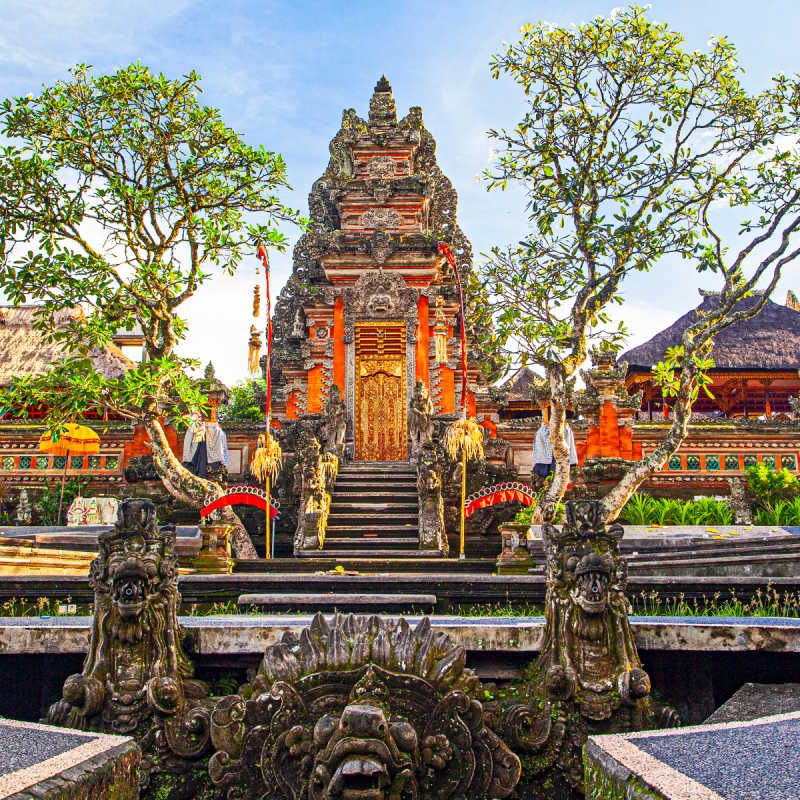
Unmissable experiences with Ubud Story Walks, including Ubud’s Journey from Past to Present. As described by the Ubud Story Walks team, the 3-hour tour is a chance to connect with a secret side of Ubud that is hidden in plain sight.
The team explains, “At first glance, Ubud’s bustling main street seems like an odd place to search for ‘Old Bali” but it’s there if you know where to look. A royal gate built by a 116-year-old sculptor. A magical meeting between two rivers. A multi-tiered shrine to the gods. A testament to the early alliance between Balinese and Western artists. This walk will explore the old among the new, as we travel through ‘modern’ Ubud in a quest to uncover the past. Along the way, we’ll discuss the development of this area from the suburbs to the hub of downtown Ubud.”…you can count us in!
For the latest Bali News & Debate Join our Facebook Community
Plan Your Bali Holiday:
Book The Best English Speaking Drivers For Airport Transfers & Tours
Discover more from The Bali Sun
Subscribe to get the latest posts sent to your email.