
Bali’s tourism industry is the island’s most important economic sector. With more than 60% of the province’s GDP coming from the travel and tourism sector, the industry and its stakeholders have an influential voice on issues on the island.
Bali’s waste management problems are no secret, and now the hotel and accommodation sector is beginning to discuss them more publicly.
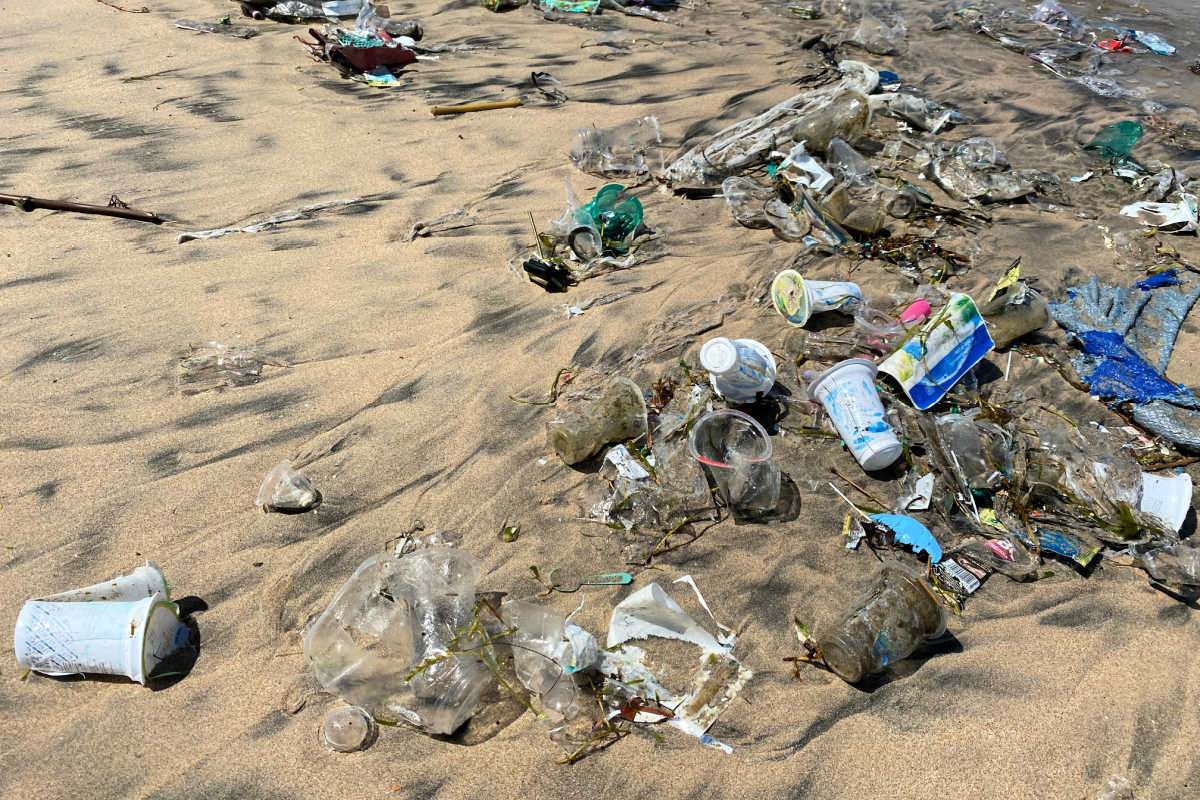
With Bali’s biggest open landfill not accepting mixed or organic waste, and the site expected to close once and for all by the end of July 2026, Bali is now facing an increasingly concerning problem.
With the Suwung TPA landfill site closing, and others like it set to be allowed, there is nowhere for the island’s trash to go. Recycling and mass composting facilities are available, but do not have the capacity to handle all of the island’s trash.
The province is expected to receive a new Waste to Energy Facility (PSEL), but construction won’t start until June at the earliest, and the project is expected to take 18 months to complete.
Bali’s public image as a world-class tourism and investment destination is of the utmost importance to the province and to Indonesia as a country. With trash burning and illegal dumping increasing in recent weeks, even hitting international headlines, private companies in the tourism sector are now coming forward, calling for urgent action and much-needed support.
The new policies that have come into effect have had a serious impact on local businesses, hotels, cafes, and restaurants, especially those that have had to change their internal waste management protocols with very little support from the local government.
A collection of local businesses, including hotels, restaurants, cafes, malls, and even villas, have spoken to reporters about their concerns that the new policies and landfill closures were implemented too quickly and without adequate system preparation and technical outreach.
Speaking to reporters, Gede Nick Sukarta, Secretary of the Indonesian Hotel and Restaurant Association (PHRI) Badung, shared that though Bali’s tourism industry fully supports waste management efforts to help secure the island’s image as a global destination, policy implementation must be realistic, gradual, and involve support for all stakeholders, businesses, local residents, and tourists alike.
Sukarta shared, “The tourism industry doesn’t oppose waste management regulations. We understand that cleanliness is the face of Bali and part of the Tri Hita Karana philosophy. However, implementation on the ground must be accompanied by clear education, system readiness, and fair distribution of responsibilities.”
He added, “Many association members have not received detailed technical guidance regarding sorting standards, organic and non-organic management, success indicators, and evaluation mechanisms. Even in the field, some officers are still unable to fully explain technical solutions.’
Sukarta explained that members of the PHRI Badung believe that a law enforcement approach that places too much emphasis on the threat of sanctions has the potential to put significant pressure on the tourism industry, which is still recovering from the pandemic and adapting to an ever-changing market and global geopolitical climate.
He said the situation is reminiscent of the introduction of the CHSE certification implementation several years ago, when businesses were forced to adapt quickly, without much clarity or support.
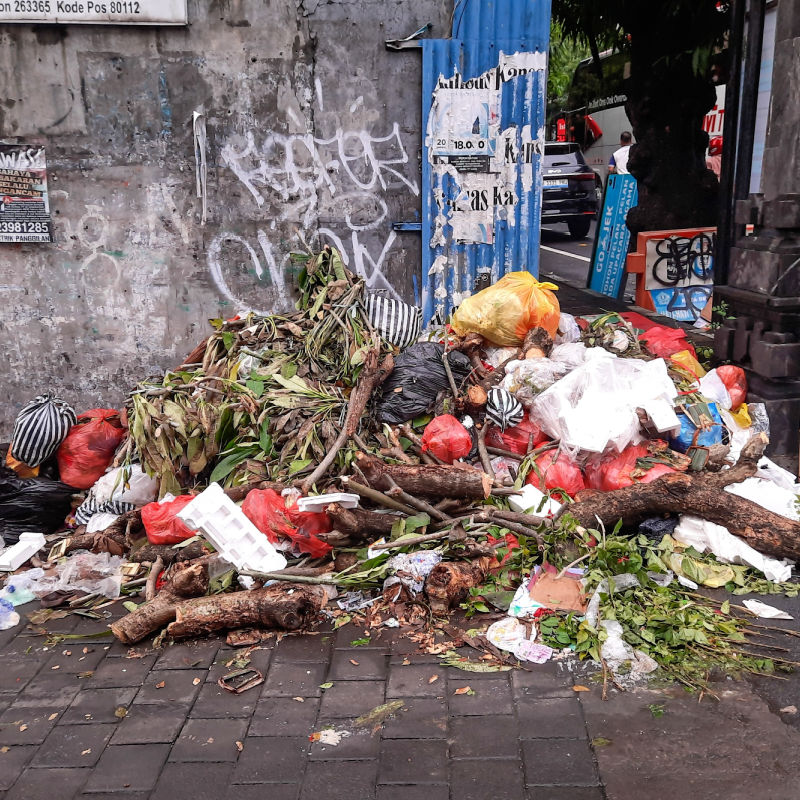
He explained, “If the implementation is too forceful without adequate infrastructure and support, it could certainly disrupt the operations of hotels, villas, and restaurants. Investors may also view Bali as a region whose regulations are not yet systematically ready.”
The trash problem in Bali is no joke, and something that tourists are already experiencing firsthand. The volume of waste produced in the Badung and Denpasar regions is said to reach around 1,800 to 1,900 tons per day. This includes destinations like Canggu, Seminyak, Legian, Kuta, Jimbaran, Uluwatu, Nusa Dua, and Sanur.
Approximately 70 percent is organic, while the remainder is non-organic, some of which has the potential to become raw material for Waste-to-Energy Power Plants (PSEL). Last week, the PHRI confirmed that a collection of hotels is coming together to pool funds to purchase an organic incinerator that can transform organic waste into compost in just 6 hours.
Sukarta was clear, however, that the government must do more to support the tourism sector, its employees, and ultimately tourists in this situation; without practical and urgent action, protests could be the only next step for local businesses to have their voices heard.
He explained, “Demonstrations should be a last resort. What’s more important now is to unite the associations, conduct an official industry study, and then propose hearings with the local government, the Regional People’s Representative Council (DPRD), and the Ministry of Environment and Forestry.”

Sukarta remains hopeful, however, concluding “If managed properly, the waste issue could actually become a momentum for Bali’s transformation into a world-class, green tourism destination.”
For the latest Bali News & Debate Join our Facebook Community
Plan Your Bali Holiday:
Book The Best English Speaking Drivers For Airport Transfers & Tours
Discover more from The Bali Sun
Subscribe to get the latest posts sent to your email.
Steve bmi
Friday 15th of May 2026
It's not the resorts dumping rubbish
Exp
Wednesday 13th of May 2026
Secretary of the Indonesian Hotel and Restaurant Association (PHRI) Badung want gov. to do more?
He must have missed that Koster was in the news a few days ago stating Bali have no funds for major projects.
Our villa purchased our own electric pre-compost machine reducing organic waste volume by factor 10 or more leaving a dry and odour free material we send onward to a compost company in north Denpasar.
We also pay for pick-up of garden waste for compost use.
Whatever can be cleaned and used for re-cycling is also picked up.
The hotels and restaurants can do the same, but they want someone else to pay.
Many restaurants are really lazy and greedy using plastic cups for in house dining to save on doing the dishes. Now it is time to minimize their waste production.
M
Saturday 16th of May 2026
@Exp, he's always stating there's no money for major projects. He should tell once where 6 million tourists money,thousands of 10% pbjt money from hotels and villas, all the money coming from the vehicles and many more money is going. I hardly believe he spend it all to untangle electricity wires! 🤦🏻
Thommo
Wednesday 13th of May 2026
However, implementation on the ground must be accompanied by clear education, system readiness, and fair distribution of responsibilities.” The governance have only had 3 to 4 decades to be ready or deal with this issue. And their impetus and actions have been non existent. Koster is a joke.
M
Wednesday 13th of May 2026
Education of elementary manners and attitude, as well of teaching the people how to recycle properly is the main goal to reach the result of a sustainable waste system. But that's a long way until there and honestly until now I don't see the politicians aiming for it (their priorities are clearly somewhere else). And honestly with the complete closure of the landfill I'm smelling something fishy. Wanna see if there isn't popping up suddenly a investor who wants to clean up the landfill fo the 'good sake' of the island...
Exp
Wednesday 13th of May 2026
@M, Clean up the landfill? Landfill mining is possible taking out material that can be used as fuel. However, the current plan for waste to energy plant capacity will not even be sufficient for today waste volume.
Bali Keith
Wednesday 13th of May 2026
Bali time: 18 months = 4 years!! And when (or if) they finally get it up and running, where will all this compost go?? All our rice paddy land is turning into villa & hotel space!! Great long term planning!!