
One of Bali’s most famous rice terrace landscapes is at the centre of a development controversy.
The famous Jatiluwih Rice Terraces in Tabanan Regency have seen a sudden, sharp drop in visitors after farmers began protesting against the government’s latest rulings over spatial planning laws.
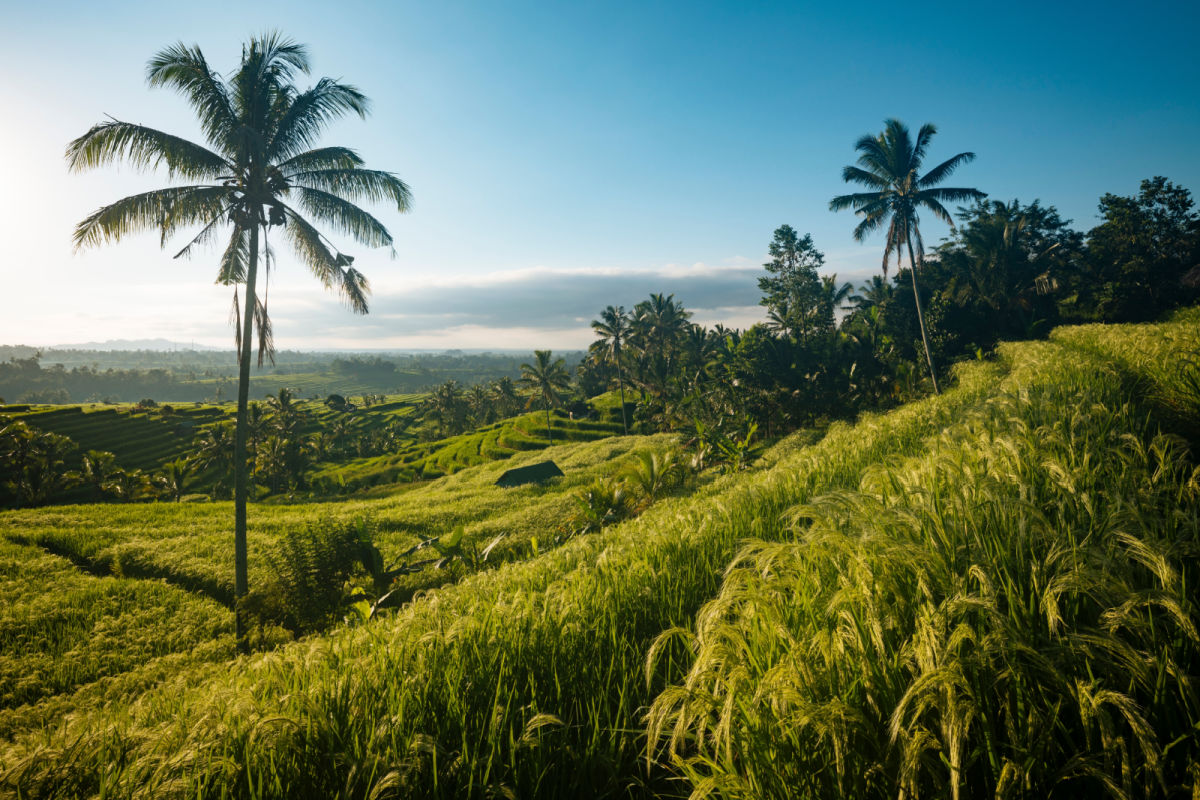
In early December, a series of metal sheets was installed across the Jatiluwih Rice Terrace landscape by local farmers as part of a protest against the government’s decision to issue demolition notices on a series of buildings constructed within the landscape.
Local farmers are concerned that the demolition notices are unjust, and that these simple farm buildings and local warungs are being ordered to be removed, and that bigger developments could move in in the near future.
The controversy started after 13 buildings within the Jatiluwih Rice Terrace area were issued with removal orders after an investigation found a series of spatial planning regulations had been violated.
In early December, the land owners were issued with the third round of warning letters, SP3 notices, stating that the illegal buildings must be removed, or else government demolition teams would be brought in.
In protest, farmers installed insightfully metal sheets on wooden poles across the landscape to obscure the view for tourists and prompt action from the local government.
Speaking to reporters, Nengah Darmika Yasa, said the installation of the iron sheets is not only an act of peaceful protest but also a way to preserve this World Cultural Heritage Site and working rice paddy from tourism development and commercialisation.
He explained, “It’s not a demonstration, it’s a way to preserve it. We’re being called environmental destroyers on social media. Which environment are we destroying?”
He shared his distress that the building on his land, which has been given demolition orders, has been built on private land and houses a small business that pays all of the relevant taxes.
Yasa explained, “I’m a farmer, and I want to enjoy the development of tourism in my own area by opening a food stall. If I rely solely on farming, how much income can I get? Honestly, I’m shocked and disappointed by the government’s closure.”
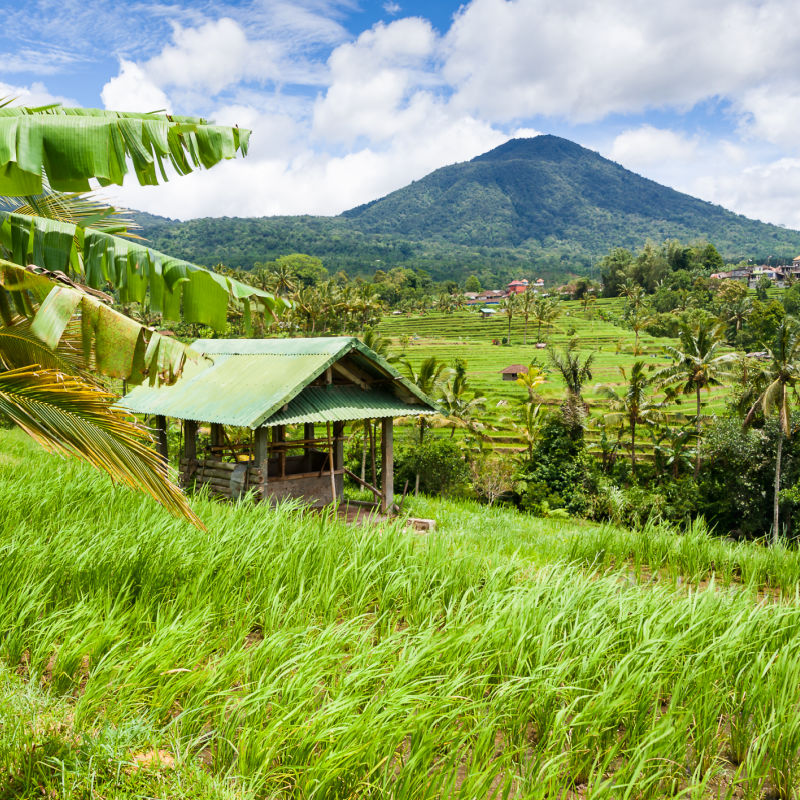
In response to the issue, the Regent of Tabanan, Komang Gede Sanjaya, confirmed on Monday, 8th December, that the regency government will implement a new zero-tax policy on rice fields within the Jatiluwih subak area starting in 2026, to help local farmers who are struggling to make ends meet. However, fast forward two weeks, and the controversy is escalating and impacting tourism.
The Operations Manager of Jatiluwih Rice Terraces, Ketut Jhon Purna, has spoken to reporters about the 80% decline in visitors in recent weeks.
He confirmed that tour groups have been cancelling visits, fearful that the demonstrations by farmers would negatively impact their trip. Purna told reporters, “On the 22nd, I also met with several travel agents. Especially European ones, and they’ve said they’ve stopped selling Jatiluwih. This is a very bad situation for Jatiliwuh.”
He continued, “We usually get 700-800 to 1,000 visitors during this low season. Now we’re getting 120-150…Now guests are afraid that they might hear demonstrations and all that, that’s why they’re afraid.”
Purna confirmed that the lack of visitors is not only impacting Jatiluwih Rice Terraces as a tourist attraction, but also local businesses in the area who rely on visitors to the landscape, such as cafes, local warungs, and accommodation in the village.
Work behind the scenes remains ongoing, and the government is committed to finding a solution that both supports farmers and upholds the law.
Purna explained, “The [Jatiluwih Tourism Attraction] hopes that the TRAP Special Committee, the Tabanan Regency Government, and the Village will work together. We’ll reduce the metal as soon as possible. We’ll discuss the legal issues surrounding the 13 individuals, so they don’t disrupt the entire Jatiluiwh community.”
He concluded, “When I see a situation like this, I am very pessimistic. I am very pessimistic that Jatiluwih will be completely destroyed if left unchecked. This is very disruptive.”
Counterintuitively, now is a great time to visit Jatiluwih Rice Terraces. With the attraction usually jam-packed with tourists, the site is feeling less crowded than ever.
While the metal sheets are unsightly, they do not obscure the view entirely; in fact, there are many great angles and viewpoints that tourists can enjoy. The farmers are not protesting against tourists, and Jatiluwih Rice Terraces remains open and welcoming of those who wish to explore the UNESCO World Heritage landscape.
For the latest Bali News & Debate Join our Facebook Community
Plan Your Bali Holiday:
Book The Best English Speaking Drivers For Airport Transfers & Tours
Discover more from The Bali Sun
Subscribe to get the latest posts sent to your email.
Shorty
Friday 26th of December 2025
How abot some relevant pics DM instead of generic padi pics.
Steve bmi
Friday 26th of December 2025
Leave the farmers alone especially if it's their land, the toilers the real backbone people of bali being shafted by beuacrats with sinister motives
Firechef
Friday 26th of December 2025
Typical Government interference into private affairs. It's the farmers land to do with as they wish.
Exp
Thursday 25th of December 2025
Access fee for foreigners to Jatiluwih is now IDR 75k (USD 4.5) a person. If around 250,000 foreign tourists visit the area annually. So total income should be around USD 1.1m. With around 500 farmers each should receive USD 180 or 3 Juta per month.
Who manages this income and do the farmers get their fair share of this income?