
Extreme weather warnings are in place across Bali until the 8th March 2026. With heavy rains forecast across Bali, and with the island only just starting to assess the scale of the damage from last week’s flooding, weather forecasters and local leaders are urging the public to be extra cautious when out and about.
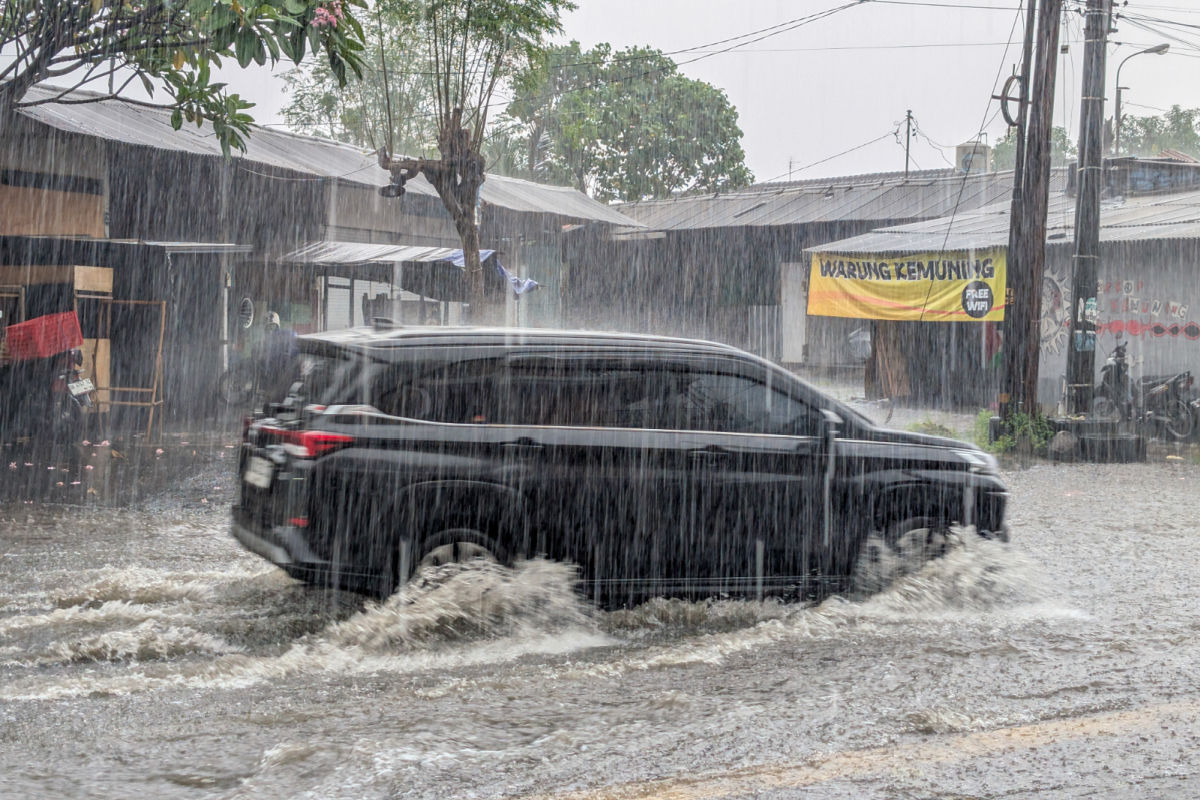
The heavy rains have been affecting all regions of Bali, including Denpasar and specifically Bali Airport. In the early hours of Thursday morning, a section of the ceiling at the international arrivals terminal collapsed as a result of the heavy rains.
The collapse landed on the wide corridor leading to the online taxi counter, while no one was injured and the damage was not too serious, the incident has served as a reminder to the public to be extra vigilant.
The Head of Public Relations of the I Gusti Ngurah Rai Airport Police, Ipda I Gede Suka Artana, told reporters, “The puddles of water that inundated the floor and the collapse of the ceiling of the building in the International Arrivals Terminal area were caused by rain accompanied by quite strong winds that poured down on the I Gusti Ngurah Rai Airport area.”
He added, “Meanwhile, airport service user activities at the international arrivals terminal are running normally as usual.”
Officials from the Bali Meteorology, Climatology and Geophysics Agency have reiterated the extreme weather warnings as issued on the 2nd March, and confirmed that wave heights are expected to reach more than 5m in the waters of South Bali. This includes Bali’s top surf spots like Uluwatu, Canggu, and Seminyak.
The BMKG has issued early weather warnings for strong winds in Badung Regency, Denpasar City, Jembrana Regency, Klungkung Regency, and Tabanan Regency. This includes destinations like Sanur, Nusa Dua, Jimbaran, Uluwatu, Kuta, Legian, Seminyak, Canggu, and Tanah Lot.
The compounding impact of this rainy season is starting show, from fallen trees to landslides, to sink holes and persistent flooding, almost every community in Bali can report damage from this rainy season. Typically, the dry season begins at the end of March and the beginning of April.
But with Cyclone Seed 90S, the cause of this week’s extreme weather warnings, it is uncertain if this rainy season will follow usual patterns. The rainy season, in fact, arrived more than a month early this year, with the worst floods in 70 years recorded back in September 2026. Typically, the first rains do not arrive until late October and early November.
Extreme Weather Alert
Cyclone Seed 90S is bringing intense heavy rains, flooding, and massive coastal swells to Bali. Tap a card for the latest on-the-ground reality and tourist safety advice.
DPS TERMINAL
Ceiling Collapse
TAP TO REVEAL5-METER WAVES
Dangerous Surf
TAP TO REVEALCYCLONE SEED 90S
Rain & Wind
TAP TO REVEALTOURIST ADVICE
Monitor the Updates
TAP TO REVEALSpeaking to reporters earlier this week about the extreme weather warnings, the Head of the Denpasar Region III Meteorology, Climatology, and Geophysics Agency (BBMKG), Cahyo Nugroho, explained: “BMKG has identified significant developments in atmospheric dynamics that have the potential to increase rainfall intensity in most areas of Bali.”
Nugroho explained, “Cyclone Seed 90S, which is currently in the Southern Waters of the Indian Ocean southwest of Banten, shows a pattern of movement eastward towards the Southern Waters of Bali, which has the potential to cause increased rainfall and wind speeds.”
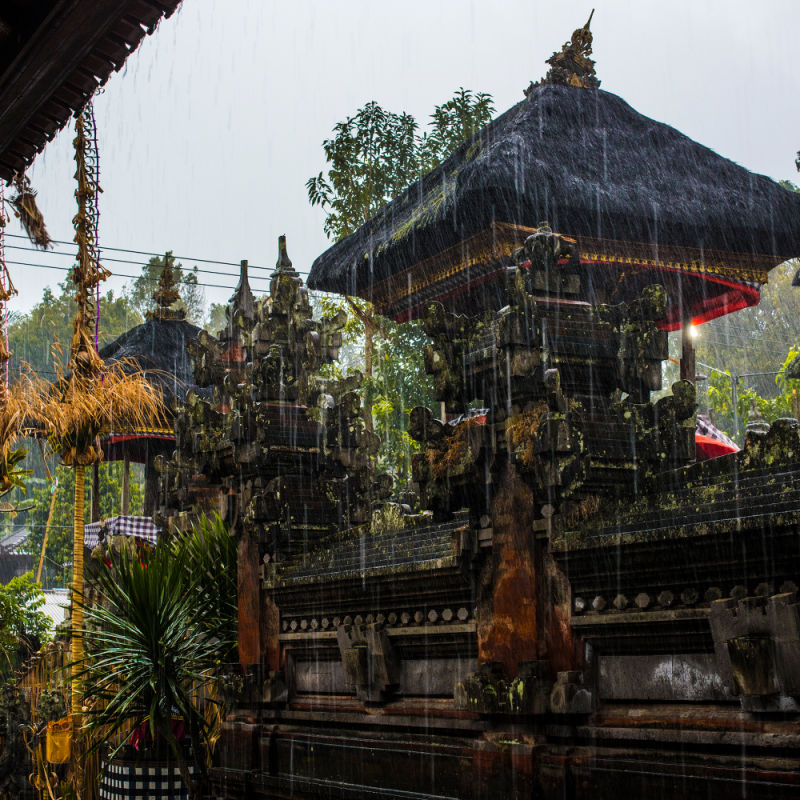
Adding “These areas are potentially affected by flooding, flash floods, and landslides, depending on the level of vulnerability of each area.”
“The public is urged to remain calm but vigilant and to take anticipatory measures to ensure daily activities can proceed safely and smoothly. Continue to monitor the latest information from the Meteorology, Climatology, and Geophysics Agency (BMKG).”
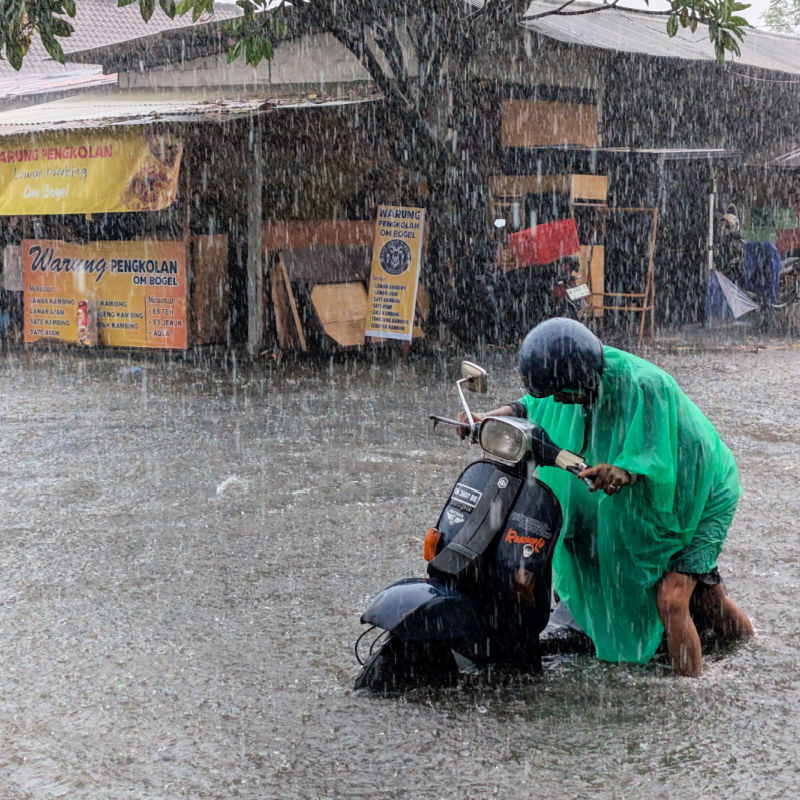
The BMKG Instagram publishes updates in both Bahasa Indonesia and English. Travellers in Bali in the coming weeks must keep a close eye on the weather forecast and be prepared to change travel plans based on the weather.
Tourists must be extra mindful of falling trees, flooding, and landslides, and to work cooperatively with local response teams in the event of an emergency.
Remove All Ads & Unlock All Articles… Sign up for The Bali Sun Premium


Plan Your Bali Holiday:
Book The Best English Speaking Drivers For Airport Transfers & Tours
Choose From Thousands of Bali Hotels, Resorts, and Hostels with Free Cancellation On Most Properties
Book Cheap Flights To Bali
Don’t Forget Travel Insurance That Covers Medical Expenses In Bali
For the latest Bali News & Debate Join our Facebook Community
SUBSCRIBE TO NEW POSTS
Enter your email address to subscribe to The Bali Sun’s latest breaking news, straight to your inbox.
Discover more from The Bali Sun
Subscribe to get the latest posts sent to your email.