
The Denpasar government program, Development of Waste Management to Electric Energy (PSEL), drew objections from an environmental organization in Bali.
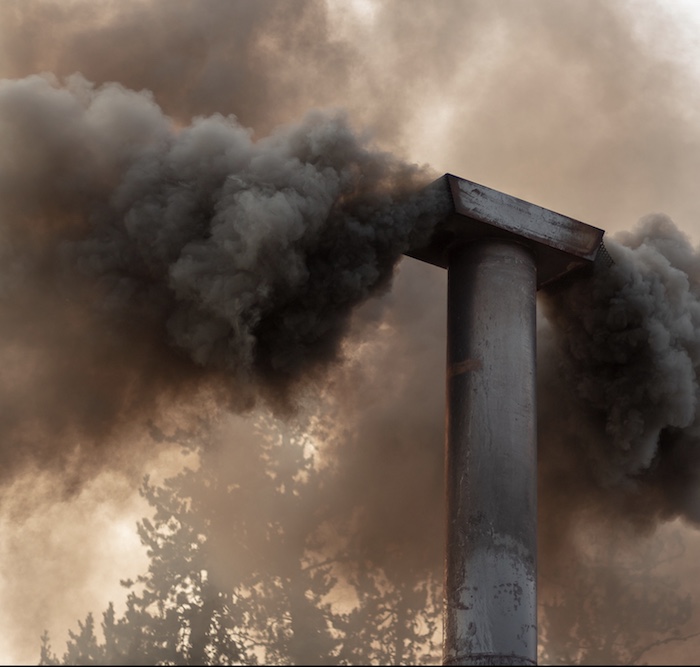
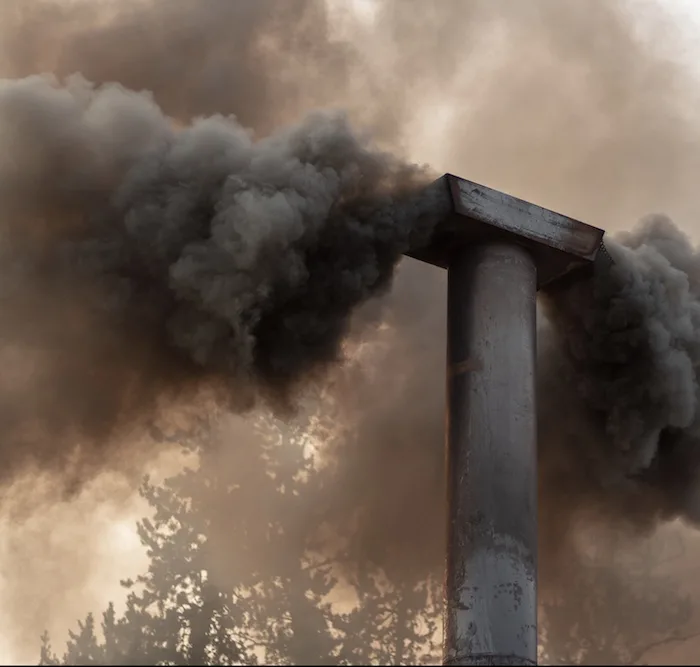
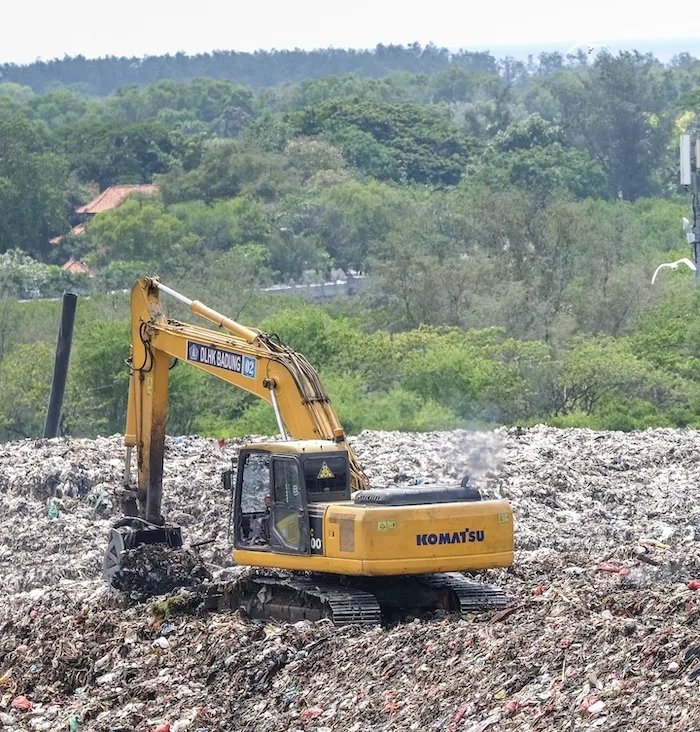
The program treats waste in the Suwung Landfill in Denpasar by turning it into electricity through the use of an incinerator (a waste burning device). The process releases toxins into the air causing air pollution and environmental hazards.
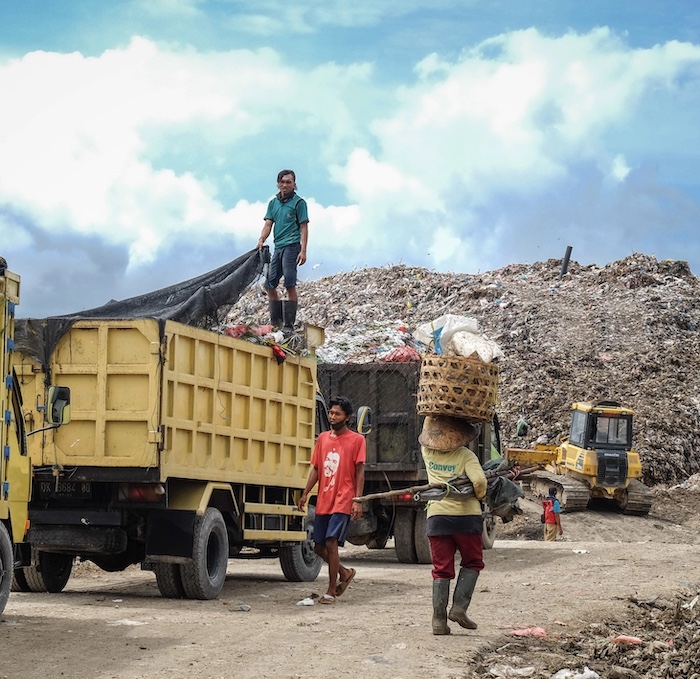
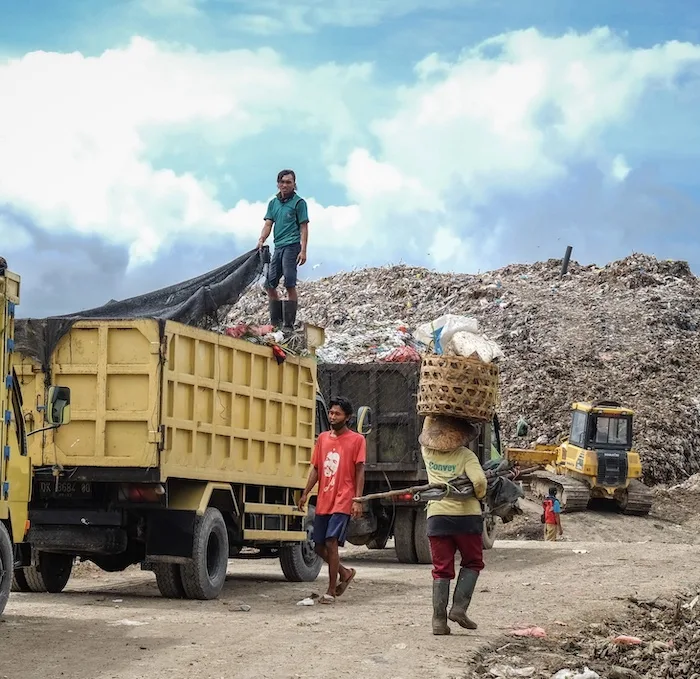
In response, the Indonesian Environment Activists (WALHI) questioned the safety of the program, adding that it would be harmful to people’s health.
Denpasar city government is currently at the preparation stage as progress has reached the environmental impact analysis.
During the latest meeting held on January 11/21 to discuss the project, WALHI was not invited to attend.
The Legal Manager of WALHI, Krisna Dinata, was disappointed in the government’s decision to not involve them in the crucial discussion.
WAHLI says as an environmental organization in Bali, they need to be involved in such matters.
“Despite not getting invited, we had to force our way into the virtual meeting because as an organization that promotes sustainable living in Bali we have a right to fight for this,” Krisna Dinata said on Thursday (11/2).
During the meeting, Dinata protested policies that could potentially harm the surrounding environment.
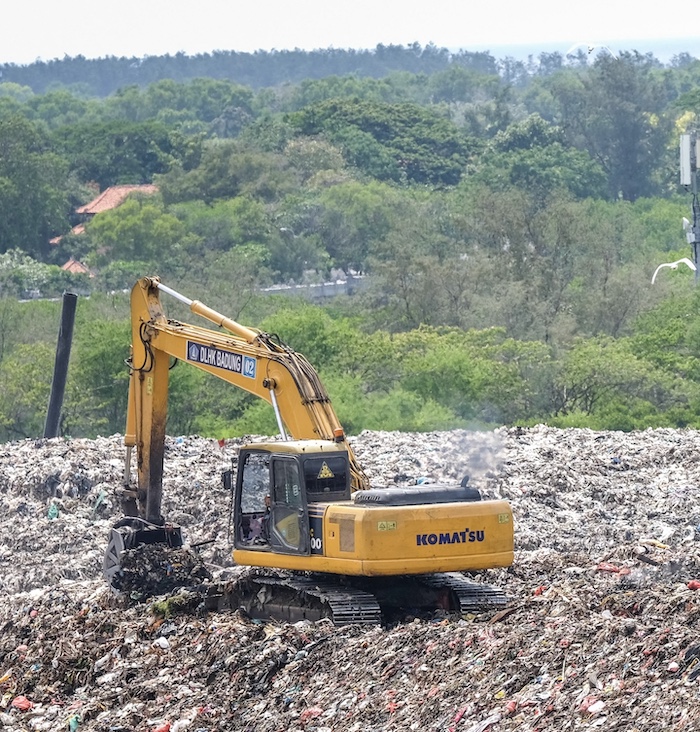
“The officials didn’t invite people from Tuban or Kuta that would be directly impacted by this incinerator process,” Dinata added.
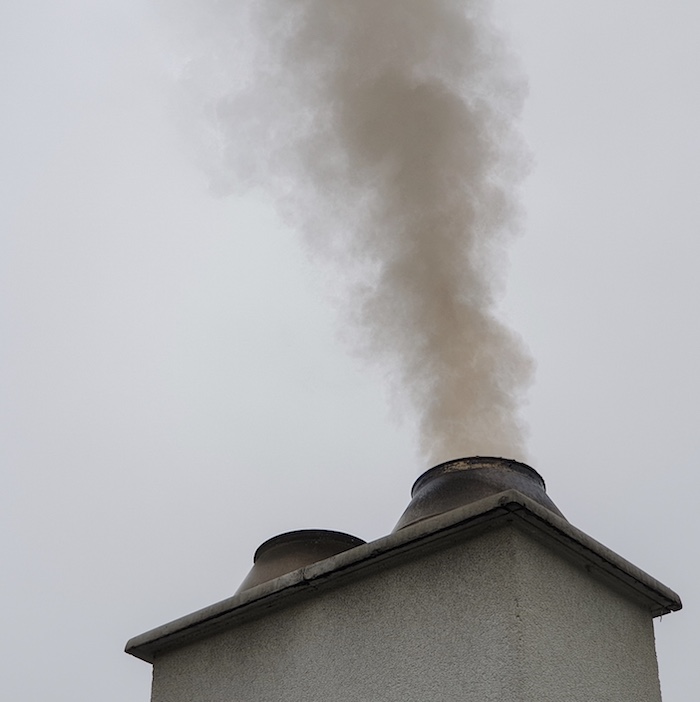
According to research from WAHLI, the gas from the incinerator’s combustion process could be dangerous to the health of residents in the area.
“The gas from the process could potentially lead to cancer and infertility, so we have to stop this before it’s too late,” Dinata concluded.
Read Today’s Breaking News Headlines In Bali
For the latest Bali News & Debate Join our Facebook Community


SUBSCRIBE TO NEW POSTS
Enter your email address to subscribe to The Bali Sun’s latest breaking news, straight to your inbox.
Discover more from The Bali Sun
Subscribe to get the latest posts sent to your email.
Mary Williams
Saturday 16th of May 2026
This highlights a difficult balance between waste management needs and environmental concerns in Bali. Turning waste into energy can help reduce landfill pressure, but the concerns raised by WALHI about air pollution and public health are also important to consider carefully.
I think the biggest issue mentioned here is transparency and public involvement. Projects that may affect local communities should include environmental groups and nearby residents in discussions from the beginning, especially when health risks are being debated.
I was recently reading some public welfare and environmental policy discussions on https://8171-web-portals.pk/ about how government programs and development projects work better when communities are properly informed and included in decision-making processes.
Overall, this shows why environmental planning requires both sustainable waste solutions and strong public accountability.
Buaya
Saturday 13th of February 2021
Can't they run the exhaust through a series of filters to clean it up a bit?
Wayan Bo
Saturday 13th of February 2021
Nuclear power plant can be dangerous too. - Perhaps back to petroleum lamps and generators like it was in early 1980's. - Geothermal and solar energy power plants can be solution too. - Wind parks are loud and killing birds.
Ian Klopper
Saturday 13th of February 2021
The impact on people's health is only one of the serious consequences of this process. There are hundred of scientific studies released that outlines drastic condition of the world environment. Most countries are working towards zero emissions and pollution. This process should not even be considered as an option by the authorities.
Lloyd Cooper
Sunday 14th of February 2021
@Ian Klopper,