
Wildlife and animal tourism have been a hot topic over the last few years. As tourists become more aware of welfare issues in the animal tourism sector, big changes have taken place, including reducing contact with animals and creating activities that give animals more freedom and less contact with visitors.
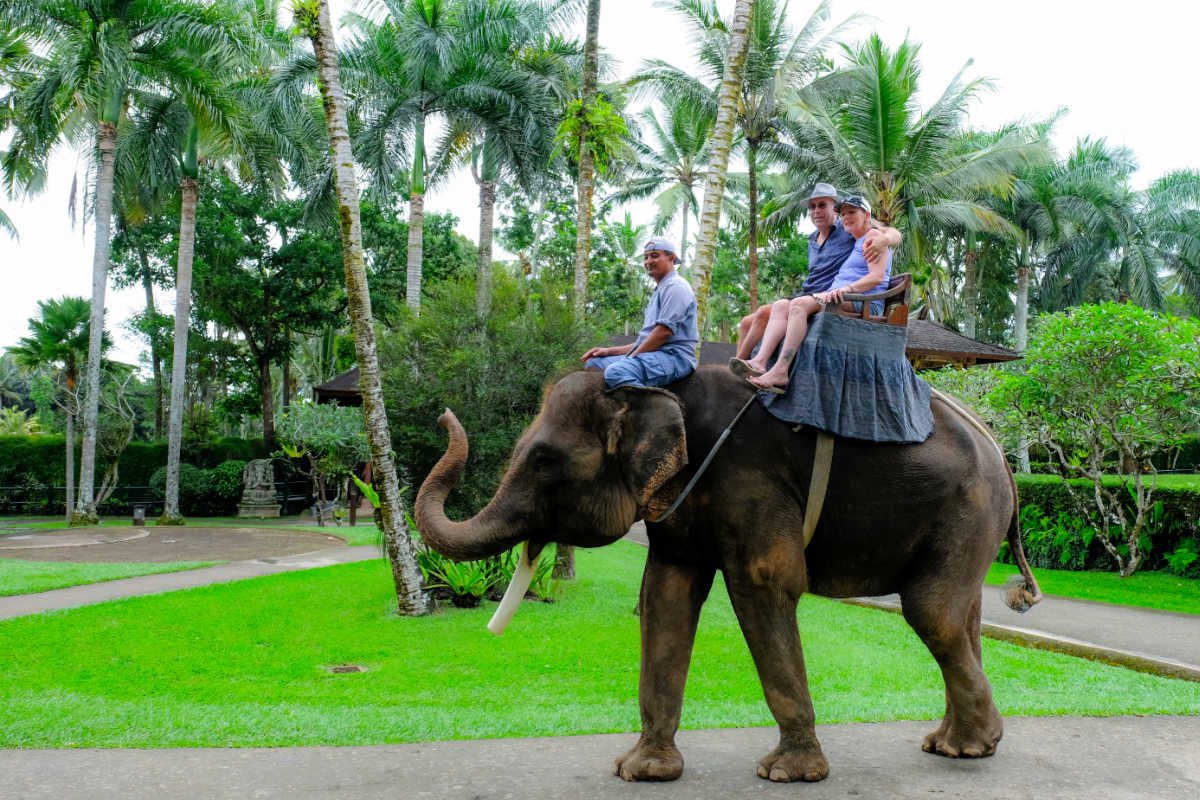
Indonesia is home to the critically endangered Sumatran elephant. While there have never been wild elephants in Bali, there are now 84 elephants residing in the province, under the jurisdiction of the BKSDA, across a number of facilities, including zoos and tourism parks.
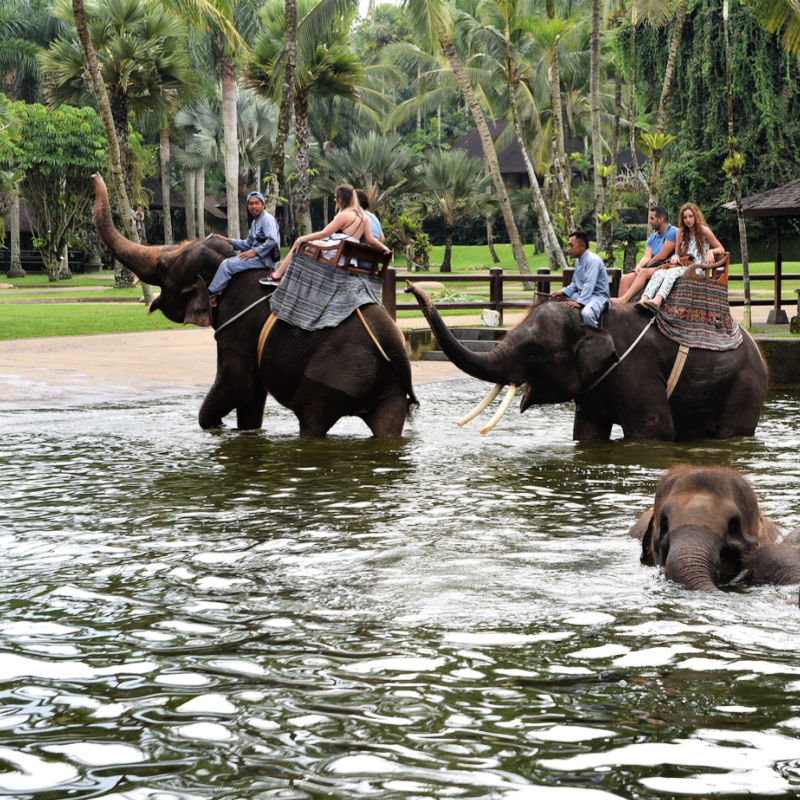
The BKSDA, which is the Bali Province Conservation and Natural Resources Agency, is calling on tourism attractions with elephants to start to shift away from elephant riding as an activity for tourists, to help improve welfare and ultimately the survival of the species.
The Head of the Bali BKSDA, Ratna Hendratmoko, told reporters, “Elephant management must be civilized, respectful because they are animals, equally created by God.” Many facilities in Bali and across Indonesia have been criticised for poor elephant management and low welfare standards.
Hendratmoko also called on tourists and the public to play an active role in supporting the welfare of the Sumatran elephants by opting to engage with programs that support ethical elephant tourism practices and avoiding viral travel trends that can harm the elephants, both physically and psychologically.
Elephant riding is often deemed one of the most abusive forms of work for captive elephants. This is because of a multitude of reasons.
Oftentimes, elephants are overworked, giving back-to-back rides to tourists for hours without sufficient time to rest or engage in natural behaviors. Riding elephants often wear ill-fitting saddles that cause sores and injuries to their spines. Many elephant keepers frequently overuse the bullhook, causing injuries to the ears and head.
The bullhook is meant to be used only in emergency situations to help control an elephant, but all too often it is used persistently as the primary method of controlling an elephant’s movement.
Most elephants in Bali are also kept on inorganic substrates like concrete, which can damage their feet, and are also chained for long hours, which prevents natural movement.
Elephants are not given sufficient access to browsing, natural feeding, or enrichment within their environment.
Hendratmoko said that elephant tourism attraction managers must work to create more ethical, high-welfare tourism programs that ensure a better life for Bali’s elephants and a more engaging experience for tourists. These kinds of ethical tourism programs can be seen in many countries across Southeast Asia.
For example, in Thailand, tourists can visit truly ethical elephant sanctuaries, such as Boon Lott’s Elephant Sanctuary. In Nepal, tourists can stay at Tiger Tops, a hotel with resident elephants living chain-free. However, there are no true elephant sanctuaries in Bali.
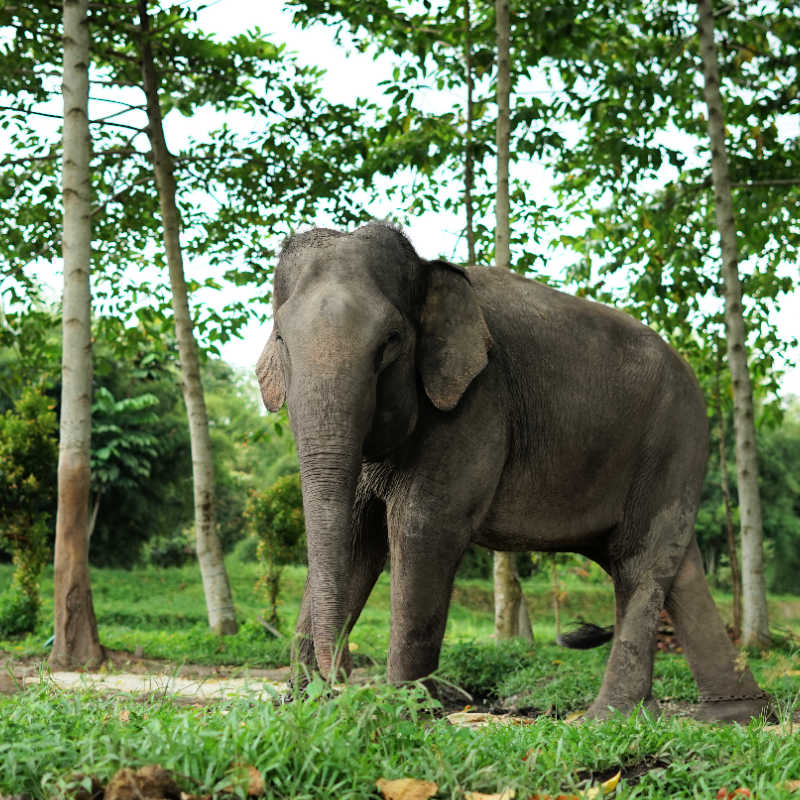
Hendratmoko explained, “We hope they will gradually reduce and eliminate the use of riding elephants periodically. Hopefully, this situation will serve as a lesson, especially for riding elephants.” He confirmed that the BKSDA team will continue to provide technical guidance to the five facilities that house Bali’s 84 elephants, to ensure that welfare standards increase.
Previous investigations found that there are no ethical wildlife tourism attractions in Bali. Animal welfare NGO World Animal Protection conducts undercover investigations of wildlife tourism attractions across the world, and the most recent round of assessments in Bali, conducted in 2023, found that there were no ethical facilities in Bali, nor in Lombok.
World Animal Protection issues renewed guidelines to help tourists make informed decisions about the facilities and venues they support while on vacation. The Head of Campaigns at World Animal Protection, Suzanne Milthorpe, explained to reporters the findings of the investigation.
She revealed, “What we found was no wildlife entertainment venue in Bali met good welfare standards for animals in captivity, and most didn’t even meet the basic needs.”
The investigation assessed twenty-six animal tourism venues across Bali and Lombok, which are responsible for the care and welfare of over 1,300 animals, including all of the BKSDA’s 84 elephants. According to the findings of the investigation, “nearly all did not meet the most basic needs of the animals held captive.”
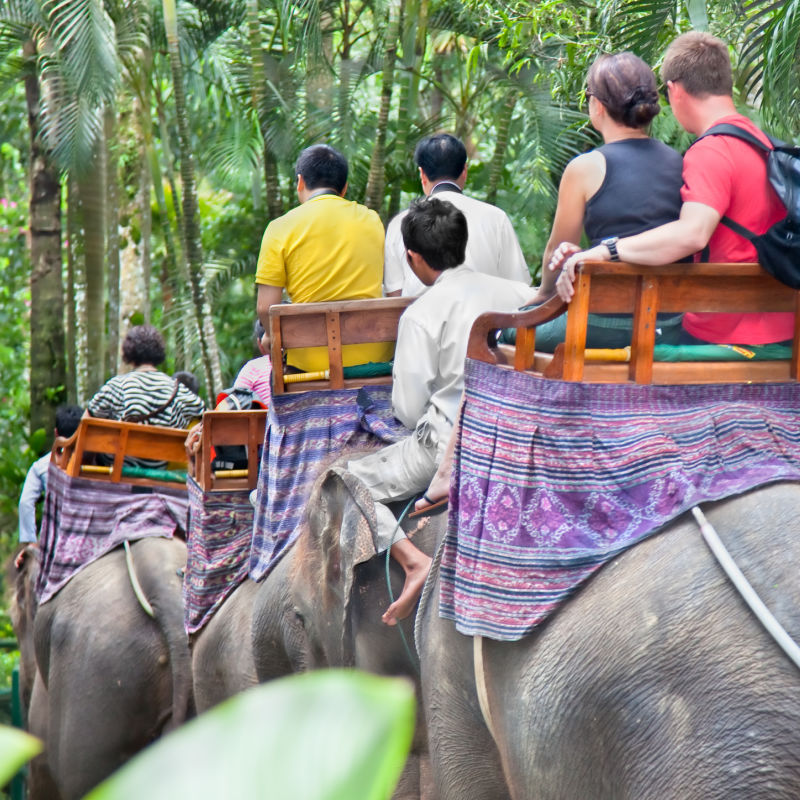
Ten of the venues assessed during the undercover investigation are categorized as wildlife entertainment venues and include Mason Elephant Lodge, Bali Zoo, Bali Safari Marine Park, and Bali Exotic Marine Park.
Remove All Ads & Unlock All Articles… Sign up for The Bali Sun Premium


Plan Your Bali Holiday:
Book The Best English Speaking Drivers For Airport Transfers & Tours
Choose From Thousands of Bali Hotels, Resorts, and Hostels with Free Cancellation On Most Properties
Book Cheap Flights To Bali
Don’t Forget Travel Insurance That Covers Medical Expenses In Bali
For the latest Bali News & Debate Join our Facebook Community
SUBSCRIBE TO NEW POSTS
Enter your email address to subscribe to The Bali Sun’s latest breaking news, straight to your inbox.
Discover more from The Bali Sun
Subscribe to get the latest posts sent to your email.