
Bali’s tourism fees have sparked debate across the island this week. While Bali is one of the more affordable destinations in Asia, the increasing number of fees, levies, and taxes has begun to frustrate some tourists and raise concerns among local leaders.
Here at The Bali Sun, we’ve been keeping an eye on the conversation, and this is what you need to know.

Though it is still possible to find a room for the night for as little as USD 10 in Bali, and some meals cost a fair local rate of the equivalent of a couple of dollars for a nasi goreng or gado-gado, the questions doing the rounds right now are: Is Bali affordable anymore? Is the island offering value for money? Is it fair to charge entry fees for whole destinations, on top of tourism taxes and visa fees?
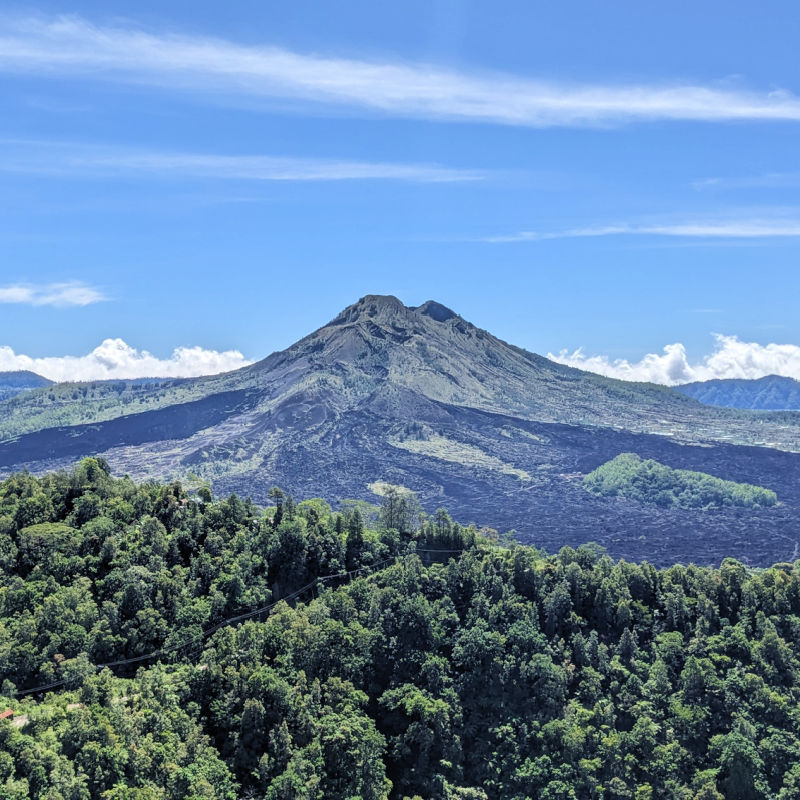
The conversation was sparked after a tourist questioned whether or not the tourism levies charged in the Kintamani Special Tourism Area (KSPK) are legitimate. It is.
International tourists visiting the Kintamani Special Tourism Area must pay IDR 50,000 at one of the entry points to the area, and domestic tourists are charged IDR 25,000. This is also the case for Bangli Regency’s other official destinations, including Penglipuran Village and Trunyan Village.
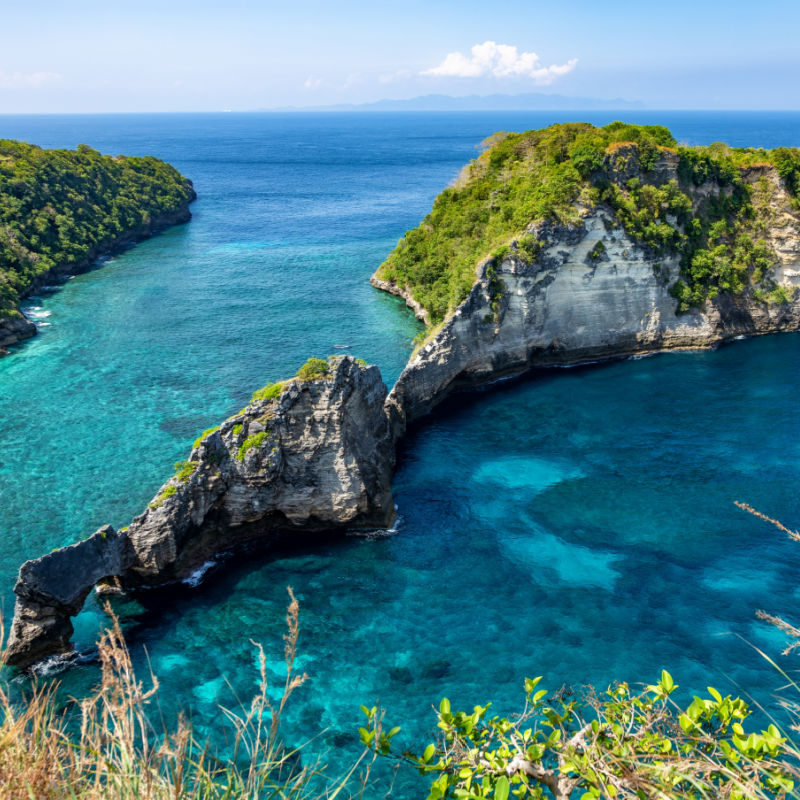
The fees charged at the Kintamani Special Tourism Area are similar, in principle, to those charged upon entry to Nusa Penida. These are area-wide entry fees that come in addition to entry tickets charged at specific attractions and cultural landmarks.
With the vast majority of international tourists already required to pay IDR 500,000 for their 30-day tourism visa, in addition to the mandatory IDR 150,000 fee for the Bali Tourism Tax Levy, both leaders and tourists are asking whether these fees are fair or offer value for money for tourists.
Speaking to reporters this week, the Head of the Center for Tourism Excellence (PUPAR) of the Udayana University Institute of Tourism (LPPM), Prof. Ir. AAP Agung Suryawan Wiranatha, MSc., PhD., said that the entry fees on destinations like Nusa Penida and Kintamani will not significantly impact tourist interest, especially international tourists.
He noted that most tourists are aware of the fees and thoroughly research their itineraries, and in turn their budgets, prior to traveling to Bali, and these must-visit destinations. Wirantha shared, “If we look at tourists now, many come alone, not through tour packages. They already know ticket prices online. So, for example, if the entrance fee is IDR 25,000 to IDR 100,000, it’s actually not that big a deal for foreign tourists.”
Though he was clear that if tourists have paid for entrance fees, destination managers and local governments are obligated to provide adequate facilities. These facilities include clean and well-kept public toilets, proper road access, shade and rain shelters, tourist information centers, and staff who can help tourists when they are in need of assistance.
Bali Travel Costs

As an example, he feels that attractions and destinations like Nusa Penida and Kintamani should be looking to implement facilities that are at least on par with three-star hotels, especially for basic facilities such as toilets, area cleanliness, and tourist safety.
Wirantha explained that these fees can be defended as necessary, provided the funds are also used to create insurance policies and infrastructural upgrades. He explained, “If tourists have already paid for their tickets, it’s best to include insurance. For example, coverage of up to IDR 100 million. This provides a sense of security for tourists, and the management also has a responsibility.”

He continued, “If you’ve paid the destination fee, the road to the destination must be in good condition and free of potholes. Public restrooms must be clean. There must be shelter and other public facilities. That’s what constitutes a destination, not just a tourist attraction.”
Wirantha clarified that destination entry fees are different from the Bali Tourism Tax Levy and that this should remain the case. He noted, “Here’s actually no overlap. Destination fees cover the management of tourist areas and their facilities, while the foreign tourist fees cover the overall preservation of Balinese culture.”
He concluded, “Tourists have no problem paying, as long as there are clear facilities and services. What’s not allowed is paying for facilities that are either non-existent or poorly maintained.”
Our advice for tourists travelling to Nusa Penida is to pay the entry fee at their departure port when possible. For example, paying the fee at Sanur Port before departure saves time on arrival. For paying the fees to the Kintamani Special Tourism Area, paying at the drive-by kiosks en route is the easiest option while the new digitalised system is in the pipeline.
Remove All Ads & Unlock All Articles… Sign up for The Bali Sun Premium


Plan Your Bali Holiday:
Book The Best English Speaking Drivers For Airport Transfers & Tours
Choose From Thousands of Bali Hotels, Resorts, and Hostels with Free Cancellation On Most Properties
Book Cheap Flights To Bali
Don’t Forget Travel Insurance That Covers Medical Expenses In Bali
For the latest Bali News & Debate Join our Facebook Community
SUBSCRIBE TO NEW POSTS
Enter your email address to subscribe to The Bali Sun’s latest breaking news, straight to your inbox.
Discover more from The Bali Sun
Subscribe to get the latest posts sent to your email.