
Cultural and spiritual tourism is, to this day, one of the biggest reasons why tourists visit Bali. The province is home to some of the most sacred sites in all of Indonesia, and Balinese Hindu spirituality influences the day-to-day life of communities across the island.
For tourists seeking an authentic spiritual pilgrimage while in Bali, summiting Mount Agung is a good place to start.
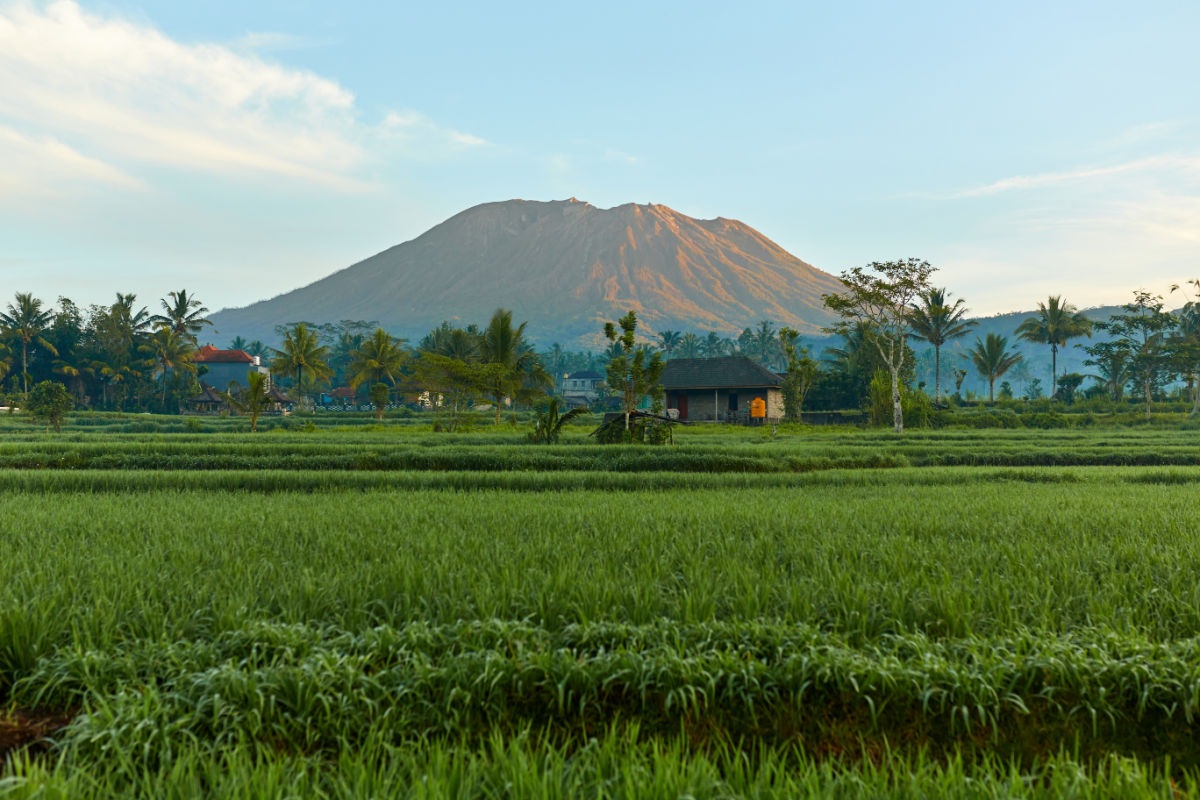
Most tourists visiting Bali who are seeking a spiritual reset while in Bali opt to take part in a Melukat ceremony. The traditional Balinese water purification ceremony can be participated in at many temples across the island, but the most famous of all is Tirta Empul Temple.
A Melukat ceremony involves immersion in Bali’s holy spring waters as worshippers make prayers, set intentions, and give offerings to Balinese Hindu deities, cleansing away negative energies and clearing the mind, body, and soul for a new chapter.
The Melukat is a beautiful ceremony that can be participated in by anyone of any faith. The gentle purification of the waters is one of the reasons why millions of people take part in the ceremony every year.
There are many different ways that spiritual purification and spiritual alignment can be experienced in Bali, some more physically demanding than others. For those who find inner presence and emotional catharsis through physical endurance, then summiting Bali’s sacred Mount Agung may be the pilgrimage of choice.
As Bali’s highest peak, Mount Agung sits at 3,142m, or more than 10,000ft above sea level. The hike to the summit of the sacred peak is no easy feat, with the added danger that Mount Agung is, in fact, an active volcano.
A trek to the summit of Mount Agung takes 8-12 hours, depending on the conditions and the fitness level of the hiking group. This is a technically difficult and challenging hike that should not be underestimated. Much of the hike is completed under the cover of darkness as trekkers typically summit the volcano as the sun rises.
As with all mountain and volcano hikes in Bali, and in fact all of Indonesia, it is a legal requirement for trekkers and hikers to be accompanied by a licensed local guide.
Despite the ever-present urban myths that it’s possible to hike both Mount Agung and Mount Batur without a guide, and there always seems to be some tourists sipping a Bintang in a beach bar somewhere in the south who claim to have summited alone, nothing could be further from the truth.
In fact, here at The Bali Sun, we’ve had to report on far too many cases of the deaths and injuries of tourists who have attempted these hikes without a guide. It’s just not worth it.
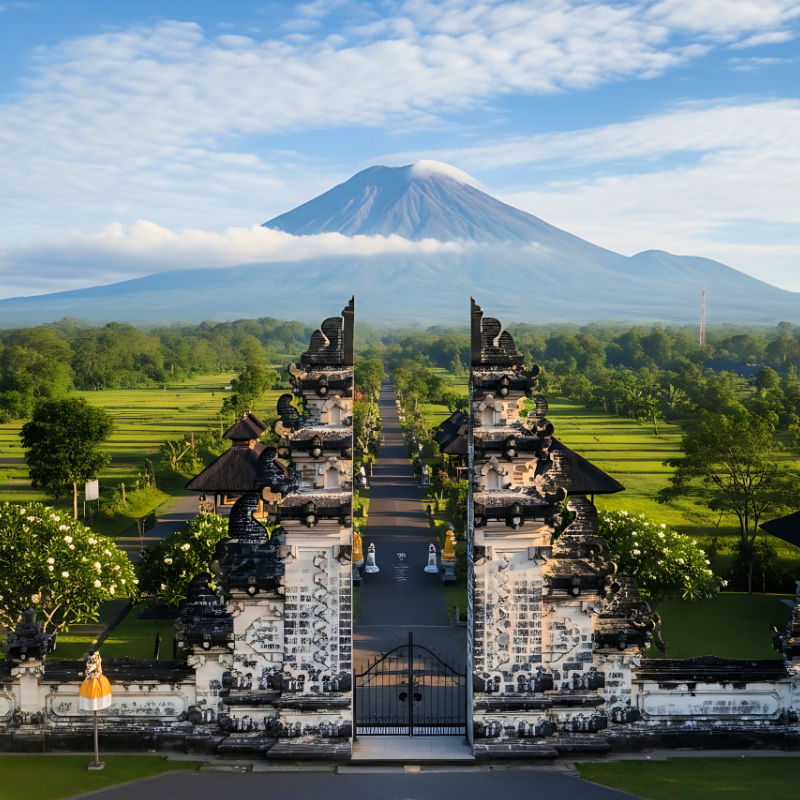
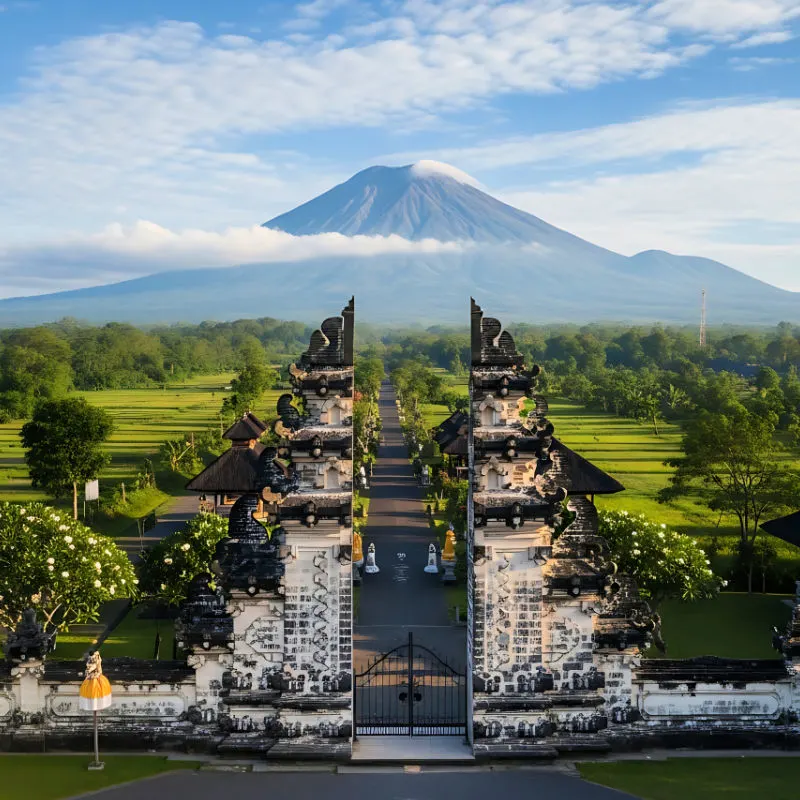
The trekking routes on Mount Agung are particularly poorly marked, and at the higher elevations, climatic conditions can visibly change in a matter of seconds. This is why it is of the utmost importance that tourists work with a local guide who knows the routes and knows how to read the conditions of the peak.
As for what to expect on the pilgrimage, tourists can talk to their guide about which route to take. There are two main routes; the first is the Pura Besakih Route, which is the longer of the two routes, taking 12 hours.
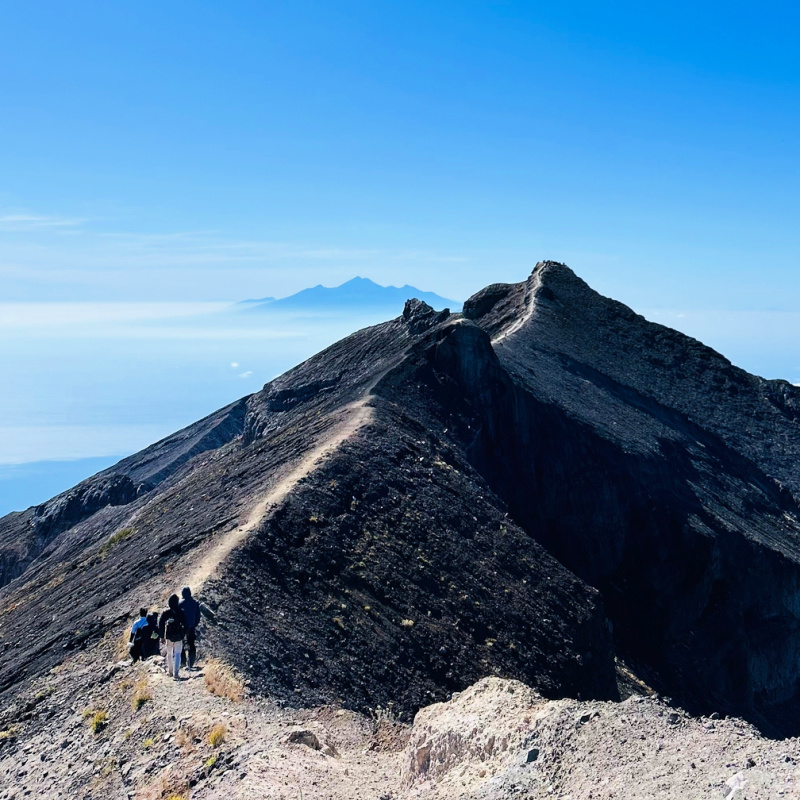
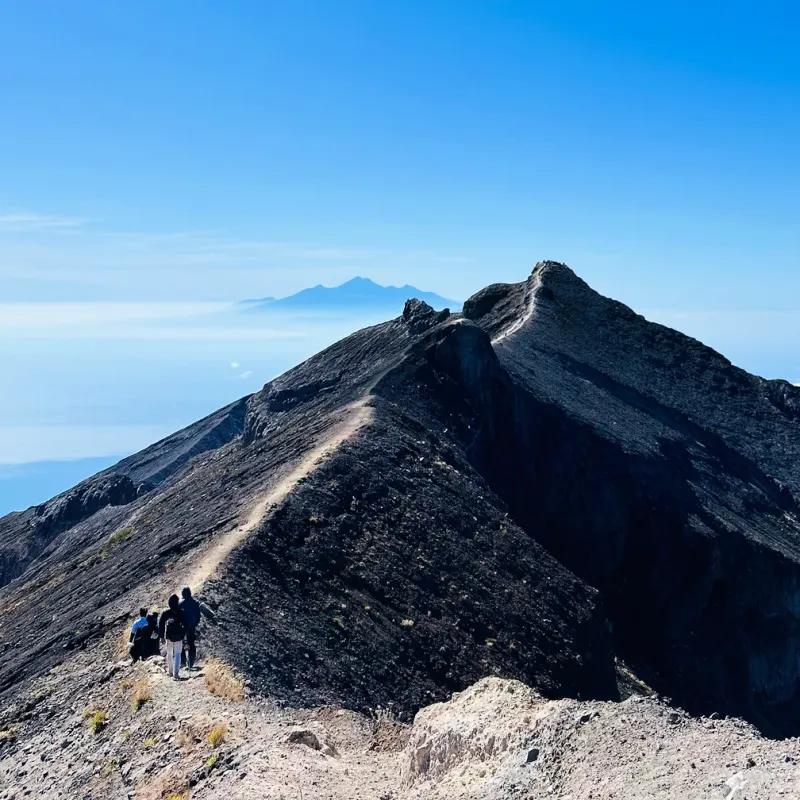
It is more physically demanding and takes hikers to the true summit. The second route is the more popular as it is both shorter and less physically intense; this is the Pura Pasar Agung Route.
Guides can also organise for hikers to make prayers and offerings at the temples at the beginning of the hikes if tourists want to deepen their experience of these routes as pilgrimages. Trekkers should check in with the guides for a detailed kit list; this is a serious trek that requires the correct equipment and supplies.
Whichever route pilgrims take, the route to the summit can be divided into three sections. The first third of the route is not too strenuous at all, and dirt paths lead through pine forests and woodland. The second part of the route is the longest section.
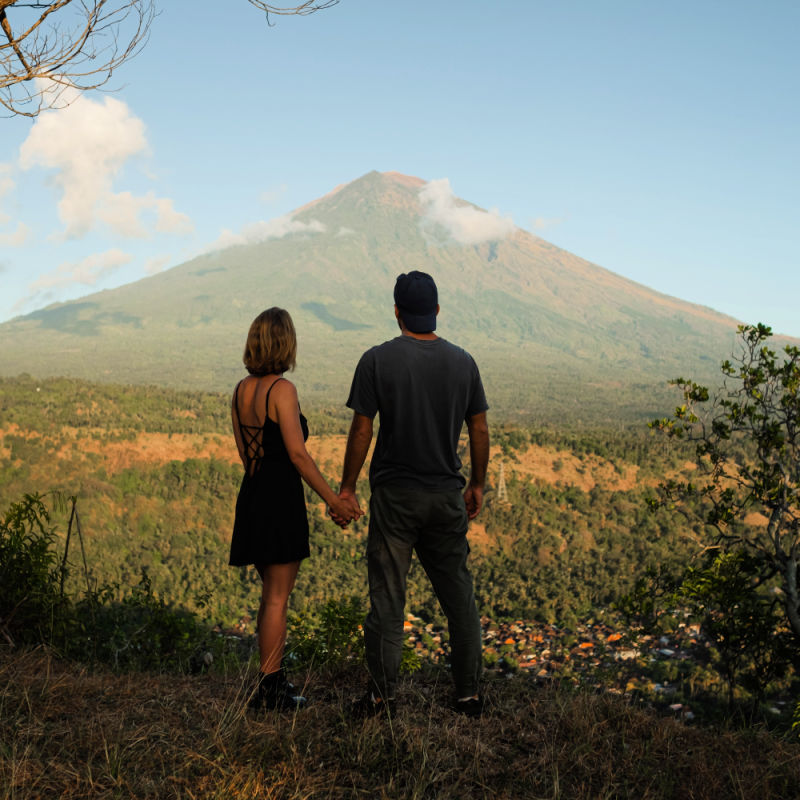
Once hikers are clear of the trees, the route becomes winding and rocky. The final part of the trek is the most strenuous and dangerous. Most end up completing the final push scrambling on all fours, but before pilgrims know it, they’ve reached the summit of Bali’s most sacred peak, and what an honor it is to behold!
Most end up completing the final push scrambling on all fours, but before pilgrims know it they’ve reached the summit of Bali’s most sacred peak and what an honor it is to behold!
For the latest Bali News & Debate Join our Facebook Community
Plan Your Bali Holiday:
Book The Best English Speaking Drivers For Airport Transfers & Tours
Discover more from The Bali Sun
Subscribe to get the latest posts sent to your email.