
We get it, Bali’s beaches are amongst some of the best in the world.
We get it too that Ubud is the most incredible cultural capital tourists could ask for, but at The Bali Sun, we are taking a moment to appreciate the real underappreciated regions of Bali.
We love the beach, don’t get us wrong. We love a rice paddy…of course we do. But you know what we also love? We love a forest, we love a lake, we love volcanic peaks and we even love cool, dare we say cold air. The central highlands of Bali are some of the most culturally rich, naturally abundant and totally underrated travel destinations in all of Indonesia.
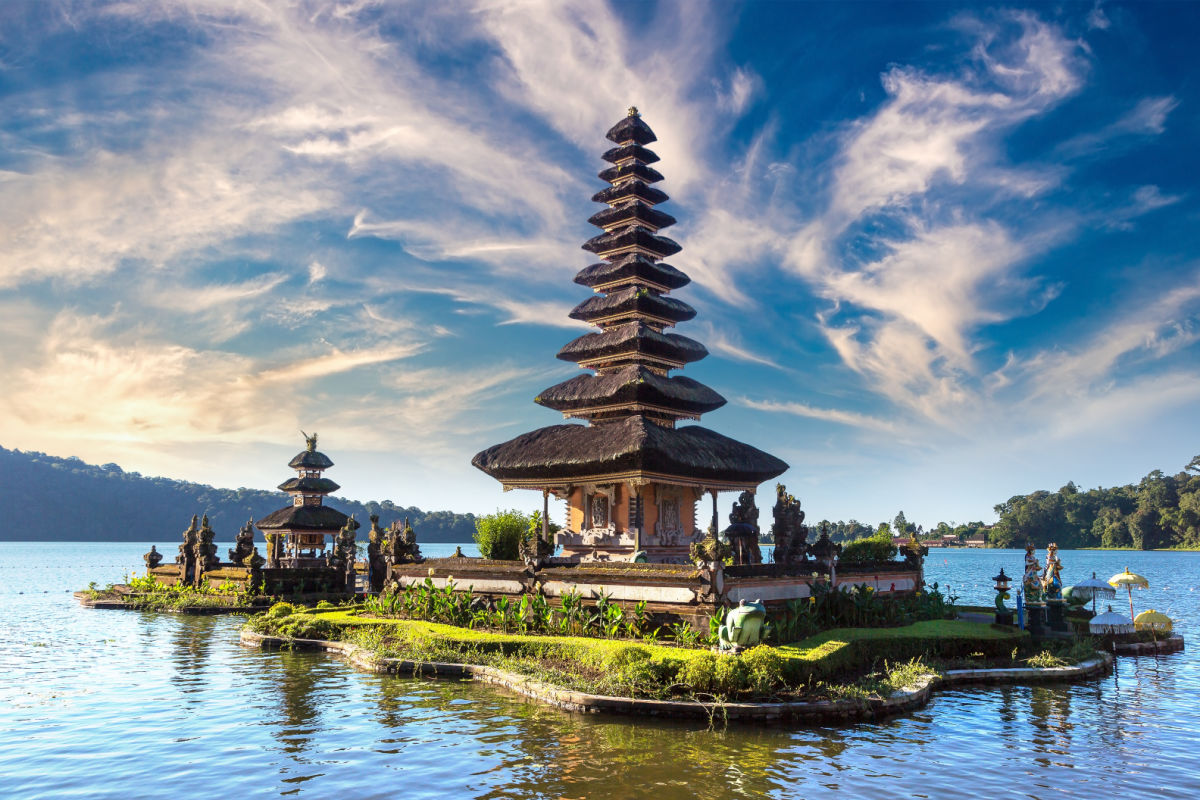
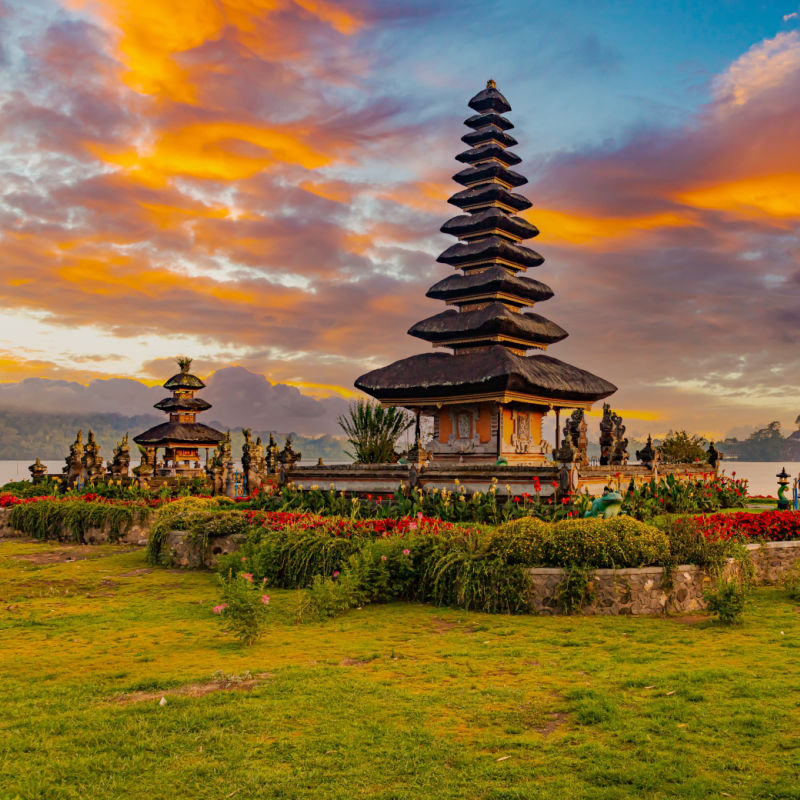
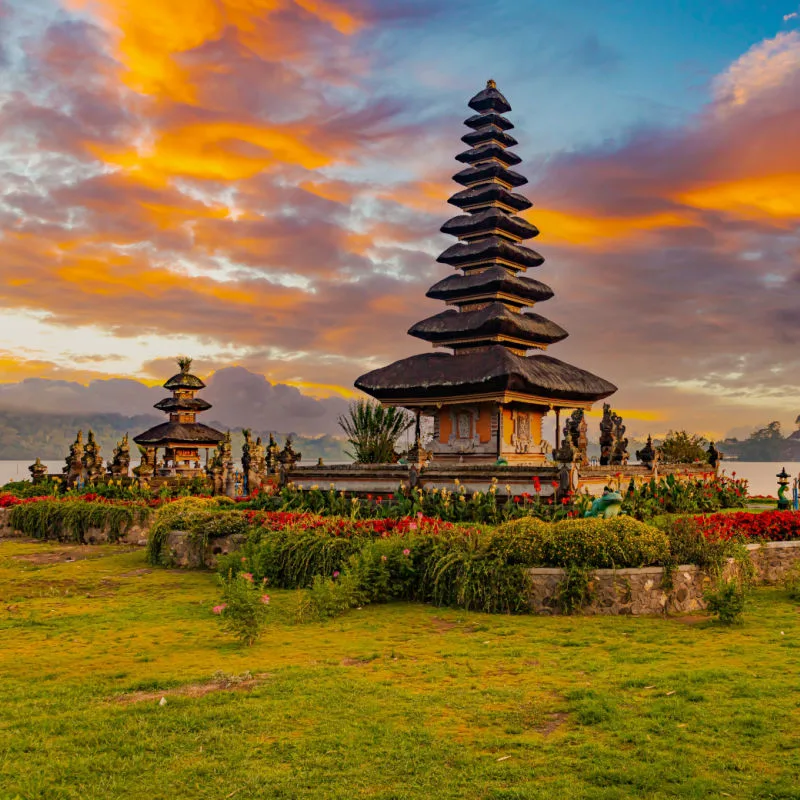
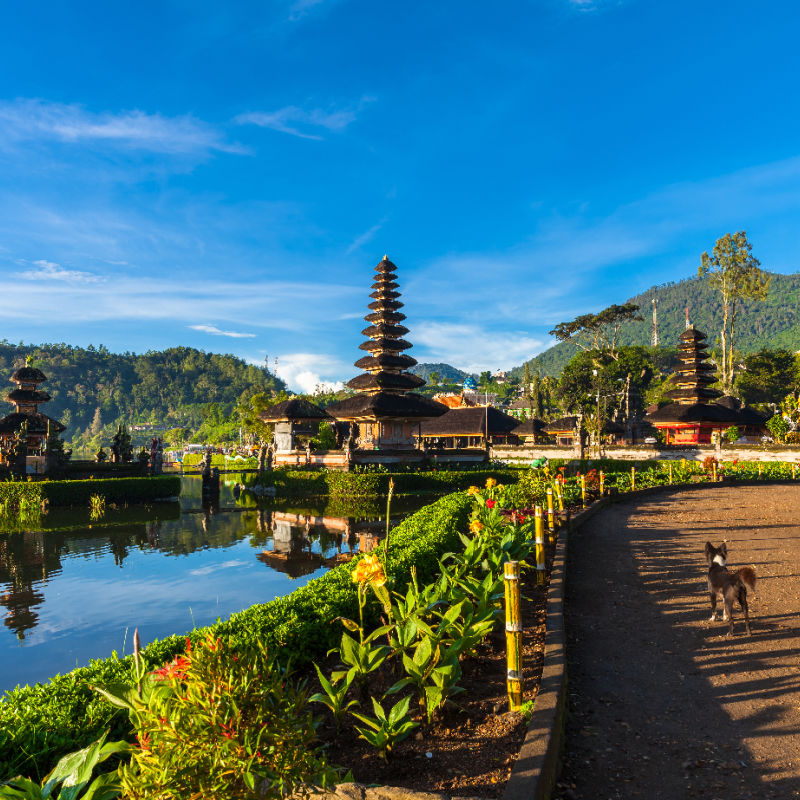
Bedugul is best known as being home to Ulun Danu Beratan Temple, which is the temple that looks like it’s floating on the lake. Kintamani is best known as being the gateway to Mount Batur and the home of Bali’s best coffee roasters.
While we would love to say to tourists planning vacations in Bali to book a few days in each of these emerging travel hotspots, we appreciate that time and budget may be a limiting factor. So, for those curious as to which area of the central highlands is best for their upcoming vacation, we’ve got all the information you need in one place. Let’s go to the highlands!
The Lakeside Charm of Bedugul
Bedugul serves as the agricultural lungs of Bali, a verdant plateau where the air smells of wet earth and ripening strawberries. The region is centered around Lake Beratan and is famously home to Pura Ulun Danu Beratan, the “floating” temple that graces the 50,000 rupiah banknote. Travelers experience a sense of tranquility here that is hard to find elsewhere on the island. The area is a tapestry of botanical gardens, alpine-style markets, and quiet winding roads that lead to the “Twin Lakes” of Buyan and Tamblingan.
In 2026, Bedugul remains remarkably affordable for those who venture away from the high-end golf resorts. Budget-friendly accommodation is plentiful, with guesthouses and “homestays” near Candikuning offering clean, comfortable rooms for approximately $15 to $25 per night. For a more unique stay, several glamping sites and “eco-pods” have emerged near the lake, providing stunning morning views for around $30. These options often include a simple breakfast of fruit and local coffee, which is a staple of the highland hospitality.
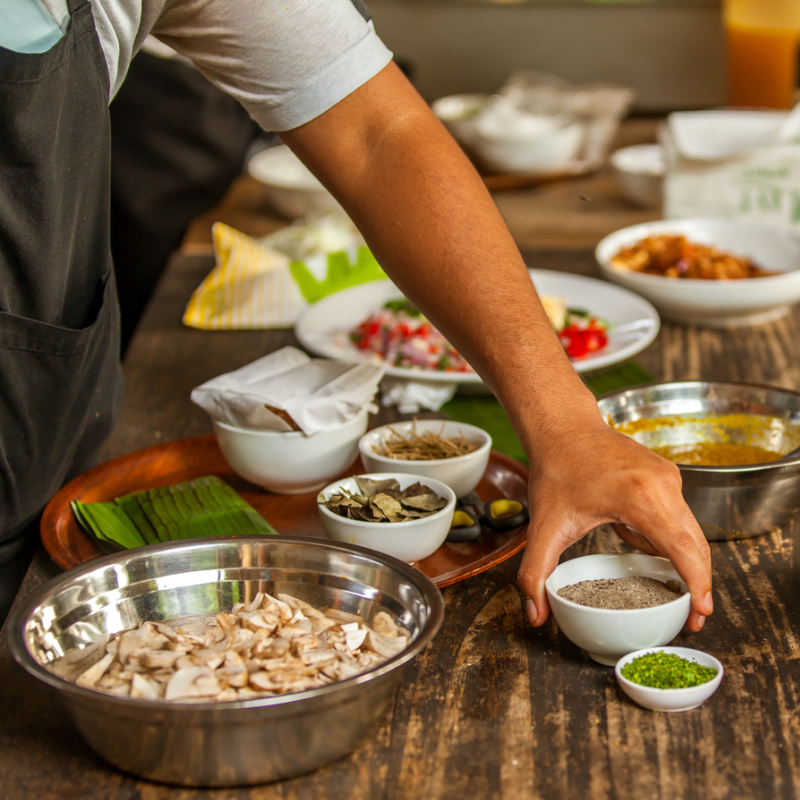
The culinary scene in Bedugul is dominated by local “warungs” and the famous Candi Kuning Market. A hearty meal of “Ayam Betutu” (slow-cooked spiced chicken) or fresh lake fish typically costs between $3 and $6. Because of the cooler climate, the region is Bali’s primary producer of strawberries; visitors often spend a few dollars at roadside stalls for a basket of fresh berries, which serve as a perfect healthy snack. Souvenir shopping at the local markets is a highlight, where intricate wood carvings and hand-knitted sweaters—necessary for the mountain chill—can be purchased for $5 to $15, provided one engages in the local custom of friendly haggling.
The Volcanic Majesty of Kintamani
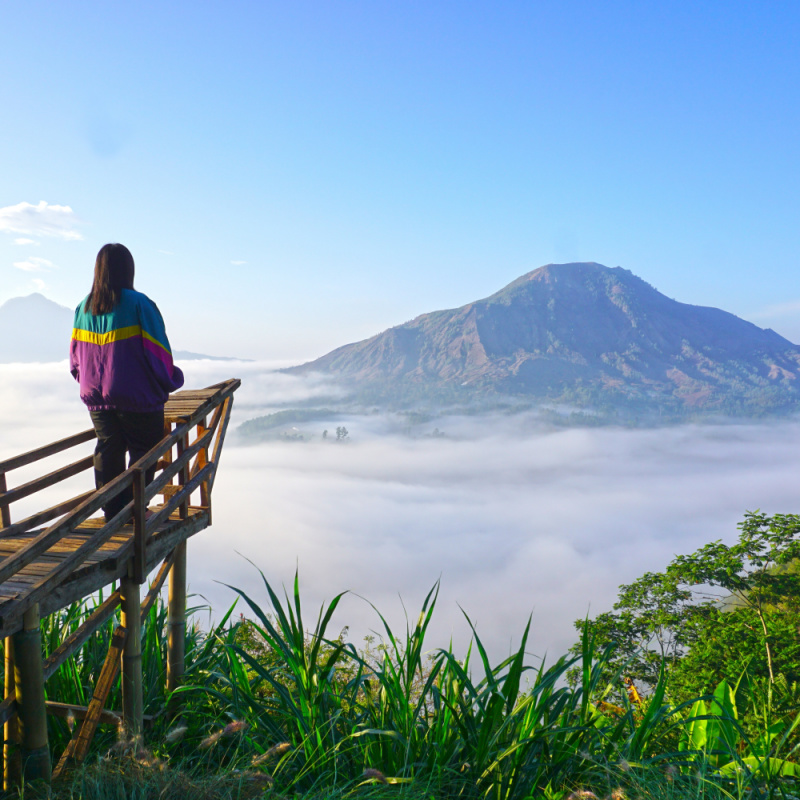
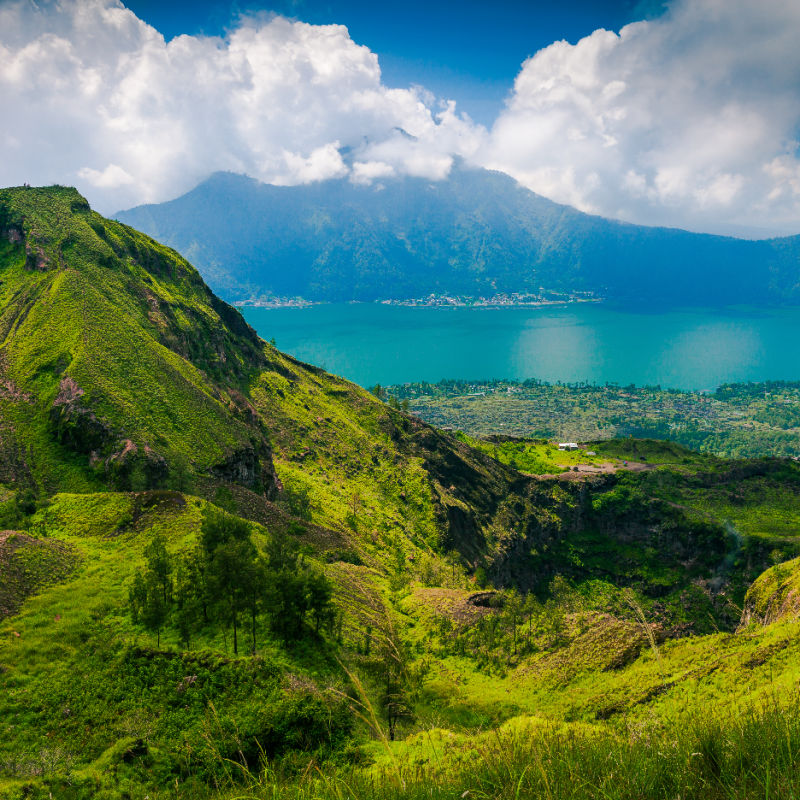
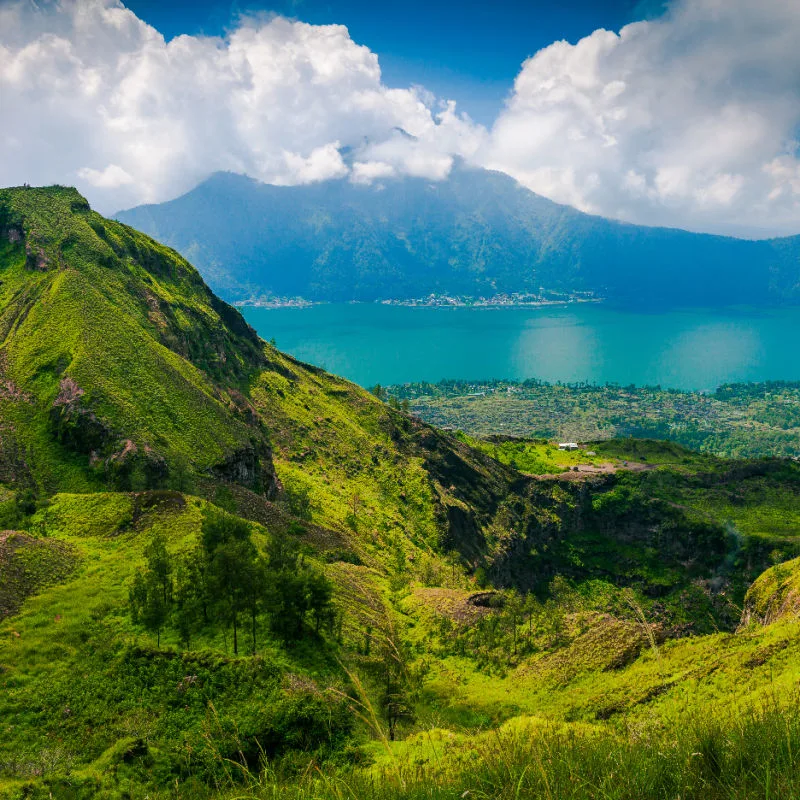
While Bedugul is soft and green, Kintamani is raw and dramatic. Perched on the rim of a massive caldera, this region offers one of the most spectacular vistas in Southeast Asia: the active volcano of Mount Batur and the vast, crescent-shaped Lake Batur below. For travelers, Kintamani is often synonymous with the sunrise trek, a rite of passage that involves a pre-dawn climb to the summit to watch the sun emerge from behind the distant peaks of Mount Rinjani on Lombok.
The accommodation landscape in Kintamani has seen a surge in “cabin-style” stays and boutique villas that prioritize the view. Despite the premium scenery, affordable options still exist. In the village of Penelokan or down by the lakeside in Toya Bungane, travelers find guesthouses ranging from $18 to $35 per night. Many of these establishments are family-run and provide the essential gear—and often the guides—needed for the volcano trek.
Dining in Kintamani offers a unique experience, particularly at the many “viewpoint cafes” that line the caldera rim. While some buffet-style restaurants catering to large tour groups can be overpriced, smaller cafes serve local Balinese coffee and “Nasi Campur” for roughly $4 to $8. A specialty of the region is the “Mujaer Nyat-Nyat,” a spiced tilapia dish sourced directly from the lake below. For those seeking relaxation after a long trek, the Batur Natural Hot Springs offer a therapeutic soak for an entry fee of approximately $12, providing a perfect vantage point of the volcano from the warmth of the mineral pools.
Comparing Costs and Attractions
Navigating the highlands requires a bit more logistical planning than the urban south. In 2026, the most practical way to travel between attractions in both Bedugul and Kintamani is by hiring a private driver for the day, which typically costs between $35 and $50 for an eight-hour trip. This cost is often shared among a group or couple, making it a viable budget option. While ride-hailing apps like Grab and Gojek are prevalent in the south, they are less reliable in the mountains, so pre-arranged transport is highly recommended.
The entry fees for major attractions in both regions are modest but should be accounted for in the daily budget. As of early 2026, the following rates apply for foreign visitors:
Pura Ulun Danu Beratan (Bedugul): $5.00 (75,000 IDR)
Bali Botanic Garden (Bedugul): $2.00 (30,000 IDR)
Kintamani Area Entry (Caldera Viewpoint): $3.50 (50,000 IDR)
Mount Batur Trekking (Guided): $25.00 – $45.00 (variable based on group size and inclusions)
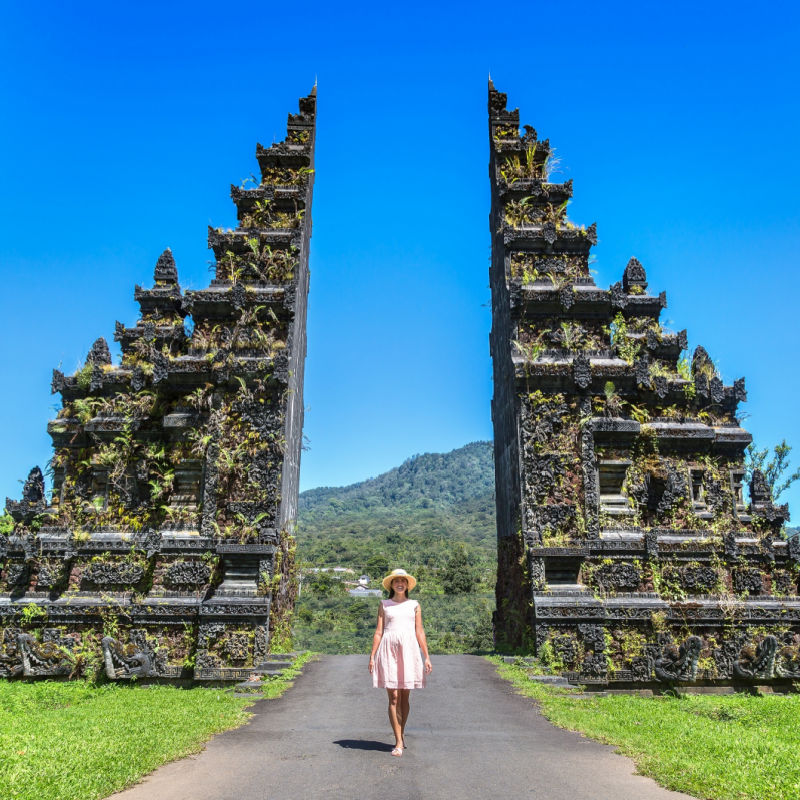
Handara Gate (Photo Opportunity): $2.00 (30,000 IDR)
For travelers interested in culture, the Kehen Temple in nearby Bangli or the Pura Ulun Danu Batur are essential stops. These sites often require a small donation of $1 to $2 and the rental of a sarong, which is usually provided for a nominal fee at the entrance.
Essential Basics for First-Time Visitors
For those embarking on their first Indonesian journey, the highlands require a slight shift in preparation. The most significant surprise for many is the drop in temperature once the sun sets. While the rest of Bali is a land of shorts and flip-flops, Bedugul and Kintamani demand a light jacket, long trousers, and sturdy walking shoes.This is particularly true for those participating in the Mount Batur sunrise trek, where temperatures at the summit can dip toward 10°C before dawn.
Money management in the highlands is also slightly different than in the coastal hubs. While major hotels and larger cafes in Penelokan or Candikuning accept credit cards, smaller warungs, market stalls, and entry gates are strictly cash-only (Indonesian Rupiah). It is wise to withdraw sufficient cash in Ubud or the south before heading up the mountain, as ATMs in the highlands can be infrequent or occasionally out of service.
Communication is generally easy, as most people working in the tourism sector speak functional English. However, learning a few phrases of Bahasa Indonesia, such as “Terima kasih” (Thank you) or “Berapa harganya?” (How much is this?), goes a long way in building rapport with local vendors. Travelers also find that the pace of life in the highlands is slower; it is a place to put away the phone and embrace the “jam karet” or “rubber time” philosophy of Indonesia, where things happen when they are meant to happen.
Crafting the Two-Week Itinerary
To truly appreciate the contrast of the highlands, a two-week vacation should ideally allocate three to four days to these mountain regions. A popular route involves spending the first week in the cultural heart of Ubud, then moving north to Bedugul for two nights to enjoy the lakes and gardens. From Bedugul, a scenic cross-country drive takes visitors to Kintamani for a further two nights, allowing for a sunrise trek and a visit to the hot springs before descending toward the north coast or returning to the south.
This “Highland Loop” allows travelers to see a side of Bali that remains deeply connected to its roots. In Bedugul, the connection is to the earth and the bounty of the harvest; in Kintamani, it is to the fire of the volcano and the ancient spirits of the mountains. Whether it is the mist rolling over the pagodas of Lake Beratan or the first golden light hitting the blackened lava fields of Batur, the highlands provide a spiritual and physical cooling that is essential for a balanced Balinese adventure.
When totaling the costs for a stay in the highlands, a couple can comfortably experience either Bedugul or Kintamani on a daily budget of approximately $60 to $80, excluding major guided treks. This includes a private driver for local hops, three meals at local warungs, a comfortable guesthouse, and entry fees to two major attractions. Souvenirs like Balinese coffee, strawberry jam, or hand-woven textiles add a small additional cost but are well worth the investment as they support the local mountain communities.
Bali in 2026 continues to be a destination that rewards the curious and the adventurous. By trading the beach for the mountains, even for just a few days, travelers gain a comprehensive understanding of the island’s geography and soul. The choice between Bedugul and Kintamani doesn’t have to be a difficult one; both offer a slice of paradise that is cool, calm, and undeniably incredible, proving that the best part of a tropical vacation might just be the moment you finally need to put on a sweater.
For the latest Bali News & Debate Join our Facebook Community
Plan Your Bali Holiday:
Book The Best English Speaking Drivers For Airport Transfers & Tours
Discover more from The Bali Sun
Subscribe to get the latest posts sent to your email.
Exp
Tuesday 23rd of June 2026
"The following rates apply for foreign visitors: Pura Ulun Danu Beratan (Bedugul): $5.00 (75,000 IDR)"
They have just increased entrance fee for Pura Ulun Danu Beratan to 100,000 IDR. This was "justified" because they have added "dinosaur park" and other "attractions".
So people who just want to view the old floating temple has to pay for all the garish plastic statutes they have put up. And they keep talking about respect for culture etc. while at the same time basically ruin what was a small temple site.
LINK